
The field of oncology has undergone a remarkable transformation with the emergence of targeted therapies. Unlike conventional cancer treatments that broadly attack rapidly dividing cells, targeted therapies are designed to interact with specific molecular alterations that drive tumor growth and progression. This personalized approach has improved treatment outcomes, reduced unnecessary toxicity, and opened new possibilities for precision medicine. At the center of this advancement are FFPE tissue samples for targeted therapy research in oncology, which provide researchers and clinicians with valuable biological material for molecular analysis, biomarker identification, and treatment selection.
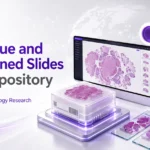
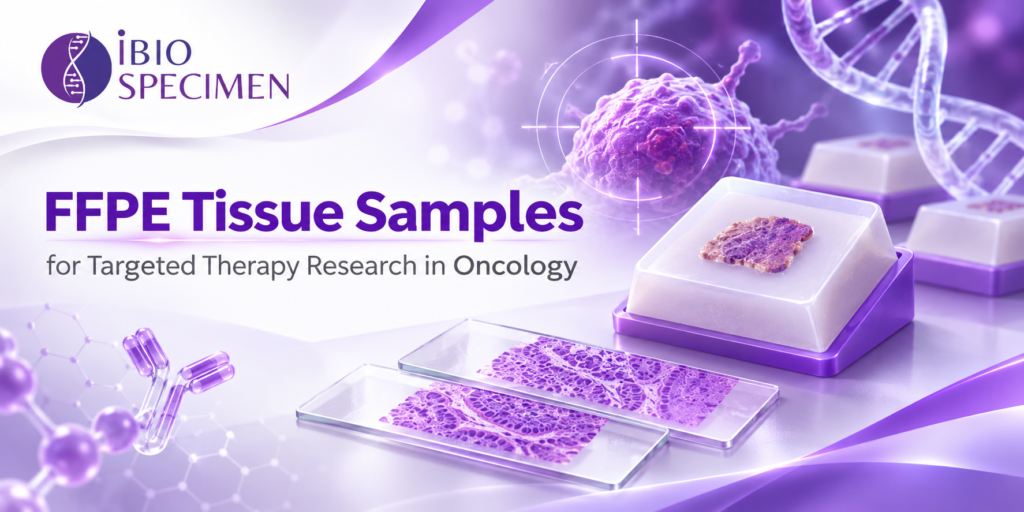
Formalin-fixed paraffin-embedded (FFPE) tissue samples are routinely collected during diagnostic and surgical procedures and stored in pathology archives worldwide. These samples preserve tissue architecture while retaining critical molecular information, making them an invaluable resource for oncology research and clinical decision-making. Today, FFPE samples are widely used in biomarker testing, genomic profiling, companion diagnostic development, and cancer drug discovery.
This article explores the growing significance of FFPE tissue samples in targeted therapy research and highlights their contributions to precision oncology, molecular diagnostics, predictive biomarker testing, drug development, and translational cancer research.
FFPE Tissue Samples for Targeted Therapy Research in Oncology
FFPE tissue samples for targeted therapy research in oncology have become one of the most important resources for understanding the molecular basis of cancer. Targeted therapies depend on identifying specific genetic alterations, protein expressions, or signaling pathways that contribute to tumor growth. FFPE samples provide the tissue material required to detect these abnormalities and evaluate their clinical relevance.
Because FFPE specimens are routinely collected during patient care, they represent a vast repository of cancer tissue from various tumor types and disease stages. Researchers can analyze these archived samples to identify actionable biomarkers and investigate molecular mechanisms associated with treatment response.
The widespread availability of FFPE tissue also allows scientists to conduct large-scale studies involving diverse patient populations. These studies contribute to the discovery of novel therapeutic targets and support the development of more effective treatment strategies.
Role of FFPE Tissue Samples in Targeted Therapy Research
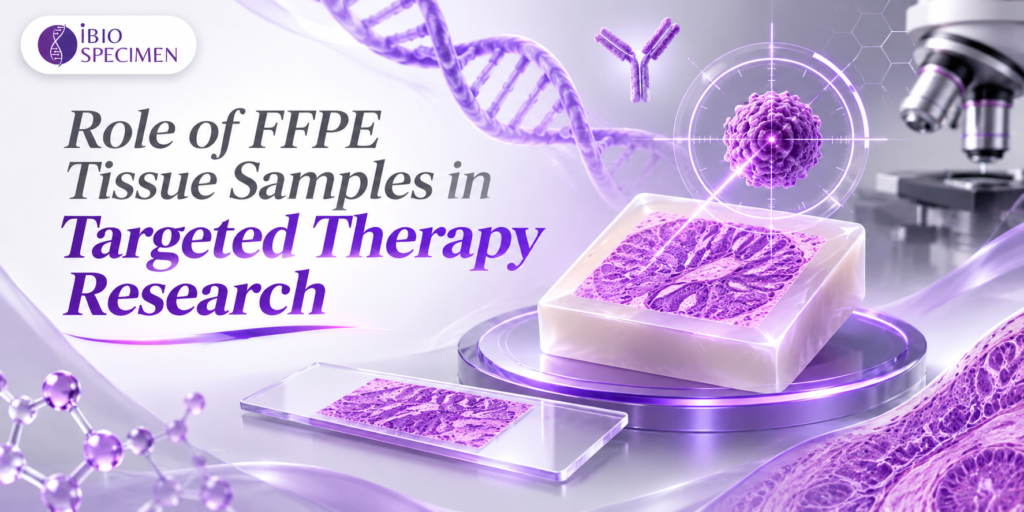
The role of FFPE tissue samples in targeted therapy research extends across nearly every stage of oncology drug development and clinical implementation. These samples provide a reliable source of tumor material for histological examination, molecular testing, and biomarker validation.
One of the most significant advantages of FFPE tissue is its long-term stability. Pathology laboratories can preserve specimens for many years, enabling researchers to perform retrospective analyses and correlate molecular findings with patient outcomes.
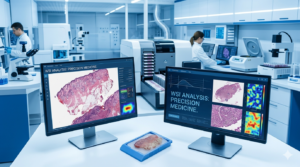
FFPE samples also support the integration of pathology and molecular biology. Researchers can evaluate tumor morphology while simultaneously analyzing DNA, RNA, and protein expression. This comprehensive approach helps identify molecular drivers of cancer and informs the development of targeted therapies.
As precision medicine continues to evolve, FFPE tissue remains a critical component of oncology research, enabling scientists to translate molecular discoveries into clinical applications.
FFPE Tissue Samples for Targeted Cancer Therapy
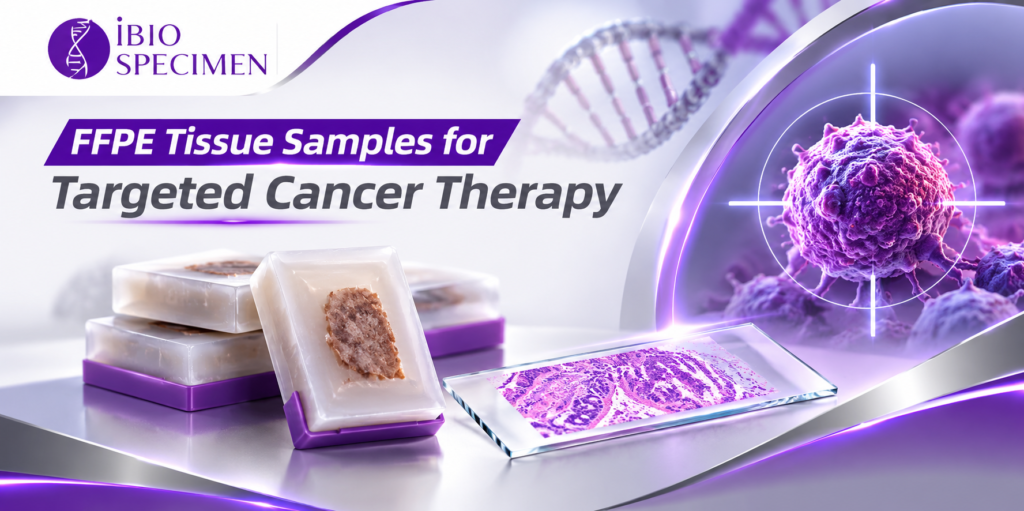
FFPE tissue samples for targeted cancer therapy are essential for identifying the molecular alterations that determine eligibility for targeted treatments. Many modern therapies are designed to inhibit specific proteins or signaling pathways that contribute to cancer progression.
Examples include EGFR inhibitors for non-small cell lung cancer, HER2-targeted therapies for breast cancer, ALK inhibitors for lung cancer, and BRAF inhibitors for melanoma. The successful use of these treatments depends on accurate identification of the relevant molecular target.
FFPE samples provide the material needed for molecular testing, allowing clinicians to determine whether a patient’s tumor contains a targetable alteration. This enables a more personalized treatment approach and increases the likelihood of therapeutic success.
In addition, FFPE-based testing can help identify resistance mechanisms that emerge during treatment, supporting the development of alternative therapeutic strategies
FFPE Tissue Samples for Oncology Biomarker Analysis
FFPE tissue samples for oncology biomarker analysis play a vital role in identifying markers associated with disease progression, treatment response, and prognosis. Biomarkers are measurable biological characteristics that provide valuable information about a tumor’s behavior.
Using FFPE tissue, researchers can evaluate a wide range of biomarkers, including gene mutations, protein expression patterns, gene amplifications, and epigenetic changes. These biomarkers help clinicians make informed decisions regarding therapy selection and patient management.
Immunohistochemistry is one of the most commonly used techniques for biomarker analysis in FFPE samples. It enables visualization of protein expression within the tissue context, providing insights into tumor biology and therapeutic relevance.
As oncology continues to move toward personalized medicine, biomarker analysis using FFPE tissue remains an essential component of cancer diagnosis and treatment planning.
FFPE Tissue Samples for Molecular Oncology Diagnostics
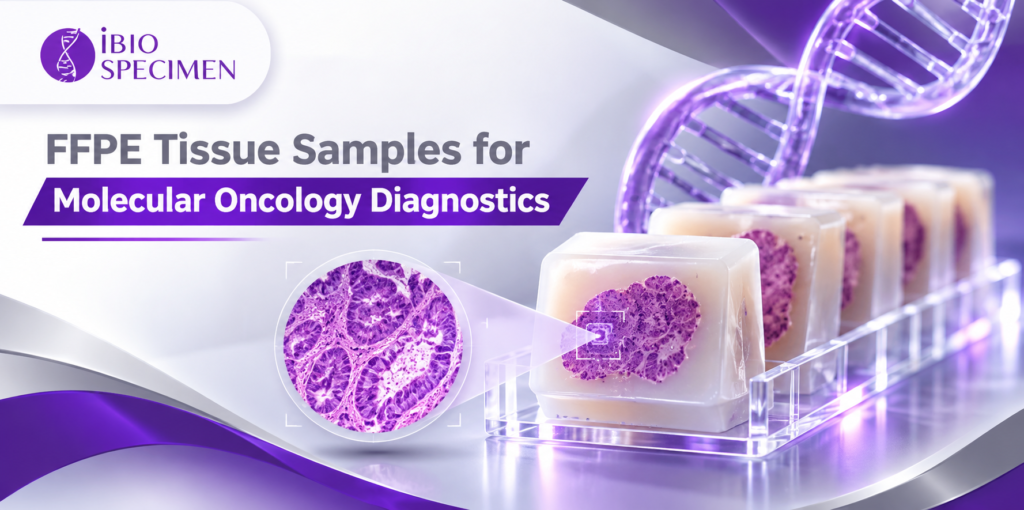
FFPE tissue samples for molecular oncology diagnostics are fundamental to modern cancer care. Molecular diagnostics involve analyzing genetic and molecular alterations that influence tumor behavior and treatment response.
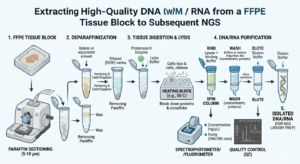
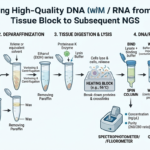
Advancements in laboratory technologies have significantly improved the ability to extract and analyze DNA and RNA from FFPE tissue. Techniques such as polymerase chain reaction (PCR), fluorescence in situ hybridization (FISH), and next-generation sequencing (NGS) are routinely performed on FFPE specimens.
These diagnostic approaches help identify actionable mutations and molecular signatures that guide treatment decisions. For example, molecular testing can reveal EGFR mutations, KRAS mutations, HER2 amplifications, and other alterations relevant to targeted therapy.
The integration of FFPE-based molecular diagnostics into clinical practice has enhanced the accuracy of cancer classification and improved patient outcomes through more precise treatment selection.
FFPE Tissue Samples for Precision Oncology Research
FFPE tissue samples for precision oncology research provide researchers with the tools needed to explore the molecular complexity of cancer. Precision oncology seeks to tailor treatment strategies based on the unique genetic and molecular characteristics of each patient’s tumor.
FFPE tissue archives contain specimens from thousands of patients across multiple cancer types, making them valuable resources for large-scale research initiatives. Scientists can use these samples to identify novel biomarkers, investigate treatment resistance, and uncover new therapeutic targets.
Research findings derived from FFPE specimens contribute directly to the advancement of precision medicine. By understanding the molecular drivers of cancer, researchers can develop therapies that are more effective and less toxic than traditional treatment approaches.
The continued use of FFPE tissue in precision oncology research is expected to accelerate the development of innovative therapeutic strategies and improve patient care.
FFPE Tissue Samples for Tumor Mutation Profiling
FFPE tissue samples for tumor mutation profiling enable comprehensive analysis of genetic alterations within cancer cells. Tumor mutation profiling is critical for identifying mutations that may serve as therapeutic targets or predictive biomarkers.
Modern sequencing technologies allow researchers to examine multiple genes simultaneously using FFPE-derived DNA. This approach can detect point mutations, insertions, deletions, copy number variations, and gene fusions.
Mutation profiling helps clinicians identify actionable alterations that guide targeted therapy selection. It also provides insights into tumor evolution, heterogeneity, and resistance mechanisms.
Because FFPE tissue is routinely available in clinical settings, it serves as an accessible and practical source of material for comprehensive mutation profiling.
FFPE Tissue Samples for Genomic Analysis in Targeted Therapy
FFPE tissue samples for genomic analysis in targeted therapy are increasingly important as genomic medicine becomes a central component of oncology care. Genomic analysis provides a detailed understanding of the genetic changes that contribute to cancer development and progression.
Using FFPE specimens, researchers can investigate genomic alterations associated with therapeutic response and resistance. Next-generation sequencing platforms have made it possible to analyze hundreds of cancer-related genes from a single FFPE sample.
Genomic insights obtained from FFPE tissue support the identification of patient populations most likely to benefit from specific targeted therapies. They also contribute to the discovery of novel therapeutic targets and resistance pathways.
As genomic technologies continue to advance, FFPE-based genomic analysis will remain a key driver of innovation in targeted oncology research.
FFPE Tissue Samples for Personalized Oncology Treatment
FFPE tissue samples for personalized oncology treatment support individualized cancer care by providing molecular information that guides treatment decisions. Personalized treatment aims to match patients with therapies that are most likely to be effective based on the characteristics of their tumors.
By analyzing FFPE tissue, clinicians can identify biomarkers associated with treatment sensitivity or resistance. This information helps optimize therapy selection and reduces exposure to ineffective treatments.
Personalized oncology treatment also improves clinical outcomes by enabling earlier intervention and more precise therapeutic strategies. FFPE-based testing has become an integral part of this process, supporting evidence-based decision-making in oncology practice.
As additional biomarkers are discovered, the role of FFPE tissue in personalized treatment planning will continue to expand.
FFPE Tissue Samples for Predictive Biomarker Testing
FFPE tissue samples for predictive biomarker testing are essential for determining whether patients are likely to respond to specific targeted therapies. Predictive biomarkers provide information about treatment efficacy and help guide therapeutic decisions.
Examples of predictive biomarkers include HER2 amplification, EGFR mutations, ALK rearrangements, and BRAF mutations. Testing for these biomarkers is commonly performed using FFPE tissue specimens.
Predictive biomarker testing enables clinicians to select therapies with the greatest likelihood of success while avoiding unnecessary side effects and healthcare costs. It also supports patient stratification in clinical trials and facilitates the development of precision medicine approaches.
The reliability and accessibility of FFPE samples make them ideal for predictive biomarker testing in both clinical and research settings.
FFPE Tissue Samples for Companion Diagnostic Development
FFPE tissue samples for companion diagnostic development play a crucial role in bringing targeted therapies to market. Companion diagnostics are tests designed to identify patients who are most likely to benefit from a particular treatment.
Pharmaceutical companies and diagnostic developers use FFPE specimens to validate biomarkers and establish the clinical performance of companion diagnostic assays. These tests often become essential components of targeted therapy approval and clinical implementation.
FFPE tissue allows researchers to evaluate biomarker expression across diverse patient populations and correlate findings with treatment outcomes. This process supports regulatory approval and ensures that therapies are used in the most appropriate patient groups.
Companion diagnostics developed using FFPE samples continue to improve the safety and effectiveness of targeted oncology treatments.
FFPE Tissue Samples for Cancer Drug Target Validation
FFPE tissue samples for cancer drug target validation are critical for confirming the biological relevance of potential therapeutic targets. Before a new targeted therapy can enter clinical development, researchers must demonstrate that the target plays a meaningful role in cancer progression.
FFPE tissue specimens provide access to real-world tumor samples that can be analyzed for target expression and activity. Researchers can assess whether a proposed target is consistently present in specific cancer types and whether its expression correlates with disease outcomes.
Target validation studies using FFPE tissue help prioritize the most promising drug development candidates. This improves research efficiency and increases the likelihood of clinical success.
By supporting rigorous target evaluation, FFPE samples contribute significantly to the advancement of oncology drug discovery.
FFPE Tissue Samples for Retrospective Targeted Therapy Studies
FFPE tissue samples for retrospective targeted therapy studies provide researchers with a powerful tool for examining treatment outcomes and biomarker associations. Retrospective studies leverage archived tissue specimens linked to clinical data, allowing investigators to explore long-term trends and outcomes.
These studies can identify biomarkers associated with therapeutic response, resistance, progression-free survival, and overall survival. Because FFPE samples are routinely archived, researchers can access large patient cohorts and generate meaningful clinical insights.
Retrospective analyses have played an important role in validating many biomarkers currently used in oncology practice. They continue to support evidence generation and hypothesis development for future prospective studies.
The availability of extensive FFPE archives makes retrospective research both cost-effective and scientifically valuable.
FFPE Tissue Samples for Translational Oncology Research
FFPE tissue samples for translational oncology research help bridge the gap between laboratory discoveries and clinical applications. Translational research seeks to transform scientific findings into practical solutions that improve patient care.
FFPE tissue specimens are particularly valuable because they combine molecular information with clinical outcome data. Researchers can use these samples to validate biomarkers, evaluate therapeutic targets, and study mechanisms of treatment response.
Insights gained from translational research contribute directly to the development of new diagnostic tests, targeted therapies, and personalized treatment strategies. FFPE-based studies have been instrumental in advancing many of the precision medicine approaches used in oncology today.
As cancer research continues to evolve, translational studies involving FFPE tissue will remain essential for bringing innovative therapies to patients.
FFPE Tissue Samples for Targeted Therapy Drug Development
FFPE tissue samples for targeted therapy drug development support every stage of the drug discovery and development process. From target identification and validation to clinical trial biomarker analysis, FFPE specimens provide critical insights into tumor biology and therapeutic response.
Researchers use FFPE tissue to assess target expression, evaluate pharmacodynamic effects, and monitor treatment-induced molecular changes. These analyses help determine whether investigational therapies are achieving their intended biological effects.
In clinical trials, FFPE samples are frequently used for patient selection and biomarker studies. The resulting data support regulatory submissions and guide the development of companion diagnostic tests.
By enabling more informed decision-making throughout the development process, FFPE tissue contributes to the successful advancement of targeted oncology therapies.
Challenges and Future Perspectives of FFPE Tissue Samples in Targeted Therapy Research
Despite their many advantages, FFPE tissue samples present certain challenges. Formalin fixation can lead to nucleic acid fragmentation and chemical modifications that may affect molecular analyses. Variability in tissue processing and storage conditions can also influence sample quality.
However, advances in extraction technologies, sequencing platforms, and bioinformatics tools have significantly improved the reliability of FFPE-based analyses. Researchers can now obtain high-quality molecular data from FFPE specimens that were once considered difficult to analyze.
Future developments are expected to further enhance the value of FFPE tissue in oncology research. Emerging technologies such as spatial transcriptomics, digital pathology, artificial intelligence, and multi-omics integration will provide deeper insights into tumor biology and treatment response.
These innovations will strengthen the role of FFPE tissue as a cornerstone of targeted therapy research and precision oncology.
Conclusion
FFPE tissue samples for targeted therapy research in oncology have become indispensable resources for advancing precision medicine. Their ability to preserve both tissue architecture and molecular information makes them valuable for biomarker discovery, molecular diagnostics, genomic profiling, and therapeutic development.
The role of FFPE tissue samples in targeted therapy research spans the entire continuum of oncology innovation, from tumor mutation profiling and predictive biomarker testing to companion diagnostic development and targeted therapy drug discovery. Their widespread availability and compatibility with modern analytical technologies have transformed the way cancer is studied and treated.
As the field of precision oncology continues to expand, FFPE tissue samples will remain at the forefront of research and clinical practice. By enabling more accurate diagnosis, personalized treatment selection, and innovative drug development, these specimens are helping shape the future of cancer care and improving outcomes for patients worldwide.