
Matched Sets
Custom Matched Specimen Sets for Your Research
Matched biospecimen sets biological specimens are an essential resource for evolving precision medicine, liquid biopsy, drug discovery, and more. ibiospecimen can prepare samples from human biological samples, including tissue, tissue and biofluids (blood products, etc.), biofluid products, and commercial cells (such as bone marrow aspirate and whole blood).
Access to millions of chemical samples, patients and data from a global network of healthcare organizations, including hospitals, clinical research centres, biobanks, laboratories, blood labs and medical records for matched biospecimen sets .
What biofluids do you need for your research? Let us know how we can help.
Finding the Right Matched Biospecimen Sets for Your Research
ibiospecimen Marketplace is a fast, compliant, revolutionary one-stop access to millions of matched biospecimen sets and patients from a diverse network of providers

Matched Tissue Sets
Combine your FFPE, instant-frozen, or fresh tumor samples with adjacent tissue (NAT) or metastatic samples from a donor.

Matched Tissues, Biofluids & Cells
Combine your FFPE, instant frozen or fresh tissue with peripheral blood or other biological fluids from a donor.
Matched Biofluids Sets
All blood samples were mixed with bone marrow or other biological fluids from the same donor.
Disease Indications
Limitless Possibilities Where You Can Get Specific Matched Biospecimen Sets
- Colorectal Disease
- Celiac Disease
- Inflammatory Bowel Disease (IBD)
- Irritable-Bowel Syndrome (IBS)
- Crohn’s Disease
- Ulcerative Colitis (UC)
- Polyps
- Pre-colonoscopy healthy controls
Hematologic malignancies
- B-cell Lymphoma
- Chronic Lymphocytic Leukemia CLL
- Leukemia
- Acute Myeloid Leukemia AML
- Lymphoma
- Mixed lineage leukemia MLL
- Non-Hodgkin’s Lymphoma
- Multiple Myeloma
- Myelodysplastic Syndrome MDS
Solid tumors
- Brain / Glioblastoma
- Breast Cancer
- Colorectal / Rectal Cancer
- Esophageal Cancer
- Head / Neck Cancer
- Bladder Cancer
- Kidney Cancer
- Prostate Cancer
- Lung Cancer
- Melanoma
- Liver Cancer
- Non-Small Cell Lung Cancer NSCLC
- Uterine Cancer
- Ovarian Cancer
- Pancreatic Cancer
- Small Cell Lung Cancer SCLC
- Alzheimer’s Disease
- Dementia
- Postpartum Depression
- Epilepsy and Seizures
- Major Depressive Disorder
- ADHD
- Multiple Sclerosis
- ADD
- Parkinson’s Disease
- Alcoholic Hepatitis
- Hepatitis B
- Alpha-1 Antitrypsin deficiency
- Bile duct cancer
- NAFLD
- Biliary atresia
- Cirrhosis
- Hemochromatosis
- Hepatitis C
- Alagille syndrome
- Liver transplant remnants
- Allergies (Seasonal)
- Ankylosing Spondylosis
- Thrombocytopenia
- Autoimmune Hepatitis
- Autoimmune Liver Disease
- Rheumatoid Arthritis (RA)
- Goodpastures
- Asthma
- Graves’ Disease
- Hashimoto’s Thyroiditis
- Allergic Rhinitis
- Plaque Psoriasis
- Systemic Lupus Erythematosus (SLE)
- Scleroderma
- Sjogrens Syndrome
- Systemic Sclerosis
- Chlamydia
- COVID-19 (SARS-CoV-2)
- Ebstein Barr Syndrome (EBV/Mononucleosis)
- Zeka
- Gonorrhea
- Hepatitis A
- Hepatitis B
- Hepatitis C
- Herpes
- HIV / AIDS
- Chagas
- HTLV
- Influenza
- Invasive fungal infections
- Lyme Disease
- Syphilis
- Toxoplasmosis
- Polycystic ovarian syndrome
- Cervical cancer
- Cysts
- Endometriosis
- Menopause
- Uterine Fibroids
- Ovarian cancer
- Reproductive health
- Ovarian Disease
- Preeclampsia
- Polyps
- Abnormal Menstrual Cycle
- Pregnancy
- COVID-19 co-morbidities
- Swabs, serum, plasma, blood and urine from individuals testing positive for COVID-19 and recovering patients
- Biospecimens of COVID-19 (SARS-CoV-2) variants
- Chronic Sinusitis
- COPD (Chronic Obstructive Pulmonary Disease)
- Pulmonary Edema
- Cystic Fibrosis (CF)
- Asthma
- Influenza
- Chronic Bronchitis
- Lung Cancer
- Atherosclerotic Cardiovascular Disease (ASCVD)
- Atherosclerotic Heart Disease
- Atrial Fibrillation/Flutter (A-fib)
- Cardiomegaly
- Angina
- Cardiomyopathy
- Cardiovascular Disease
- Atherosclerosis
- Carotid Artery Disease
- Carotid Disease
- Congestive Heart Failure (CHF)
- Vascular tissue from aortic surgery
- Coronary Artery Disease
- Deep Vein Thrombosis (DVT)
- Dilated Cardiomyopathy
- Heart Failure
- Hemophilia
- Hypertension
- Hypolipidemia
- Idiopathic Dilated Cardiomyopathy
- Ischemia/Infarction
- Ischemic Cardiomyopathy
- Ischemic Heart Disease
- Non-ischemic Cardiomyopathy
Limitless Possibilities Where You Can Get Specific
If you need it, chances are, we can get it. Our large and growing network of partners connect their electronic medical record data directly to the iSpecimen Marketplace, allowing us to source Ibiospecimens for research with highly specific characteristics for a broad range of disease indications. Below are some examples.

Fresh Blood In Four Hours

Pre-Colonoscopy Samples: Custom Collections
A New, Efficient Way of Finding Matched Biospecimen Sets
Faster Matched Sample Discovery
Precision-Based Sample Matching
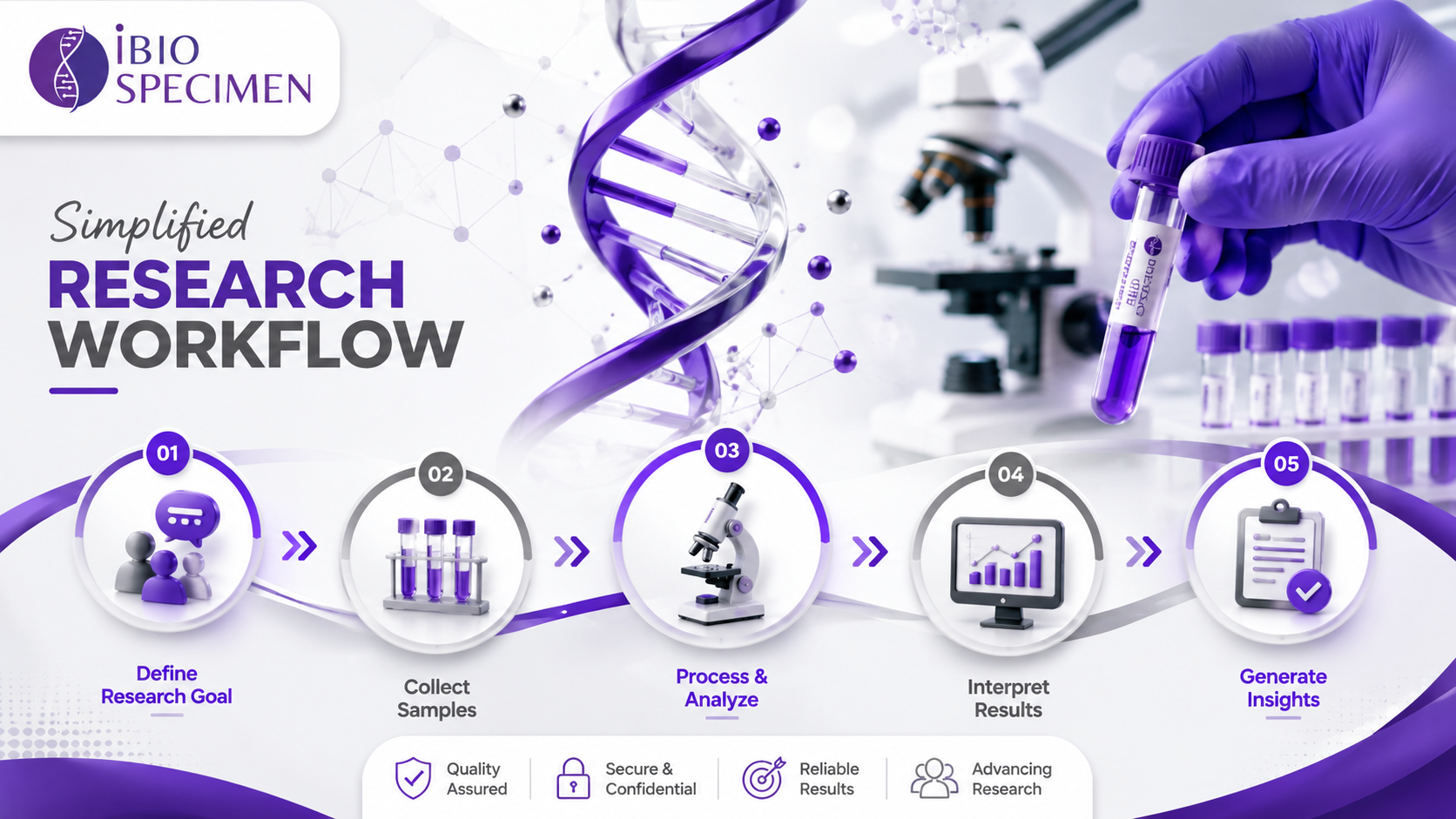
Simplified Research Workflow
General FAQ's on Matched Set
Matched biospecimen samples are two or more biological sample types collected from the same donor or patient. For example, a matched sample set may include an FFPE tissue block with matched whole blood, plasma, serum, PBMCs, buffy coat, frozen tissue, urine, or clinical data from the same individual. These samples help researchers compare tissue-level biomarkers with circulating biomarkers in blood or other biofluids.
We can support matched biospecimen sample requirements such as FFPE tissue with matched whole blood, FFPE tissue with matched plasma, FFPE tissue with matched serum, FFPE tissue with matched PBMCs, FFPE tissue with matched buffy coat, FFPE tissue with matched DNA/RNA, and tissue samples matched with pathology reports, IHC results, molecular reports, and clinical annotations.
Yes. We can support research projects requiring FFPE tissue blocks matched with whole blood samples from the same donor or patient. These matched samples are valuable for oncology research, biomarker discovery, liquid biopsy studies, companion diagnostic development, immune profiling, and translational research.
Yes. FFPE tissue with matched plasma samples may be available depending on disease indication, sample availability, and project criteria. This sample combination is commonly used for ctDNA studies, circulating biomarker analysis, liquid biopsy research, cancer monitoring, and comparison of tumor tissue biomarkers with plasma-based biomarkers.
Yes. We can support projects requiring FFPE tissue matched with serum samples. This combination is useful for protein biomarker research, immunoassay development, serology studies, inflammatory marker analysis, oncology research, and diagnostic assay validation.
Yes. FFPE tissue with matched PBMC samples may be sourced for research projects where immune profiling is required. PBMCs are useful for immunology studies, cancer immunotherapy research, immune checkpoint research, vaccine studies, flow cytometry, cytokine profiling, and cell-based assays.
Yes. FFPE tissue with matched buffy coat samples may be available for research use. Buffy coat is commonly used for germline DNA extraction, genomic studies, inherited variant comparison, tumor-normal analysis, and molecular assay validation.
Matched FFPE and blood samples allow researchers to compare tumor tissue biomarkers with circulating biomarkers found in blood, plasma, serum, or immune cells. This is especially important for cancer biomarker discovery, liquid biopsy validation, tumor-normal comparison, minimal residual disease research, companion diagnostics, and treatment response studies.
Matched FFPE + blood includes a whole blood sample from the same donor or patient, which may be useful for DNA extraction, immune cell analysis, hematology-related research, and downstream processing. Matched FFPE + plasma includes the liquid component of blood and is commonly used for circulating biomarkers, ctDNA, cfDNA, proteins, metabolites, and liquid biopsy research.
Matched FFPE + plasma is collected using anticoagulant tubes and contains clotting factors, making it useful for cfDNA, ctDNA, proteomics, and circulating biomarker studies. Matched FFPE + serum is collected after clotting and is commonly used for antibody testing, protein biomarker analysis, immunoassays, serology, and diagnostic development.
Yes. Matched FFPE tissue with plasma, whole blood, or buffy coat is highly valuable for liquid biopsy research. Researchers can compare tumor mutations detected in FFPE tissue with ctDNA or cfDNA detected in plasma. This helps support liquid biopsy assay development, concordance studies, companion diagnostics, and cancer monitoring research.
Yes. Matched tumor-normal biospecimen sets may be available depending on project requirements. These may include tumor FFPE tissue matched with normal adjacent tissue, whole blood, buffy coat, or germline DNA from the same patient. Tumor-normal matched samples are important for distinguishing somatic mutations from germline variants.
Yes. FFPE tumor tissue matched with germline DNA from whole blood or buffy coat may be available for research projects. This is useful for NGS validation, tumor-normal sequencing, inherited cancer research, variant interpretation, and oncology biomarker development.
Yes. Depending on availability, matched FFPE samples may be provided with existing molecular data or can be screened for specific biomarkers through NGS, PCR, FISH, or IHC. Matched FFPE tissue with NGS data is especially valuable for targeted oncology research and pharma biomarker studies.
Yes. FFPE tissue samples may be matched with available IHC reports or can be tested for specific IHC biomarkers depending on project requirements. This is useful for biomarker-positive cohort building, companion diagnostic research, immuno-oncology studies, and assay validation.
Yes. Matched FFPE tissue samples can often be supplied with de-identified pathology reports or pathology summary data, depending on availability and compliance permissions. Pathology information may include diagnosis, tumor type, grade, stage, tissue site, tumor percentage, necrosis percentage, and histological subtype.
Yes. Matched biospecimens may be supplied with available clinical data, depending on donor consent, ethics approval, and site documentation. Clinical data may include age, gender, diagnosis, disease stage, treatment history, medication history, recurrence status, survival data, response to therapy, and relevant laboratory results where available.
Yes. Matched biospecimen samples are provided in a de-identified or coded format to protect donor privacy. Personal identifiers are removed while maintaining the ability to link multiple sample types from the same donor through a unique sample code or donor ID.
Yes. Matched biospecimen samples are sourced through ethical collection processes with appropriate informed consent, IRB approval, ethics committee approval, waiver of consent where applicable, or institutional authorization. Documentation can be provided based on project requirements and availability.
Yes. We can support projects requiring IRB-approved or ethics-approved matched biospecimens. Documentation may include IRB approval, ethics approval, informed consent confirmation, waiver of consent, material transfer documentation, and research-use-only declarations depending on the project and source site.
Yes. Matched biospecimens are highly useful for companion diagnostic development because they allow researchers to compare tissue biomarkers, blood biomarkers, molecular findings, protein expression, and clinical outcomes from the same patient. This supports assay development, validation, and patient stratification research.
Yes. Matched biospecimen sets are ideal for biomarker discovery because they allow multi-sample comparison from the same donor. Researchers can study tissue expression, circulating tumor DNA, immune markers, serum proteins, plasma metabolites, and molecular alterations in a more connected and clinically relevant way.
Yes. Matched FFPE tissue, blood, plasma, serum, PBMCs, DNA, RNA, and clinical data can support multiomics research, including genomics, transcriptomics, proteomics, metabolomics, immunomics, and digital pathology. Matched samples help researchers connect molecular findings across different biological layers.
Yes. Matched FFPE tissue with blood, plasma, serum, or PBMCs is useful for immuno-oncology research. These samples can support immune checkpoint studies, tumor microenvironment analysis, T-cell profiling, cytokine analysis, PD-L1 studies, immune response monitoring, and therapy response research.
Yes. Matched biospecimens for non-small cell lung cancer research may include FFPE tumor blocks, plasma, serum, whole blood, PBMCs, buffy coat, pathology reports, IHC data, and molecular results. These samples are useful for EGFR, ALK, ROS1, BRAF, MET, RET, NTRK, KRAS, HER2, PD-L1, TMB, and ctDNA research.
Yes. Matched biospecimens for breast cancer research may include FFPE tumor tissue, plasma, serum, whole blood, buffy coat, PBMCs, HER2 results, ER/PR status, pathology reports, and molecular data. These samples are valuable for hormone receptor studies, HER2 research, liquid biopsy, biomarker validation, and therapy response studies.
Yes. Matched colorectal cancer biospecimen sets may include FFPE tumor blocks, plasma, serum, whole blood, buffy coat, pathology reports, MSI/MMR status, KRAS/NRAS/BRAF results, and clinical annotations. These samples support biomarker discovery, companion diagnostics, liquid biopsy validation, and targeted therapy research.
Yes. Matched pancreatic cancer biospecimens may include FFPE tissue, plasma, serum, whole blood, buffy coat, pathology reports, CA19-9 data where available, KRAS status, BRCA status, and other molecular annotations. These samples are valuable for PDAC research, liquid biopsy studies, biomarker discovery, and drug development.
Yes. Matched prostate cancer biospecimens may include FFPE tissue, plasma, serum, whole blood, buffy coat, PSA information, Gleason score, stage, pathology reports, and molecular data where available. These samples support biomarker development, therapy response studies, genomic research, and diagnostic validation.
Yes. Matched biospecimens for rare cancers may be available through custom sourcing or prospective collection. Rare cancer projects often require longer timelines, flexible inclusion criteria, and close coordination with clinical sites or pathology networks.
Yes. Matched biospecimen sets for autoimmune disease research may include blood, plasma, serum, PBMCs, tissue samples, clinical data, medication history, and disease activity information depending on the indication and availability.
Yes. Matched biospecimens for infectious disease research may include whole blood, plasma, serum, PBMCs, swabs, tissue samples, and clinical data depending on disease type, biosafety requirements, donor consent, and regulatory permissions.
Yes. Depending on availability, matched FFPE tissue and frozen tissue samples from the same donor may be provided. This is useful when researchers need formalin-fixed tissue for histology or IHC and frozen tissue for DNA, RNA, protein, or molecular analysis.
Matched FFPE tissue and fresh tissue may be available through prospective collection projects, especially for surgical resections. Fresh tissue availability depends on site coordination, surgical schedule, consent, tissue sufficiency, and processing requirements.
Yes. Matched multi-sample sets may include FFPE tissue, whole blood, plasma, serum, buffy coat, PBMCs, DNA, RNA, and clinical data from the same donor. These comprehensive sets are valuable for translational research, biomarker discovery, and multiomics studies.
Yes. Matched pre-treatment and post-treatment biospecimens may be available for certain studies or can be collected prospectively. These samples are useful for therapy response studies, resistance mechanism research, pharmacodynamic analysis, and longitudinal biomarker monitoring.
Yes. Longitudinal matched biospecimen collection can be arranged for projects requiring multiple time points from the same patient. This may include baseline, treatment, progression, recurrence, or follow-up samples depending on study design and site access.
Available clinical data may include diagnosis, age, gender, ethnicity, tumor type, stage, grade, treatment history, therapy response, recurrence status, survival data, medication history, laboratory results, pathology findings, IHC results, molecular results, and collection dates. Data availability depends on the source and project permissions.
Yes. Treatment response data may be available for selected cases, especially oncology projects. Data may include response category, progression status, recurrence information, therapy regimen, treatment line, and follow-up information where available.
Yes. Matched FFPE samples can be combined with scanned H&E slides, IHC slides, blood biomarkers, NGS data, and clinical outcomes to support AI model development, digital pathology validation, biomarker prediction, and computational pathology research.
Yes. FFPE blocks may be matched with H&E slides, IHC slides, whole slide images, pathology reports, and clinical annotations depending on availability. These datasets are useful for digital pathology, AI model training, biomarker detection, and image-based research.
Yes. Matched biospecimens are useful for NGS assay validation, especially when comparing tumor tissue DNA/RNA with matched normal blood, plasma ctDNA, or germline DNA. These samples help validate variant calling, fusion detection, copy number changes, and tumor-normal analysis.
Yes. Matched biospecimens can support PCR, qPCR, RT-PCR, ddPCR, and molecular assay validation. Matched FFPE tissue, plasma, blood, or DNA/RNA samples may be used to validate mutation detection, gene expression, methylation, infectious disease markers, and companion diagnostic targets.
Yes. FFPE tissue blocks or slides may be matched with clinical data, molecular results, or blood-derived samples for FISH-related research. Matched samples can support studies involving ALK, ROS1, RET, NTRK, HER2, MYC, BCL2, BCL6, FGFR, and other gene rearrangements or amplifications.
Yes. FFPE tissue blocks or slides can be matched with blood, plasma, serum, pathology data, molecular data, and clinical outcomes for IHC-related research. These samples are useful for antibody validation, biomarker scoring, companion diagnostic studies, and tumor microenvironment analysis.
Available documents may include de-identified pathology reports, sample manifests, consent confirmation, IRB/ethics approval, waiver documentation, collection protocol, processing details, storage information, chain-of-custody records, material transfer documentation, and research-use-only declarations depending on project requirements.
Matched biospecimens are usually linked using a de-identified donor code or unique sample ID. This allows different sample types from the same donor to be connected for research analysis while protecting donor privacy.
Yes. Custom matched biospecimen sourcing can be arranged based on disease indication, sample type, donor demographics, treatment status, collection timing, tumor percentage, anticoagulant type, processing method, storage condition, and clinical data requirements.
You can submit your project requirements, including disease indication, sample types needed, number of cases, sample format, clinical data requirements, biomarker status, geographic preference, documentation needs, and shipping destination. Our team will review feasibility and provide availability, timeline, pricing, and next steps.
“This process previously required a lot of paperwork and time. ibiospecimen makes it so much easier and quicker.”
LeeAnn Talarico Associate Director, Takeda Oncology