
Liquid-Based Cytology (LBC) Samples
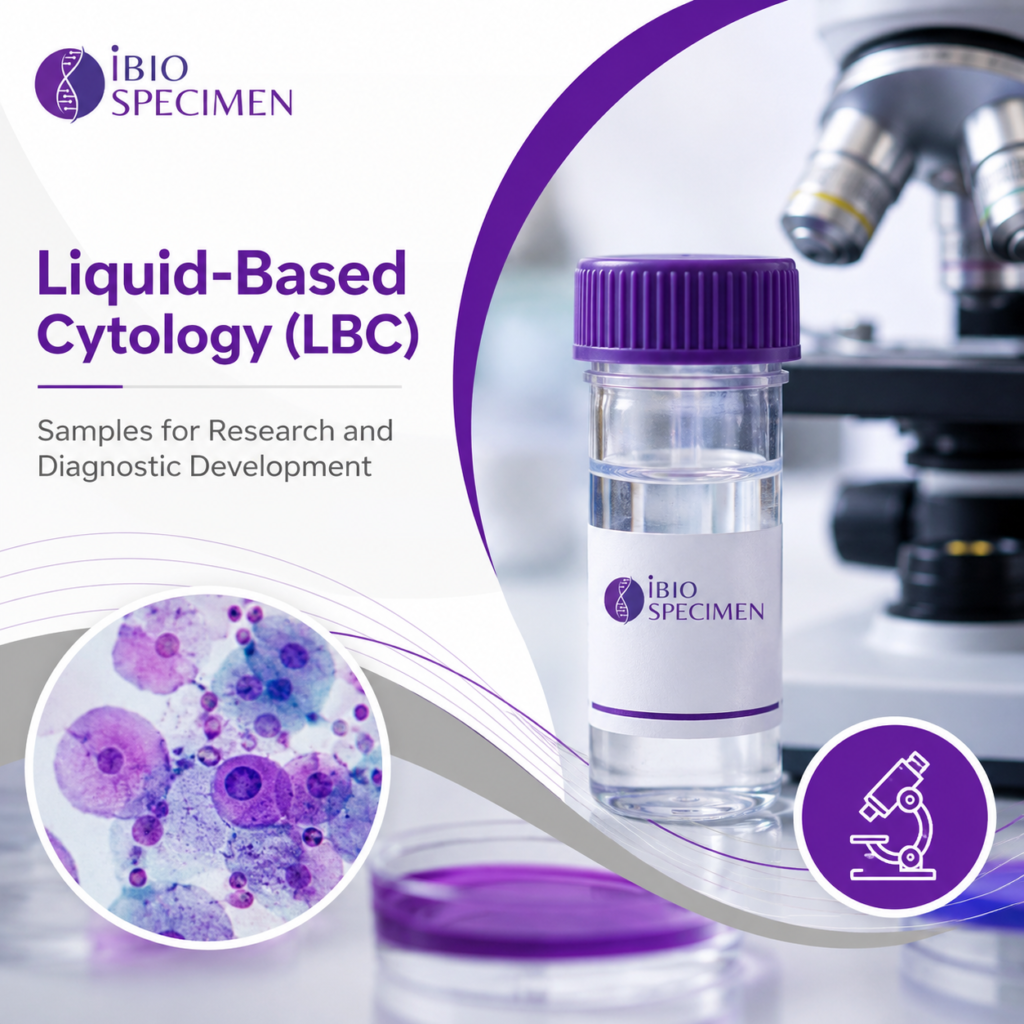
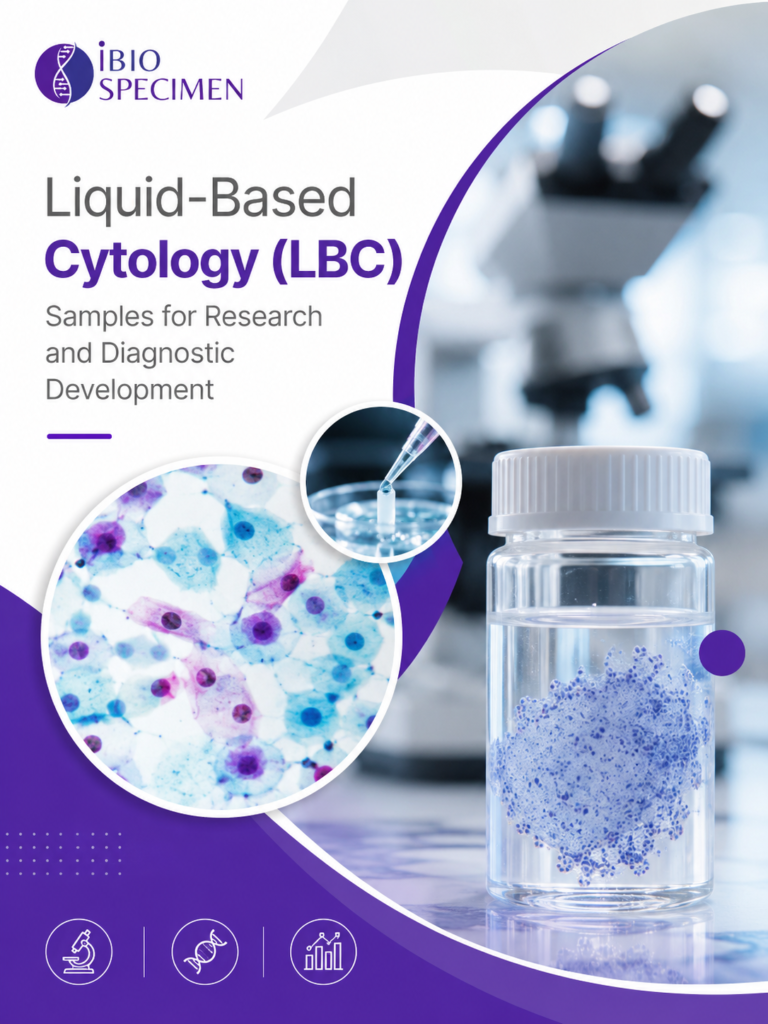
Liquid-Based Cytology (LBC) samples are widely used in clinical research, biomarker discovery, diagnostic assay development, and validation studies due to their high-quality cellular preservation and standardized collection process. LBC technology enables the collection of cervical, gynecological, and non-gynecological cytology specimens in a liquid preservative medium, reducing contamination and improving sample integrity compared to conventional smear methods. These samples are valuable for cancer research, molecular pathology, HPV testing, infectious disease studies, and the development of advanced diagnostic platforms. Researchers benefit from consistent cellular morphology, improved nucleic acid recovery, and compatibility with downstream applications such as DNA/RNA extraction, PCR, NGS, immunocytochemistry, and biomarker analysis.
At iBioSpecimen, we provide ethically sourced and regulatory-compliant Liquid-Based Cytology samples from diverse patient populations to support pharmaceutical companies, biotechnology firms, diagnostic developers, CROs, and academic research institutions worldwide.
LBC Samples for Oncology Research & Diagnostic Validation
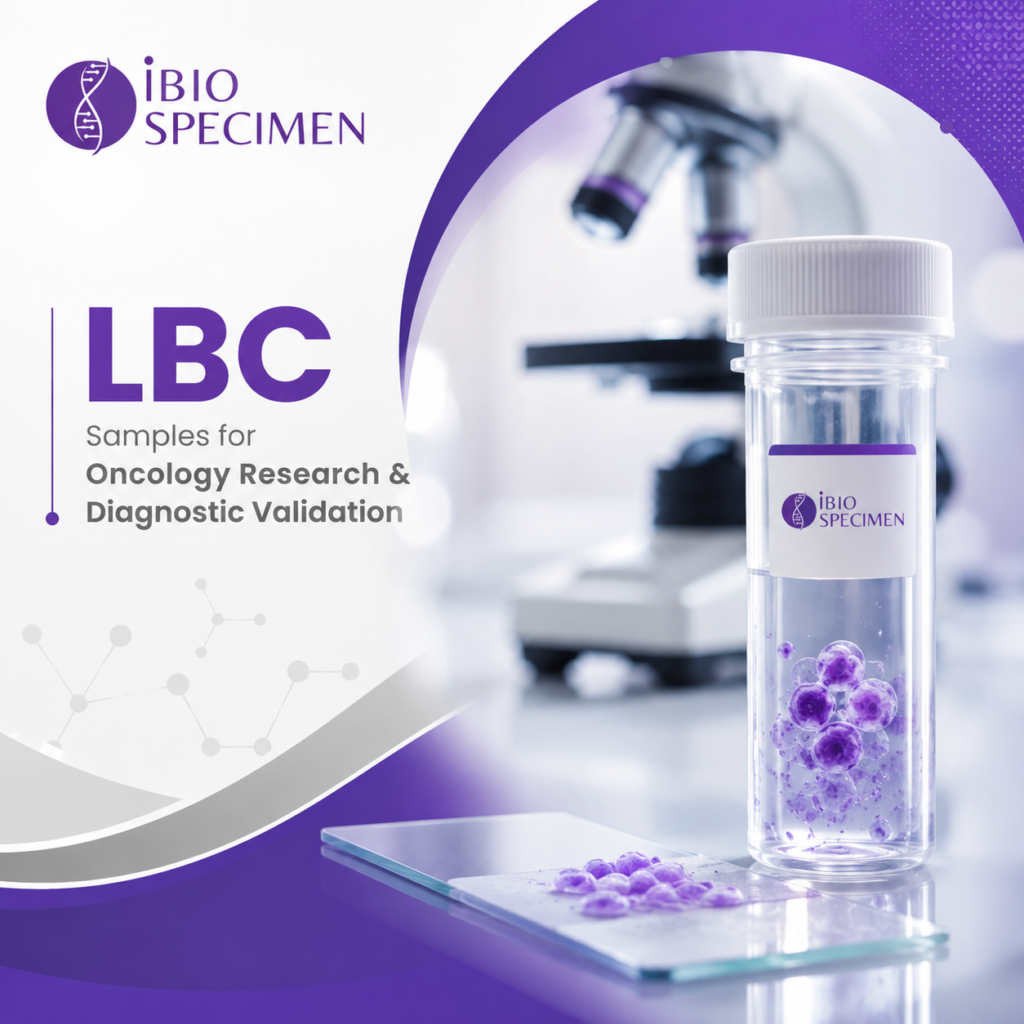
Liquid-Based Cytology (LBC) samples are widely used in oncology research, biomarker discovery, assay development, and diagnostic validation studies. These samples provide high- quality cellular material collected in preservative solutions, helping maintain cell morphology and nucleic acid integrity for downstream molecular analysis. LBC specimens are commonly utilized in cervical cancer screening, HPV testing, cytopathology research, and the development of precision oncology diagnostics. Researchers and diagnostic developers use LBC samples to evaluate biomarkers, validate companion diagnostics, support next-generation sequencing (NGS) workflows, and assess assay performance across diverse patient populations. The standardized collection and processing methods associated with LBC technology improve sample consistency and reproducibility, making them valuable for translational research and clinical validation projects. Ethically sourced and clinically annotated LBC samples can support pharmaceutical companies, biotechnology organizations, CROs, and academic institutions in advancing cancer research, early detection strategies, and innovative diagnostic solutions.
Research-Grade Liquid-Based Cytology Samples Worldwide
iBioSpecimen provides high-quality, research-grade liquid-based cytology (LBC) samples to support biomarker discovery, assay development, molecular diagnostics, cancer research, and translational medicine programs worldwide. Our collection network enables access to ethically sourced and consented cytology specimens from diverse patient populations, including cervical, respiratory, urinary, and other cytological sample types. Each sample is collected, processed, and stored using standardized protocols to help preserve cellular morphology, nucleic acid integrity, and overall specimen quality for downstream laboratory applications. Researchers, biotechnology companies, pharmaceutical organizations, diagnostic developers, CROs, and academic institutions rely on our liquid-based cytology samples for validation studies, genomic analysis, cytopathology research, and precision medicine initiatives. Available with customizable donor demographics, clinical annotations, pathology data, and matched biospecimens when available, our LBC samples are designed to meet a wide range of research requirements. iBioSpecimen is committed to providing reliable, regulatory-compliant biospecimens with comprehensive documentation, helping accelerate scientific discoveries and the development of innovative diagnostic and therapeutic solutions across global research markets.
Human Liquid-Based Cytology Specimens for Biomarker Research
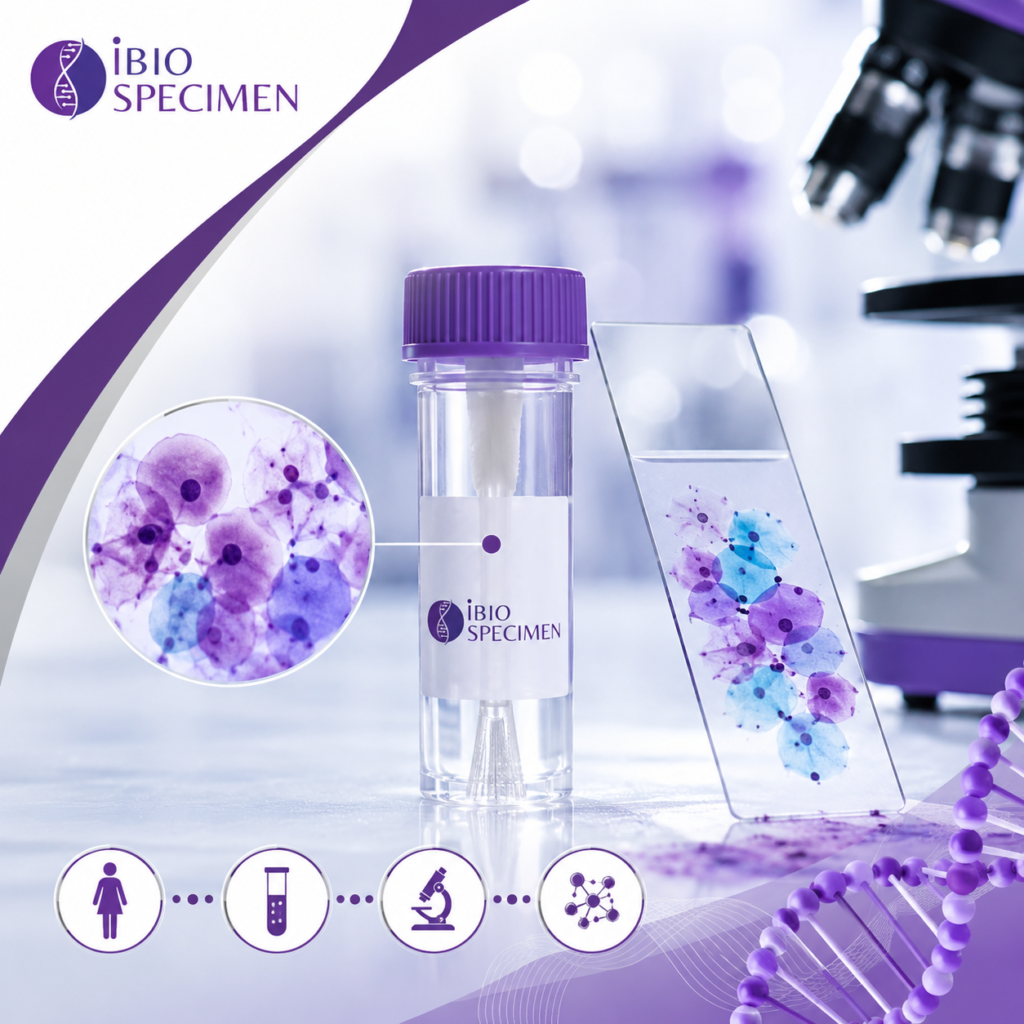
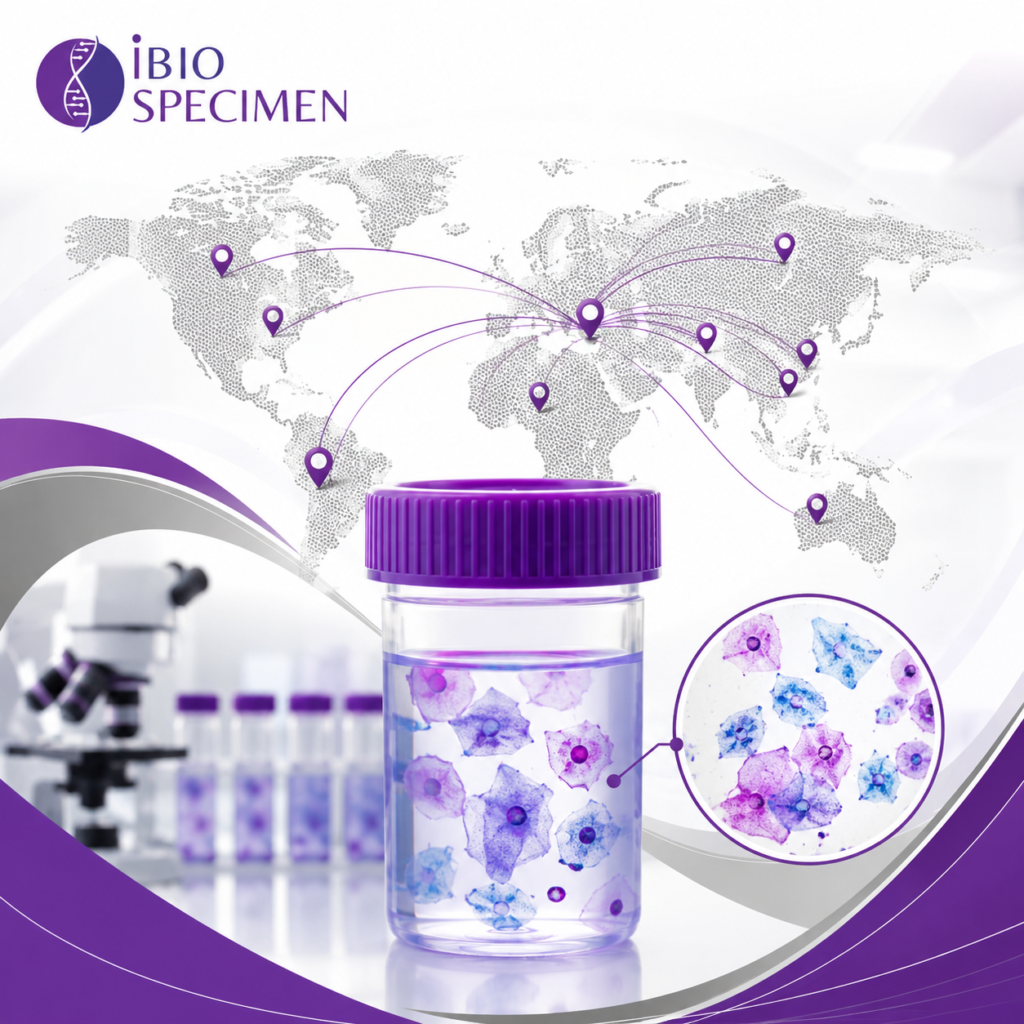
Human Liquid-Based Cytology (LBC) specimens are valuable biospecimens widely used in biomarker discovery, translational research, molecular diagnostics, and assay development. Collected through minimally invasive procedures, LBC samples preserve cellular morphology
while providing high-quality nucleic acids suitable for genomic, transcriptomic, and proteomic analyses. These specimens are commonly obtained from cervical, urinary, respiratory, and other cytological sources, making them an important resource for cancer research, infectious disease studies, and precision medicine applications. The standardized collection and processing methods associated with liquid-based cytology help reduce contamination and improve sample consistency, supporting reliable downstream testing. Researchers and diagnostic developers utilize Human Liquid-Based Cytology specimens for biomarker validation, molecular profiling, next-generation sequencing (NGS), PCR-based assays, and companion diagnostic development. The availability of clinically annotated LBC samples enables the investigation of disease-associated genetic alterations, expression patterns, and therapeutic response markers. Human LBC specimens can be supplied with associated demographic, pathological, and clinical data, subject to ethical and regulatory
compliance requirements. Their versatility, stability, and compatibility with advanced analytical platforms make liquid-based cytology samples a critical resource for pharmaceutical companies, biotechnology organizations, CROs, academic institutions, and diagnostic developers seeking high-quality specimens for innovative biomedical research.
High-Quality Liquid-Based Cytology Samples for
Advanced Research
Liquid-Based Cytology Samples have become an essential resource for modern biomedical
research, cancer diagnostics, biomarker discovery, assay validation, and pharmaceutical
development. As healthcare and precision medicine continue to evolve, researchers
increasingly rely on high-quality LBC Samples and Human Cytology Specimens to support
innovative studies in oncology, molecular pathology, and diagnostic test development.
Liquid-based cytology (LBC) technology provides improved sample preservation, enhanced
cellular morphology, and better compatibility with molecular testing compared to conventional
cytology preparations. These advantages make Cytology Biospecimens highly valuable for
academic institutions, biotechnology companies, pharmaceutical organizations, contract
research organizations (CROs), diagnostic manufacturers, and clinical laboratories.
At iBioSpecimen, we provide access to ethically sourced and research-grade Liquid-Based
Cytology Samples collected under strict quality standards and regulatory compliance
protocols. Our comprehensive network supports global research initiatives by supplying well-
characterized cytology specimens suitable for translational research and clinical assay
development.
Liquid-Based Cytology Samples are cellular specimens collected and preserved in specialized
liquid media that maintain cellular integrity while reducing contamination and artifact formation.
These samples are widely used in cancer screening programs, cytopathology laboratories,
molecular diagnostic research, and clinical studies.
Unlike traditional smear-based methods, liquid-based cytology allows cells to be evenly
distributed on microscope slides, improving specimen quality and diagnostic accuracy.
Additionally, residual material can often be used for ancillary molecular testing, including:
● DNA analysis
● RNA extraction
● NGS testing
● HPV testing
● Mutation analysis
● Biomarker studies
● Companion diagnostic development
Researchers utilize Liquid-Based Cytology Samples to investigate disease mechanisms,
identify predictive biomarkers, and validate emerging diagnostic technologies.
LBC Samples provide a versatile research platform for evaluating cellular abnormalities
associated with various diseases, particularly cancer. These specimens offer high-quality
cellular material that can support multiple downstream applications.
Common research applications include:
● Cancer biomarker discovery
● Cytological assay development
● Molecular diagnostic validation
● Precision medicine research
● Companion diagnostic studies
● Genomic profiling
● Proteomic analysis
● Drug response investigations
● Clinical trial support
Because of their compatibility with molecular testing technologies, LBC Samples have become
increasingly important in translational oncology research.
Human Cytology Specimens consist of cells collected from tissues, organs, or body fluids for
microscopic and molecular evaluation. These specimens provide valuable insights into disease
progression, cellular transformation, and therapeutic response.
Researchers use Human Cytology Specimens for:
● Cancer research
● Infectious disease studies
● Cellular biomarker analysis
● Molecular pathology investigations
● Diagnostic test development
● Artificial intelligence algorithm training
● Digital pathology validation
High-quality human cytology materials allow investigators to bridge the gap between laboratory
discoveries and clinical implementation.
The advancement of precision medicine relies heavily on access to well-characterized Cytology
Biospecimens. These samples enable scientists to identify molecular signatures associated
with disease subtypes, treatment responses, and patient outcomes.
Key advantages of Cytology Biospecimens include:
● High cellular preservation
● Molecular testing compatibility
● Long-term storage stability
● Availability for retrospective studies
● Reduced background contamination
● Improved reproducibility
Researchers conducting genomic and transcriptomic analyses frequently utilize Cytology
Biospecimens to investigate disease-specific molecular pathways and therapeutic targets.
Oncology Cytology Samples play a critical role in cancer diagnostics, translational research,
and biomarker development. Cytological specimens often provide a minimally invasive method
for obtaining clinically relevant cellular material from cancer patients.
Applications of Oncology Cytology Samples include:
● Tumor characterization
● Molecular oncology research
● Cancer biomarker discovery
● Therapeutic target identification
● Immuno-oncology studies
● Companion diagnostic development
● Clinical assay validation
Researchers studying lung cancer, cervical cancer, breast cancer, bladder cancer, pancreatic
cancer, thyroid cancer, and other malignancies frequently depend on high-quality oncology
cytology specimens.
Research Cytology Samples support a broad range of scientific investigations across
academia, biotechnology, diagnostics, and pharmaceutical sectors. These samples offer
researchers access to real-world biological materials necessary for developing next-generation
healthcare solutions.
Research Cytology Samples are commonly utilized in:
● Cell morphology studies
● Molecular diagnostics
● Assay optimization
● Laboratory-developed tests
● Clinical validation programs
● Artificial intelligence research
● Digital pathology platforms
Access to diverse and well-annotated Research Cytology Samples can significantly accelerate
scientific discovery and product development timelines.
Diagnostic companies require high-quality Diagnostic Validation Samples to establish the
analytical and clinical performance of new testing platforms. Cytology specimens provide
valuable materials for evaluating assay sensitivity, specificity, reproducibility, and accuracy.
Diagnostic Validation Samples support:
● IVD development
● Companion diagnostic programs
● Molecular testing validation
● Cytology assay verification
● Regulatory submission studies
● Laboratory accreditation requirements
Well-characterized validation cohorts help ensure robust assay performance across diverse
patient populations and clinical settings.
The search for novel disease biomarkers depends on access to reliable Biomarker Discovery
Specimens. Cytology samples offer a rich source of cellular material that can be analyzed
using advanced molecular technologies.
Researchers utilize Biomarker Discovery Specimens for:
● Genomic profiling
● Transcriptomic analysis
● Proteomic research
● Epigenetic investigations
● Multi-omics studies
● Precision medicine initiatives
Identification of clinically relevant biomarkers can improve early detection, treatment selection,
disease monitoring, and patient stratification strategies.
Cancer Research Samples are fundamental to understanding tumor biology and developing
effective therapeutic interventions. Liquid-based cytology specimens provide valuable insights
into cellular changes associated with cancer progression and treatment response.
Applications include:
● Oncology drug development
● Tumor biomarker identification
● Molecular pathway analysis
● Resistance mechanism studies
● Immunotherapy research
● Clinical trial support
Cancer Research Samples contribute to the development of targeted therapies and
personalized treatment approaches that improve patient outcomes.
Clinical Cytology Samples originate from routine healthcare settings and provide researchers
with real-world biological materials representative of patient populations.
These samples support:
● Clinical research programs
● Diagnostic assay validation
● Epidemiological studies
● Biomarker verification
● Quality assurance initiatives
● Population health investigations
Clinical Cytology Samples are particularly valuable because they reflect actual clinical workflows
and disease presentations encountered in healthcare environments.
Liquid Based Cytology Research has expanded significantly due to advances in molecular
diagnostics and precision medicine technologies. Researchers now utilize cytology specimens
for applications far beyond traditional microscopic evaluation.
Modern molecular applications include:
● Next-generation sequencing (NGS)
● Whole exome sequencing
● RNA expression profiling
● DNA mutation analysis
● HPV genotyping
● Liquid biopsy correlation studies
● Gene fusion detection
The ability to perform multiple analyses from a single specimen makes liquid-based cytology an
attractive option for comprehensive molecular investigations.
Diagnostic manufacturers often require large collections of Diagnostic Validation Samples to
demonstrate test performance before commercialization. High-quality cytology specimens
support analytical studies designed to meet regulatory requirements and industry standards.
Validation studies may evaluate:
● Precision
● Accuracy
● Reproducibility
● Linearity
● Clinical sensitivity
● Clinical specificity
Access to properly characterized Diagnostic Validation Samples helps accelerate product
development and regulatory approval processes.
Biomarker Discovery Samples are critical for identifying molecular indicators associated with
disease risk, progression, and treatment response. Cytology specimens offer an efficient source
of patient-derived cellular material suitable for advanced analytical platforms.
These samples are frequently used in:
● Precision oncology
● Early detection research
● Companion diagnostics
● Predictive biomarker studies
● Prognostic marker development
● Treatment monitoring research
The discovery of novel biomarkers continues to transform healthcare by enabling more
personalized treatment strategies.
Contract Research Organizations depend on reliable CRO Research Samples to support
diverse client projects across the pharmaceutical and biotechnology industries.
Common CRO applications include:
● Clinical trial support
● Assay validation
● Biomarker research
● Molecular testing development
● Regulatory studies
● Translational medicine programs
Access to high-quality cytology biospecimens allows CROs to deliver accurate and reproducible
research outcomes for sponsors worldwide.
Pharmaceutical Research Specimens play an important role throughout the drug
development lifecycle. Cytology samples provide valuable biological materials for investigating
disease mechanisms and evaluating therapeutic interventions.
Pharmaceutical companies utilize these specimens for:
● Target identification
● Drug efficacy studies
● Companion diagnostics
● Biomarker validation
● Patient stratification
● Precision medicine initiatives
High-quality Pharmaceutical Research Specimens contribute to the development of safer and
more effective therapies.
Selecting a trusted Cytology Sample Provider is essential for ensuring research quality,
regulatory compliance, and project success. Researchers require access to well-characterized
specimens supported by comprehensive documentation and quality assurance processes.
A reliable Cytology Sample Provider should offer:
● Ethical sourcing practices
● Informed consent compliance
● Quality-controlled collections
● Clinical annotation availability
● Global logistics support
● Regulatory documentation
● Customized procurement solutions
These capabilities help researchers obtain the biospecimens necessary to advance scientific
discovery.
LBC Biospecimens are increasingly requested by researchers working in oncology,
diagnostics, genomics, pathology, and translational medicine. Their versatility supports a wide
range of laboratory and clinical applications.
Available specimen types may include:
● Cervical cytology samples
● Respiratory cytology specimens
● Urinary cytology samples
● Fine needle aspiration samples
● Body fluid cytology specimens
● Oncology-associated cytology samples
LBC Biospecimens can often be supplied with corresponding demographic, pathological, and
clinical information when available for research use.
Human Cytology Samples continue to serve as an important foundation for medical
innovation. Their compatibility with both traditional cytopathology and modern molecular
technologies makes them indispensable resources for researchers worldwide.
Benefits include:
● High clinical relevance
● Molecular testing suitability
● Broad disease representation
● Support for precision medicine
● Real-world patient data integration
These advantages make Human Cytology Samples valuable tools for advancing diagnostic and
therapeutic development.
Researchers increasingly prefer Liquid-Based Cytology Samples because they offer superior
sample quality, enhanced molecular testing capabilities, and greater flexibility compared with
conventional cytology preparations.
Key benefits include:
● Improved cell preservation
● Better slide quality
● Reduced contamination
● Enhanced molecular testing compatibility
● Availability for multiple downstream analyses
● Support for biomarker discovery
● Utility in precision oncology research
As diagnostic technologies continue to evolve, Liquid-Based Cytology Samples will remain
essential resources for cancer research, assay validation, biomarker development, and
personalized medicine initiatives.
Access to high-quality Liquid-Based Cytology Samples, LBC Samples, Human Cytology
Specimens, Oncology Cytology Samples, Research Cytology Samples, Diagnostic
Validation Samples, Biomarker Discovery Specimens, Cancer Research Samples, Clinical
Cytology Samples, CRO Research Samples, and Pharmaceutical Research Specimens is
critical for advancing biomedical innovation.
Whether supporting diagnostic development, biomarker discovery, translational oncology
studies, clinical validation programs, or precision medicine research, well-characterized cytology
biospecimens provide the foundation for meaningful scientific breakthroughs and improved
patient care worldwide.