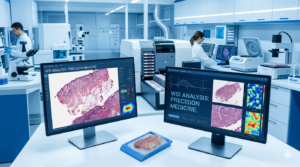

Precision medicine is transforming modern healthcare by tailoring prevention, diagnosis, and treatment strategies to the unique biological characteristics of each patient. This approach relies heavily on understanding genetic, molecular, and cellular differences among individuals and diseases. At the core of these discoveries are human biospecimen procurement services for precision medicine research, which provide researchers with access to high-quality biological samples necessary for advancing personalized healthcare.
Human biospecimens, including whole blood, tissue, plasma, serum, urine, and other biological materials, serve as critical resources for genomic analysis, biomarker discovery, molecular diagnostics, and therapeutic development. Procurement services ensure that these specimens are collected, processed, stored, and distributed according to rigorous quality standards and ethical guidelines. By supplying researchers with well-characterized biospecimens linked to relevant clinical data, these services enable meaningful scientific investigations and support the translation of research findings into clinical practice.
This article explores the role of human biospecimen procurement services in precision medicine research, highlighting their contributions to personalized medicine, biomarker discovery, genomic research, molecular diagnostics, oncology research, targeted therapy development, clinical research, translational medicine, and therapeutic innovation.
Human Biospecimen Procurement Services for Precision Medicine Research
Human biospecimen procurement services for precision medicine research are fundamental to the development of individualized healthcare strategies. Precision medicine seeks to identify the specific molecular and genetic factors that influence disease susceptibility, progression, and treatment response. Human biospecimens provide the biological material needed to investigate these factors and generate clinically relevant insights.
Researchers use biospecimens to analyze DNA, RNA, proteins, metabolites, and other molecular components that reflect the biological state of a patient or disease. Access to diverse and well-preserved specimens allows scientists to study variations across different populations, disease stages, and treatment responses.
Procurement services play a crucial role in ensuring that biospecimens are collected using standardized protocols and accompanied by accurate clinical annotations. This standardization enhances the reliability and reproducibility of research findings, making biospecimens indispensable for precision medicine investigations.
Role of Human Biospecimen Procurement Services in Precision Medicine Research
The role of human biospecimen procurement services in precision medicine research extends beyond simple sample collection. These services provide the infrastructure and expertise necessary to support complex biomedical studies that require high-quality biological materials.
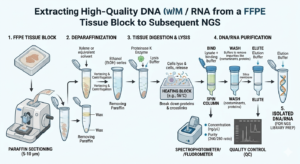
One of the primary functions of procurement services is to maintain the integrity of biospecimens throughout the collection, processing, storage, and distribution process. Proper handling is essential for preserving molecular information and ensuring that samples remain suitable for advanced analytical techniques such as next-generation sequencing, proteomics, and metabolomics.
Procurement services also facilitate access to diverse patient populations and disease-specific specimen collections. This diversity is critical for precision medicine research because it allows investigators to identify biomarkers and therapeutic targets that are relevant across different demographic and clinical groups.
By providing reliable access to ethically sourced and well-characterized biospecimens, procurement services help bridge the gap between laboratory discoveries and clinical applications.
Human Biospecimen Procurement Services for Personalized Medicine Research
Human biospecimen procurement services for personalized medicine research support the development of healthcare approaches tailored to the individual characteristics of each patient. Personalized medicine relies on understanding how genetic, molecular, and environmental factors influence disease and treatment response.
Biospecimens enable researchers to identify patient-specific biomarkers and molecular signatures that can guide diagnosis, prognosis, and therapy selection. For example, genetic testing performed on biospecimens can reveal mutations associated with inherited diseases or predict a patient’s likelihood of responding to a particular treatment.
Procurement services also support longitudinal studies in which biospecimens are collected from patients over time. These studies provide valuable insights into disease progression, treatment response, and the development of resistance mechanisms, all of which are essential for advancing personalized medicine.
Human Biospecimen Procurement Services for Biomarker Discovery
Human biospecimen procurement services for biomarker discovery are critical for identifying measurable biological indicators associated with disease, treatment response, and prognosis. Biomarkers play a central role in precision medicine because they help clinicians classify diseases, predict outcomes, and select appropriate therapies.
Researchers use biospecimens to compare molecular profiles between healthy and diseased individuals, as well as between patients who respond differently to treatment. These comparisons can reveal genetic mutations, protein expression patterns, metabolites, and other biomarkers associated with specific disease states.
Once potential biomarkers are identified, additional biospecimens are needed for validation studies. Procurement services facilitate this process by providing access to independent specimen cohorts, enabling researchers to confirm the reproducibility and clinical utility of their findings.
Biomarker discovery supported by high-quality biospecimens contributes to the development of diagnostic tests, prognostic tools, and targeted therapeutic strategies.
Human Biospecimen Procurement Services for Genomic Research
Human biospecimen procurement services for genomic research provide the DNA and RNA samples necessary for investigating the genetic basis of disease. Genomic research has become a cornerstone of precision medicine because it enables researchers to identify mutations, gene fusions, copy number variations, and other genetic alterations that influence health and disease.
High-quality biospecimens are essential for accurate genomic analysis. Procurement services ensure that samples are collected and processed under conditions that preserve nucleic acid integrity, thereby supporting reliable sequencing results.
Genomic research using human biospecimens has led to the discovery of disease-associated genes, the identification of therapeutic targets, and the development of precision medicine approaches for conditions such as cancer, cardiovascular disease, and rare genetic disorders.
By supplying well-characterized specimens for genomic analysis, procurement services contribute significantly to the advancement of personalized healthcare.
Human Biospecimen Procurement Services for Molecular Diagnostics
Human biospecimen procurement services for molecular diagnostics support the development and validation of tests that detect disease-related molecular changes. Molecular diagnostics are essential for precision medicine because they provide detailed information about the genetic and molecular characteristics of a patient’s condition.
Biospecimens are used to identify mutations, gene expression patterns, protein markers, and other molecular features that can aid in diagnosis and treatment selection. For example, molecular diagnostic tests can detect actionable mutations in cancer patients, enabling clinicians to prescribe targeted therapies.
Procurement services ensure that biospecimens used for molecular diagnostics meet quality standards and are accompanied by relevant clinical data. This quality assurance is critical for generating accurate and clinically meaningful diagnostic results.
As molecular diagnostics continue to evolve, the demand for high-quality human biospecimens will remain a key driver of precision medicine research.
Human Biospecimen Procurement Services for Oncology Research
Human biospecimen procurement services for oncology research are particularly important because cancer is a highly heterogeneous disease characterized by diverse genetic and molecular alterations. Oncology research relies on access to tumor tissue, blood samples, and other biospecimens to study cancer biology and develop more effective treatments.
Biospecimens enable researchers to analyze tumor mutations, gene expression profiles, tumor microenvironment interactions, and mechanisms of metastasis. These studies contribute to the identification of therapeutic targets and the development of targeted cancer therapies.
Procurement services also support the evaluation of biomarkers associated with treatment response and resistance. By providing access to well-characterized cancer biospecimens, these services help researchers advance precision oncology and improve patient outcomes.
Human Biospecimen Procurement Services for Targeted Therapy Research
Human biospecimen procurement services for targeted therapy research play a vital role in developing therapies that specifically target molecular abnormalities driving disease. Targeted therapies are designed to interfere with specific proteins, genes, or signaling pathways associated with disease progression.
Researchers use biospecimens to identify actionable molecular alterations and evaluate their suitability as therapeutic targets. For example, tumor biospecimens can be analyzed to detect mutations that predict response to targeted cancer therapies.
Procurement services also support the validation of predictive biomarkers used to identify patients who are most likely to benefit from targeted treatments. This validation is essential for the development of companion diagnostic tests and the successful implementation of precision medicine strategies.
Human Biospecimen Procurement Services for Clinical Research
Human biospecimen procurement services for clinical research provide investigators with access to biological samples needed for studying disease progression, treatment response, and patient outcomes. Clinical research often requires biospecimens collected from participants in clinical trials or observational studies.
Biospecimens collected during clinical research can be used to evaluate biomarkers, monitor therapeutic effects, and assess safety profiles. These analyses help researchers understand how patients respond to treatment and identify factors that influence therapeutic efficacy.
Procurement services also facilitate the collection of longitudinal samples, allowing researchers to study changes in biomarkers over time. This capability is particularly valuable for understanding disease progression and treatment resistance in precision medicine research.
Human Biospecimen Procurement Services for Translational Medicine Research
Human biospecimen procurement services for translational medicine research help bridge the gap between laboratory discoveries and clinical applications. Translational medicine focuses on converting scientific findings into diagnostic tools, therapeutic strategies, and improved patient care.
Biospecimens provide the biological context needed to validate laboratory discoveries in human populations. Researchers can use these samples to confirm the relevance of potential biomarkers, therapeutic targets, and disease mechanisms identified in preclinical studies.
Procurement services also support the integration of molecular data with clinical outcomes, enabling researchers to evaluate the real-world impact of their findings. This translational approach accelerates the development of precision medicine applications and enhances their clinical relevance.
Human Biospecimen Procurement Services for Drug Development
Human biospecimen procurement services for drug development support every stage of the therapeutic development pipeline. From target identification and validation to clinical trial biomarker analysis, biospecimens provide critical insights into disease biology and treatment response.
During preclinical development, biospecimens are used to assess target expression and investigate disease mechanisms. In clinical development, samples collected from trial participants can be analyzed to monitor pharmacodynamic effects, identify predictive biomarkers, and evaluate treatment response.
Procurement services also facilitate the development of companion diagnostics, which are tests used to identify patients who are most likely to benefit from a specific therapy. These diagnostics are increasingly important in precision medicine and targeted therapy development.
Human Biospecimen Procurement Services for Therapeutic Research
Human biospecimen procurement services for therapeutic research provide investigators with access to samples needed for evaluating novel treatment strategies. Therapeutic research encompasses the study of new drugs, biologics, cell therapies, gene therapies, and combination treatment approaches.
Biospecimens allow researchers to investigate how therapies affect molecular pathways, immune responses, and disease progression. These analyses help determine whether a treatment is achieving its intended biological effect and identify potential biomarkers of response.
Access to diverse biospecimen collections also supports comparative studies across different patient populations and disease subtypes. This information is valuable for optimizing therapeutic strategies and designing more effective clinical trials.
Reliable Human Biospecimen Procurement Services for Precision Medicine
Reliable human biospecimen procurement services for precision medicine are essential for ensuring the validity and reproducibility of research findings. Reliability depends on standardized collection procedures, proper sample handling, accurate documentation, and adherence to ethical and regulatory guidelines.
Researchers and healthcare organizations must be confident that the biospecimens they receive are of consistent quality and are accompanied by accurate clinical information. Reliable procurement services implement rigorous quality control measures to verify sample integrity and suitability for intended research applications.
Ethical sourcing is another critical aspect of reliability. Procurement providers must obtain informed consent, protect donor privacy, and comply with applicable regulations governing human subjects research. These practices ensure that biospecimens are collected and used responsibly.
High-Quality Human Biospecimen Procurement Services for Genomic Analysis
High-quality human biospecimen procurement services for genomic analysis are characterized by meticulous attention to sample quality, processing standards, and data integrity. Genomic analysis requires biospecimens with preserved nucleic acid quality to ensure accurate sequencing and reliable results.
Procurement services maintain standardized protocols for collection, processing, storage, and transportation. They also provide comprehensive documentation, including clinical annotations, demographic data, and sample handling records.
The use of high-quality biospecimens enhances the accuracy of genomic analyses and supports the discovery of disease-associated genetic alterations. This, in turn, contributes to the development of precision medicine strategies and personalized therapeutic approaches.
Human Biospecimen Procurement Services for Personalized Treatment Research
Human biospecimen procurement services for personalized treatment research support investigations aimed at tailoring therapies to the individual characteristics of each patient. Personalized treatment research seeks to identify biomarkers and molecular features that predict treatment response and guide therapy selection.
Biospecimens enable researchers to study the relationship between molecular profiles and therapeutic outcomes. For example, tumor tissue samples can be analyzed to determine whether specific genetic alterations are associated with sensitivity or resistance to targeted therapies.
Procurement services also facilitate the collection of specimens from diverse patient populations, ensuring that personalized treatment research reflects the variability present in real-world clinical settings. This diversity is essential for developing therapies that are effective across different demographic and disease groups.
Challenges and Future Directions in Human Biospecimen Procurement Services
Despite their critical importance, human biospecimen procurement services face several challenges. Variability in sample collection and processing can affect specimen quality and compromise research results. Maintaining adequate sample diversity is also essential for ensuring that precision medicine findings are applicable to broad patient populations.
Regulatory compliance and ethical considerations remain central to biospecimen procurement. Providers must navigate complex requirements related to informed consent, privacy protection, and international sample transfer while maintaining transparency and accountability.
Future advancements are expected to improve the efficiency and value of biospecimen procurement services. Innovations such as digital pathology, automated sample tracking, artificial intelligence-driven data analysis, and integrated multi-omics platforms will enhance the utility of biospecimens in precision medicine research.
Conclusion: The Essential Role of Human Biospecimen Procurement Services in Precision Medicine Research
Human biospecimen procurement services for precision medicine research are indispensable for advancing personalized healthcare and improving patient outcomes. These services provide researchers with access to high-quality, ethically sourced biological samples that support biomarker discovery, genomic research, molecular diagnostics, therapeutic development, and clinical research.
The role of human biospecimen procurement services in precision medicine research spans the entire continuum of biomedical investigation, from basic scientific discovery to translational medicine and personalized treatment research. By ensuring the availability of reliable and well-characterized biospecimens, procurement services enable researchers to generate accurate, reproducible, and clinically relevant data.
As precision medicine continues to evolve, the demand for reliable human biospecimen procurement services for precision medicine and high-quality human biospecimen procurement services for genomic analysis will continue to grow. These services will remain foundational to the development of innovative diagnostics, targeted therapies, and individualized treatment strategies that define the future of healthcare.