
Leukopak
Human Leukopak samples are a valuable resource for cancer and immunotherapy research, providing scientists with access to large quantities of viable peripheral blood mononuclear cells (PBMCs), including T cells, B cells, NK cells, and monocytes. These immune cell populations play a critical role in understanding tumor biology, immune responses, and the development of next-generation cancer treatments. Collected through leukapheresis from qualified donors, Leukopak samples offer high cell yield and viability, making them ideal for a wide range of applications such as CAR-T cell therapy development, immune profiling, biomarker discovery, drug screening, and translational research. Researchers rely on high-quality Leukopak specimens to investigate mechanisms of immune activation, tumor immune evasion, and therapeutic response. Fresh and cryopreserved Leukopak samples support both preclinical and clinical research programs, enabling consistent and reproducible results. With access to well-characterized donor samples and customizable collection options, researchers can obtain the specific immune cell populations needed fotheir studies. Human Leukopak samples continue to accelerate advancements in cancer immunotherapy, helping drive innovations that improve patient outcomes and support the development of more effective, targeted treatments.
High-Quality Leukopak Collection Services for Cell Therapy Research
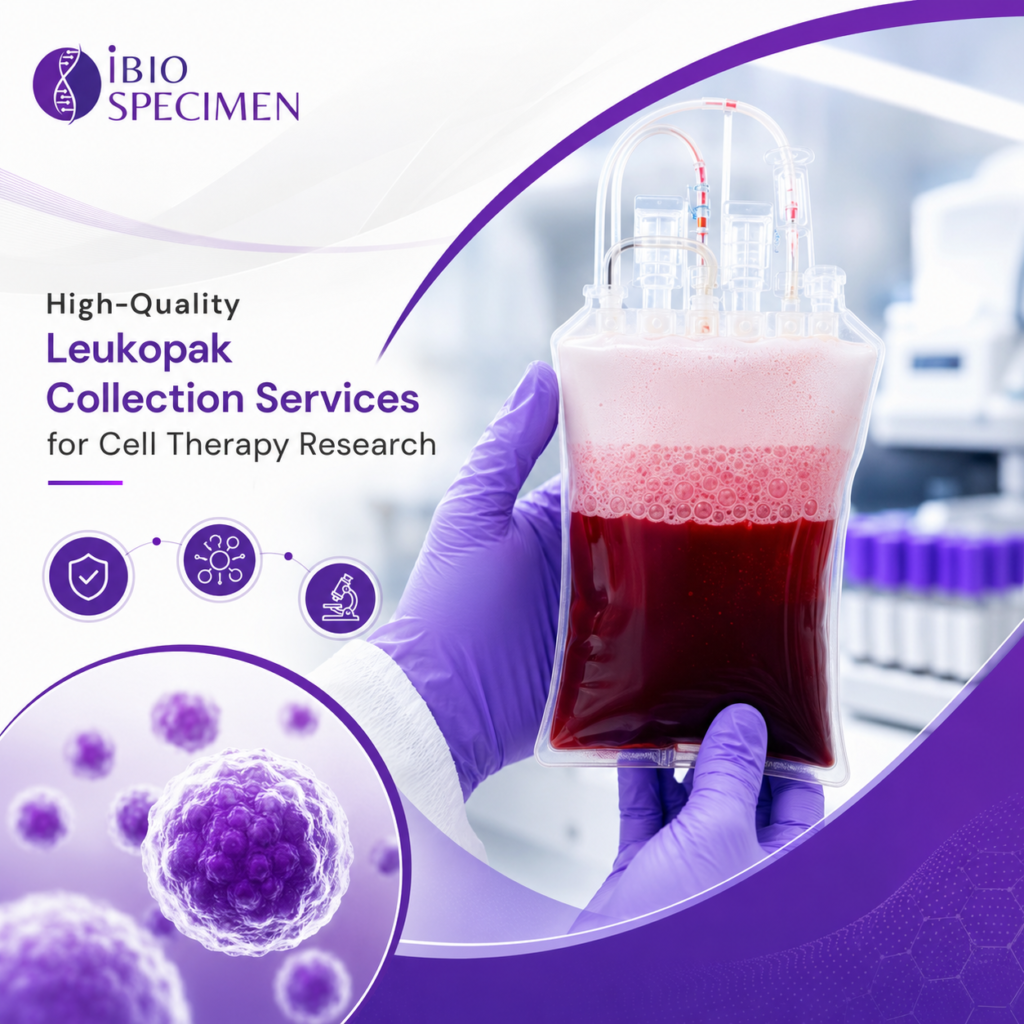
High-quality Leukopak collection services provide researchers with access to fresh, viable immune cells essential for cell therapy development. Leukopak samples contain rich populations of PBMCs, T cells, B cells, NK cells, and monocytes, supporting immunology, oncology, and regenerative medicine studies. Collected from qualified donors under strict protocols, these research-grade biospecimens help accelerate the development of innovative cell-based therapies and translational research programs.
Fresh Leukopak T Cells for Cancer Immunotherapy Research
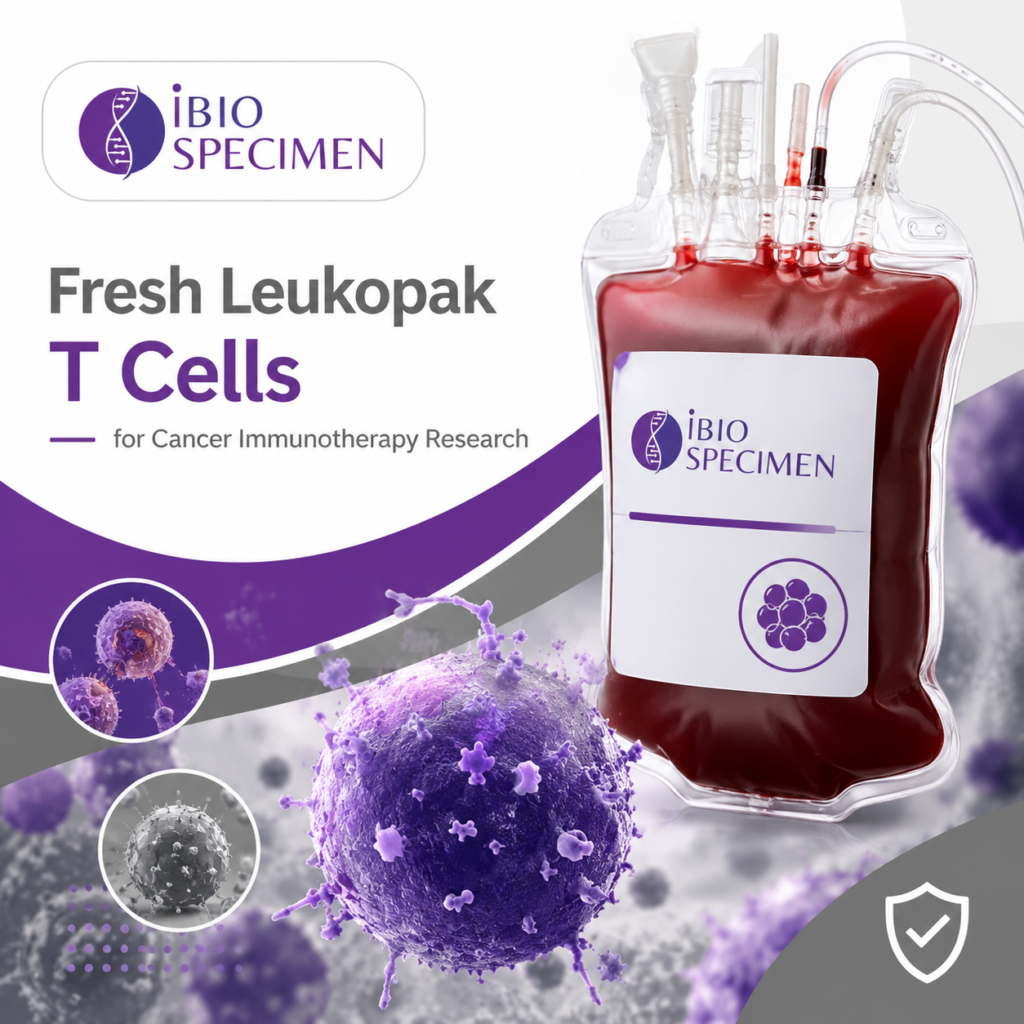
Fresh Leukopak T cells are a critical resource for advancing cancer immunotherapy research and developing innovative cell-based treatments. Obtained through leukapheresis from qualified donors, Leukopak samples provide a rich source of viable T lymphocytes that are essential for studying immune responses, tumor interactions, and therapeutic effectiveness. The high cell yield and viability of fresh Leukopak T cells make them ideal for demanding research applications that require functional immune cells. Researchers utilize fresh Leukopak T cells in a wide range of studies, including CAR-T cell therapy development, T-cell receptor (TCR) engineering, immune profiling, biomarker discovery, and adoptive cell transfer research. These cells help scientists better understand how T cells recognize and eliminate cancer cells while supporting the development of targeted immunotherapies designed to improve patient outcomes.
Freshly collected Leukopak T cells offer superior performance compared to long-term stored samples, enabling more accurate experimental results and reliable data generation. Available from diverse donor populations and customizable collection protocols, these research-grade biospecimens meet the evolving needs of academic institutions, biotechnology companies,and pharmaceutical organizations. By providing access to high-quality T cells, fresh Leukopak samples continue to play a vital role in accelerating cancer immunotherapy innovation and supporting the discovery of next-generation treatments for complex diseases.
Human Leukopak Immune Cells for Immunology and Oncology Research
Human Leukopak immune cells are an essential resource for immunology and oncology research, providing scientists with access to a diverse population of functional immune cells collected from qualified donors. Leukopak samples are enriched with peripheral blood mononuclear cells (PBMCs), including T cells, B cells, natural killer (NK) cells, and monocytes, making them invaluable for studying immune system function, disease mechanisms, and therapeutic development.
In immunology research, human Leukopak immune cells are widely used to investigate immune responses, cell signaling pathways, immune regulation, and host-pathogen interactions. Their high viability and cell yield enable researchers to perform complex assays, immune profiling studies, and biomarker discovery projects with greater accuracy and reproducibility. For oncology research, Leukopak-derived immune cells play a critical role in understanding tumor immunology and developing innovative cancer treatments. Researchers use these cells to evaluate immune cell-tumor interactions, identify novel therapeutic targets, and advance cell- based therapies such as CAR-T and NK cell therapies. Fresh and cryopreserved Leukopak samples support drug screening, translational studies, and personalized medicine initiatives. With access to high-quality donor-derived immune cells, academic institutions, biotechnology companies, and pharmaceutical organizations can accelerate research programs and drive breakthroughs in immunotherapy, cancer treatment, and immune-mediated disease research.
Modern biomedical research depends on access to high-quality human biospecimens that
accurately reflect human biology. Among the most valuable resources available to scientists
today are Leukopak samples for research, which provide a rich source of peripheral blood
immune cells for a wide range of applications. Leukopaks are collected through leukapheresis
procedures that concentrate white blood cells while returning other blood components to the
donor. These samples enable researchers to obtain large quantities of viable immune cells for
immunology, oncology, cell therapy, regenerative medicine, and translational research
programs.
Leukopak products offer significantly higher yields of immune cells compared to standard whole
blood collections, making them ideal for demanding research applications that require large cell
numbers and exceptional viability. Researchers rely on these biospecimens to accelerate
discoveries in cancer immunotherapy, autoimmune disease studies, infectious disease
research, and next-generation therapeutic development.
Finding a reliable Leukopak PBMCs supplier is essential for research organizations seeking
consistent and high-quality peripheral blood mononuclear cells (PBMCs). PBMCs include critical
immune cell populations such as T cells, B cells, NK cells, and monocytes, all of which play
fundamental roles in immune system function and therapeutic development.
High-quality Leukopak-derived PBMCs provide researchers with exceptional cell viability, purity,
and recovery rates. These characteristics are crucial for applications such as flow cytometry,
functional immune assays, cell expansion studies, biomarker discovery, and therapeutic
screening programs. A trusted supplier ensures that researchers receive carefully processed
samples with detailed donor information, supporting reproducibility and regulatory compliance
throughout the research process.
As personalized medicine continues to evolve, access to dependable Leukopak PBMC
resources has become increasingly important for advancing scientific understanding and
developing innovative treatments.
Professional human Leukopak collection services play a critical role in ensuring the availability
of premium biospecimens for scientific research. These services involve specialized
leukapheresis procedures performed by trained clinical personnel using advanced collection
equipment designed to maximize white blood cell yield while maintaining donor safety and
comfort.
Comprehensive collection programs support a variety of donor recruitment requirements,
including healthy donors and disease-state populations. Researchers may require specific
demographic characteristics, HLA typing, biomarker profiles, or disease conditions to support
targeted studies. Human Leukopak collection services facilitate access to these highly
customized donor populations while adhering to ethical standards and informed consent
requirements.
By providing standardized collection protocols and rigorous quality control measures, collection
services help ensure sample consistency, enabling researchers to generate reliable and
reproducible experimental results across multiple studies.
The growing field of cancer immunotherapy has significantly increased demand for Leukopak T
cells for immunotherapy research. T cells are central to adaptive immune responses and serve
as the foundation for numerous cell-based therapies, including CAR-T cell therapies, TCR-
engineered therapies, and adoptive cell transfer approaches.
Leukopak-derived T cells offer researchers access to large quantities of functional lymphocytes
suitable for cell isolation, expansion, activation, and genetic modification studies. These cells
are widely used to investigate mechanisms of immune regulation, tumor recognition, and
therapeutic efficacy in both preclinical and translational settings.
High-quality T cell populations obtained from Leukopak collections support the development of
innovative immunotherapeutic strategies aimed at improving outcomes for patients with cancer
and other serious diseases. Researchers benefit from the enhanced cell yields and viability that
Leukopak collections provide compared to traditional blood collection methods.
A dependable Leukopak B cells supplier helps researchers access critical immune cell
populations involved in antibody production, antigen presentation, and immune regulation. B
cells play a fundamental role in adaptive immunity and are increasingly recognized as important
targets for therapeutic development and disease research.
Leukopak-derived B cells are commonly used in studies involving antibody discovery, vaccine
development, autoimmune disease research, and immune system characterization.
Researchers require highly viable and functionally intact B cells to ensure accurate experimental
outcomes and meaningful biological insights.
By sourcing B cells from carefully collected Leukopak samples, investigators can obtain
sufficient cell numbers for advanced analyses, including single-cell sequencing, cell culture
studies, and immune profiling applications. Access to reliable B cell resources accelerates
scientific progress and supports the development of innovative therapeutic solutions.
Natural killer (NK) cells have emerged as promising therapeutic candidates in oncology and
immunotherapy, increasing the importance of efficient Leukopak NK cells procurement. NK cells
possess innate cytotoxic capabilities that enable them to recognize and eliminate abnormal or
malignant cells without prior sensitization.
Researchers utilize Leukopak-derived NK cells for studies focused on cancer biology, immune
surveillance, cellular engineering, and therapeutic development. The large cell yields obtained
through leukapheresis make Leukopak collections particularly valuable for NK cell expansion
and manufacturing workflows.
High-quality NK cell procurement services provide researchers with access to viable and
functionally active cells that support preclinical investigations and translational research
initiatives. As NK cell-based therapies continue to gain momentum, the demand for reliable
procurement solutions is expected to grow substantially.
The increasing adoption of cell-based therapeutics has created significant interest in Leukopak
monocytes for cell therapy applications. Monocytes are versatile immune cells that can
differentiate into macrophages and dendritic cells, making them valuable components in
advanced therapeutic research.
Researchers frequently utilize Leukopak-derived monocytes for cell therapy development,
immune modulation studies, tissue regeneration research, and vaccine production programs.
These cells serve as critical starting materials for generating specialized cell populations used in
innovative treatment approaches.
The high monocyte yields available from Leukopak collections enable scientists to perform
large-scale experiments and manufacturing processes while maintaining cell quality and
functionality. Access to premium monocyte populations supports the development of next-
generation therapies aimed at addressing unmet medical needs across multiple disease areas.
Fresh Leukopak blood products offer researchers immediate access to highly viable immune
cells with minimal processing-related changes. Fresh collections are particularly valuable for
applications requiring optimal cell functionality, including cell culture, immune monitoring,
cellular engineering, and therapeutic development.
Maintaining sample freshness helps preserve cellular integrity, viability, and biological activity,
ensuring that experimental results accurately reflect physiological conditions. Researchers
conducting time-sensitive studies often prefer fresh Leukopak products because they provide
superior performance compared to cryopreserved alternatives in certain applications.
Fresh Leukopak blood products support a broad range of research activities, including oncology
studies, infectious disease investigations, immunological assessments, and regenerative
medicine programs. Their exceptional quality makes them an indispensable resource for
advancing scientific discovery.
Access to Leukopak donor-derived immune cells enables researchers to investigate immune
system function using authentic human biological materials. These cells include diverse immune
populations such as T cells, B cells, NK cells, monocytes, dendritic cells, and other leukocyte
subsets that contribute to complex immune responses.
Donor-derived immune cells are essential for studying disease mechanisms, evaluating
therapeutic candidates, identifying biomarkers, and developing personalized medicine
strategies. Researchers benefit from the ability to isolate specific cell populations from a single
Leukopak collection, supporting multiple experimental objectives from one biospecimen source.
The availability of well-characterized donor-derived immune cells enhances research quality and
facilitates the translation of laboratory findings into clinically relevant therapeutic innovations.
The demand for Leukopak biospecimens for translational research continues to expand as
researchers work to bridge the gap between laboratory discoveries and clinical applications.
Translational research requires high-quality human specimens that accurately represent patient
biology and support meaningful therapeutic development.
Leukopak biospecimens provide abundant immune cells suitable for biomarker discovery, drug
development, immune profiling, precision medicine initiatives, and cell therapy research. Their
versatility allows investigators to explore complex biological processes while generating data
that can inform future clinical studies.
By supporting translational research efforts, Leukopak biospecimens contribute to the
development of safer, more effective therapies and help accelerate the advancement of
personalized treatment approaches. These valuable resources continue to play a critical role in
transforming scientific discoveries into real-world healthcare solutions.