NGS Screened Tissue Block
NGS Screened Tissue Block for Research
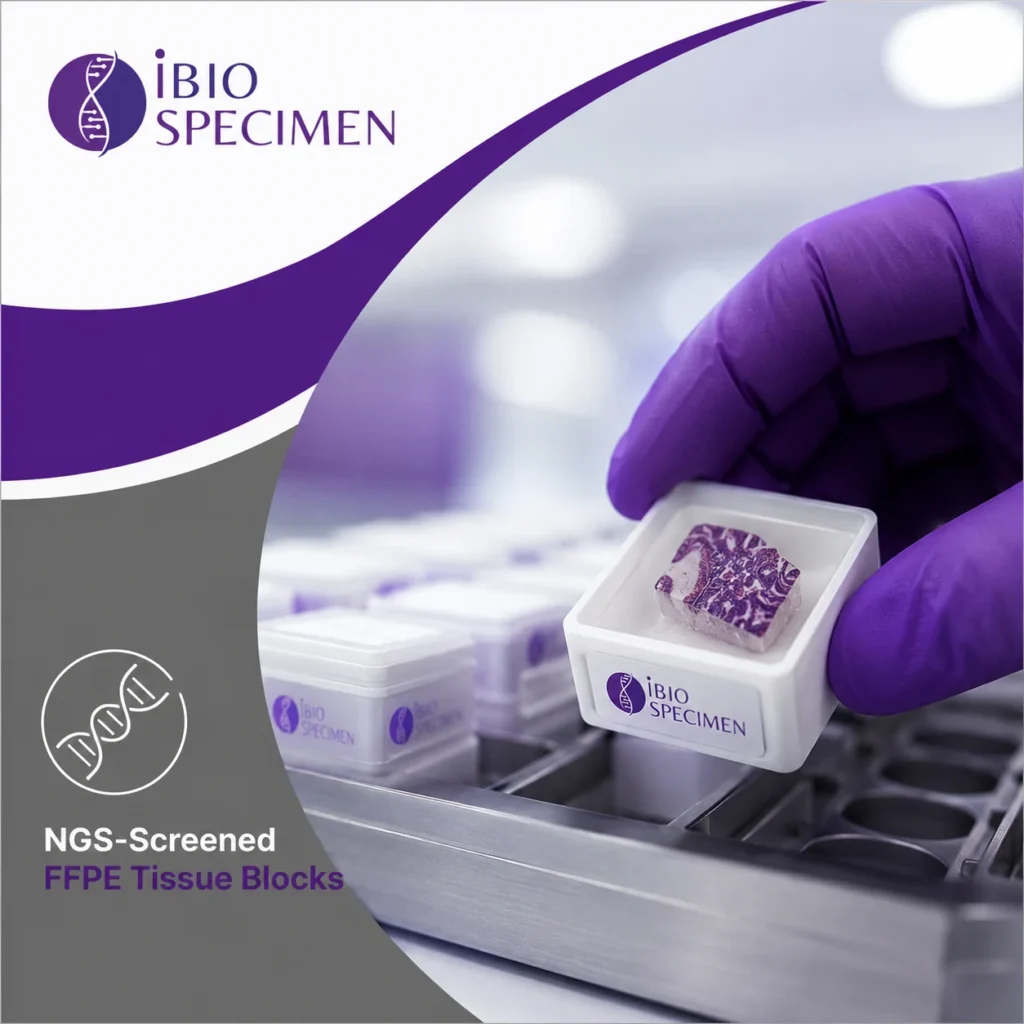
NGS-Screened FFPE Tissue Blocks for Research
iBioSpecimen provides high-quality NGS-screened FFPE tissue blocks for pharmaceutical research, biotechnology studies, oncology biomarker discovery, companion diagnostic development, assay validation, and translational research. Our FFPE tissue blocks are sourced through an extensive network of hospitals, pathology laboratories, biobanks, and clinical research partners, enabling access to well-characterized tumor specimens with confirmed molecular profiles.
NGS-Screened Tissue Blocks & Sets
NGS-Screened FFPE Tissue Blocks for Precision Oncology Research
iBioSpecimen provides high-quality NGS-screened FFPE tissue blocks for pharmaceutical research, biotechnology studies, oncology biomarker discovery, companion diagnostic development, assay validation, and translational research. Our FFPE tissue blocks are sourced through an extensive network of hospitals, pathology laboratories, biobanks, and clinical research partners, enabling access to well-characterized tumor specimens with confirmed molecular profiles.
Our NGS-screened FFPE blocks help researchers identify and select cancer tissue samples based on specific genomic alterations, including mutations, fusions, rearrangements, copy number variations, and clinically relevant oncology biomarkers. These samples are especially valuable for organizations developing targeted therapies, validating molecular assays, building AI-based pathology datasets, and conducting retrospective biomarker studies.
We support access to FFPE tissue blocks across a wide range of cancer indications, including lung cancer, colorectal cancer, breast cancer, prostate cancer, gastric cancer, ovarian cancer, pancreatic cancer, melanoma, liver cancer, bladder cancer, kidney cancer, brain tumors, lymphoma, and rare tumor types. Each FFPE block can be selected based on disease type, tumor percentage, necrosis percentage, tissue size, block age, treatment history, stage, grade, and available clinical annotation.
Molecularly Characterized FFPE Blocks with NGS Data
Next-generation sequencing allows deeper molecular characterization of FFPE tumor specimens. At iBioSpecimen, we help researchers access FFPE tissue blocks that have been screened or profiled using NGS-based methods to confirm key genomic alterations. This enables faster sample selection for biomarker-driven research and reduces uncertainty during downstream testing.
Available molecular targets may include:
EGFR, KRAS, NRAS, BRAF, ALK, ROS1, RET, MET, ERBB2, NTRK, FGFR, PIK3CA, IDH1, IDH2, BRCA1, BRCA2, TP53, PTEN, APC, MSI, TMB, HER2, PD-L1-related markers, and other cancer-associated genes.
Researchers can request FFPE blocks with known molecular status such as EGFR-mutant NSCLC, ALK-rearranged lung cancer, KRAS-mutant colorectal cancer, BRAF-mutant melanoma, BRCA-mutated ovarian cancer, MSI-high tumors, HER2-positive cancer, NTRK fusion-positive tumors, RET fusion-positive tumors, MET exon 14 skipping mutation, FGFR-altered tumors, and other actionable oncology biomarkers.
Applications of NGS-Screened FFPE Tissue Blocks
NGS-screened FFPE tissue blocks are widely used in precision medicine research and oncology product development. They are suitable for companion diagnostic validation, immunohistochemistry assay development, FISH probe validation, PCR assay verification, NGS panel development, biomarker discovery, drug response research, tumor profiling studies, and clinical trial feasibility assessments.
Pharmaceutical and biotechnology companies use these samples to study molecularly defined patient populations and validate assays for targeted therapy programs. Diagnostic companies use NGS-confirmed FFPE tissue blocks to test and optimize molecular diagnostic workflows, including DNA extraction, RNA extraction, library preparation, sequencing performance, and variant detection.
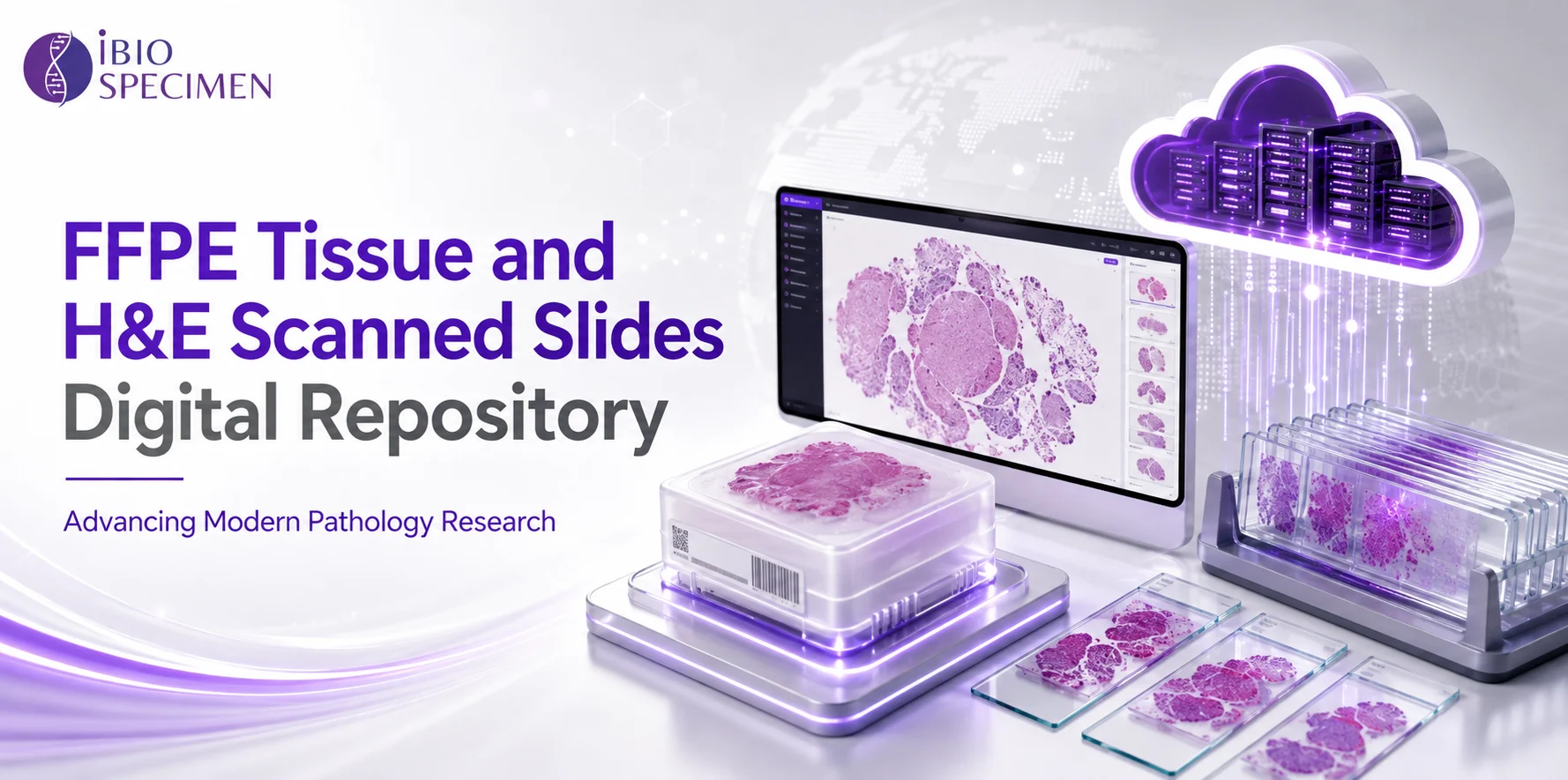
These specimens can also support digital pathology and AI model development, especially when paired with H&E slides, IHC slides, whole slide images, tumor annotations, and structured clinical metadata.
High-Quality FFPE Tissue Blocks with Pathology Review
Every FFPE tissue block can be supported by pathology review and sample-level quality information. Depending on project requirements, we can provide information such as diagnosis, anatomical site, tumor type, tumor percentage, necrosis percentage, block thickness, tissue area, fixation details, collection year, donor demographics, and available treatment or clinical outcome data.
Our team can help researchers source blocks suitable for downstream molecular workflows, including DNA sequencing, RNA sequencing, PCR, qPCR, ddPCR, FISH, IHC, spatial biology, transcriptomics, and whole slide imaging. For projects requiring strict inclusion criteria, we can pre-screen samples based on pathology, molecular status, tissue availability, and annotation depth.
Custom Cohorts of NGS-Screened FFPE Blocks
iBioSpecimen supports both single-sample procurement and custom cohort development. Researchers can request NGS-screened FFPE blocks based on highly specific criteria, including cancer indication, mutation status, stage, grade, treatment history, ethnicity, geographic origin, block age, tissue size, tumor content, and matched sample availability.
We can help build custom FFPE cohorts such as:
EGFR-positive lung cancer FFPE blocks, KRAS G12C FFPE blocks, ALK fusion-positive FFPE tissue blocks, MSI-high colorectal cancer tissue blocks, BRCA-mutated ovarian cancer FFPE blocks, HER2-positive breast cancer FFPE blocks, NTRK fusion-positive tumor blocks, RET-positive lung cancer blocks, FGFR-altered urothelial cancer blocks, and matched primary-metastatic FFPE tissue block sets.
For larger projects, we can support access to retrospective archived FFPE blocks, prospective collection, matched tissue and blood sets, plasma samples, serum samples, buffy coat, extracted DNA/RNA, unstained slides, curls, scrolls, and whole slide scanned images.
Compliance, Documentation, and Research Use
Our FFPE tissue block sourcing process is designed to support ethical research and regulated product development workflows. Samples may be provided with available documentation such as de-identification confirmation, pathology report extracts, IRB/ethics approval where applicable, informed consent status where available, material transfer documentation, and research-use declarations.
All specimens are handled with attention to donor privacy, biospecimen traceability, and study-specific requirements. We support researchers in the USA, UK, Europe, Asia, and global markets who require reliable access to molecularly characterized FFPE tissue blocks for oncology research and diagnostic development.
Your delight is always guaranteed!
We stand by our products and time-tested techniques 100%. If there are any issues with your order, we will make it right - replace it, refund it, whatever it takes to ensure you're positively delighted each time you receive a shipment from iBioSpecimen.
NGS Platform-Screened FFPE Tissue Blocks for Precision Oncology Research
Access high-quality FFPE tissue blocks characterized using leading next-generation sequencing (NGS) platforms. Our inventory includes molecularly profiled samples screened with industry-recognized assays, providing researchers with reliable genomic data
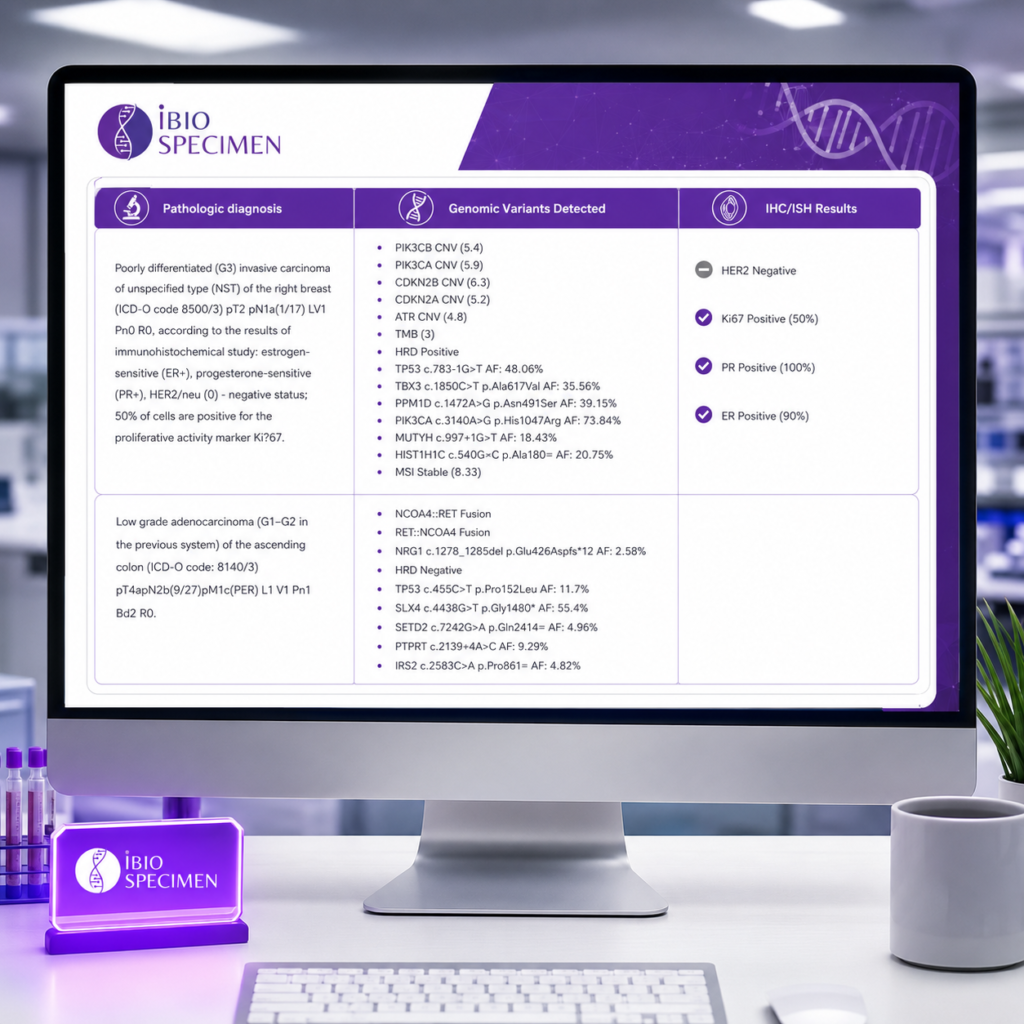
Our genomically profiled specimens at a glance
Our NGS-screened FFPE blocks and matched sets span all major cancer types and commonly used normal control tissues — so you can start with clarity, not assumptions.
Each specimen is carefully profiled to capture a wide range of clinically relevant genomic alterations. This includes everything from single nucleotide variants and small insertions/deletions to more complex features such as microsatellite instability (MSI), tumor mutational burden (TMB), copy number variations (CNVs), gene rearrangements, and homologous recombination deficiency (HRD). With this level of detail, you can clearly understand the molecular characteristics of each sample before starting your work.
All sequencing is carried out in certified laboratories using validated protocols. This ensures high-quality data, consistent variant detection, and results that align with real-world clinical and diagnostic expectations.
We provide both tumor-only specimens and matched tumor–normal pairs, along with pre-verified normal control tissues. These options support assay development, validation, and comparative studies with improved reliability and fewer variables.
Each sample comes with a structured clinical report summarizing key findings. In addition, raw sequencing files—such as FASTQ, BAM, and VCF—are available, giving you full access to review, validate, and analyze the data independently.
Our biospecimens are available in multiple formats, including FFPE tissues, fresh frozen samples, plasma, and matched multi-sample sets. This flexibility allows you to choose the right type of material for your specific research goals.
We believe in complete transparency—no unexpected fees or unclear deliverables. What you see is exactly what you get.
When working with us, you benefit from:
Consistently high-quality, validated samples
Clear, accessible data with no “black box” limitations
Fast and dependable turnaround times to keep your research on track
Don’t need of all of the genomic data? We have unscreened specimens too!
We make it simply and easy to get the variant-specific samples you need
We know that your time is precious, and we also know that your experiment can not be on hold for week or months (or dare we say it, ‘years!’) for specimens. That is why we do all the prep work for you, so we always have ready-to-ship, fit-for-purpose specimens ready to ship to your lab within days – less waiting, more science.
What you can expect with our NGS-screened tissue blocks & sets
You’re a request away from getting access to biomarker-screened, characterized specimens with all the data you could need. Data is provided in an XLSX format with other formats and PDF genomic reports available upon request.
These samples can include:
Common pathogenic or presumed pathogenic variants (e.g., p53, APC)
Variants prevalent in 20-50% of cancers (e.g., EGFR, KRAS, PIK3CA)
Highly mutated and rare variants and fusions (e.g., MSI high, TMB high, ALK fusion)
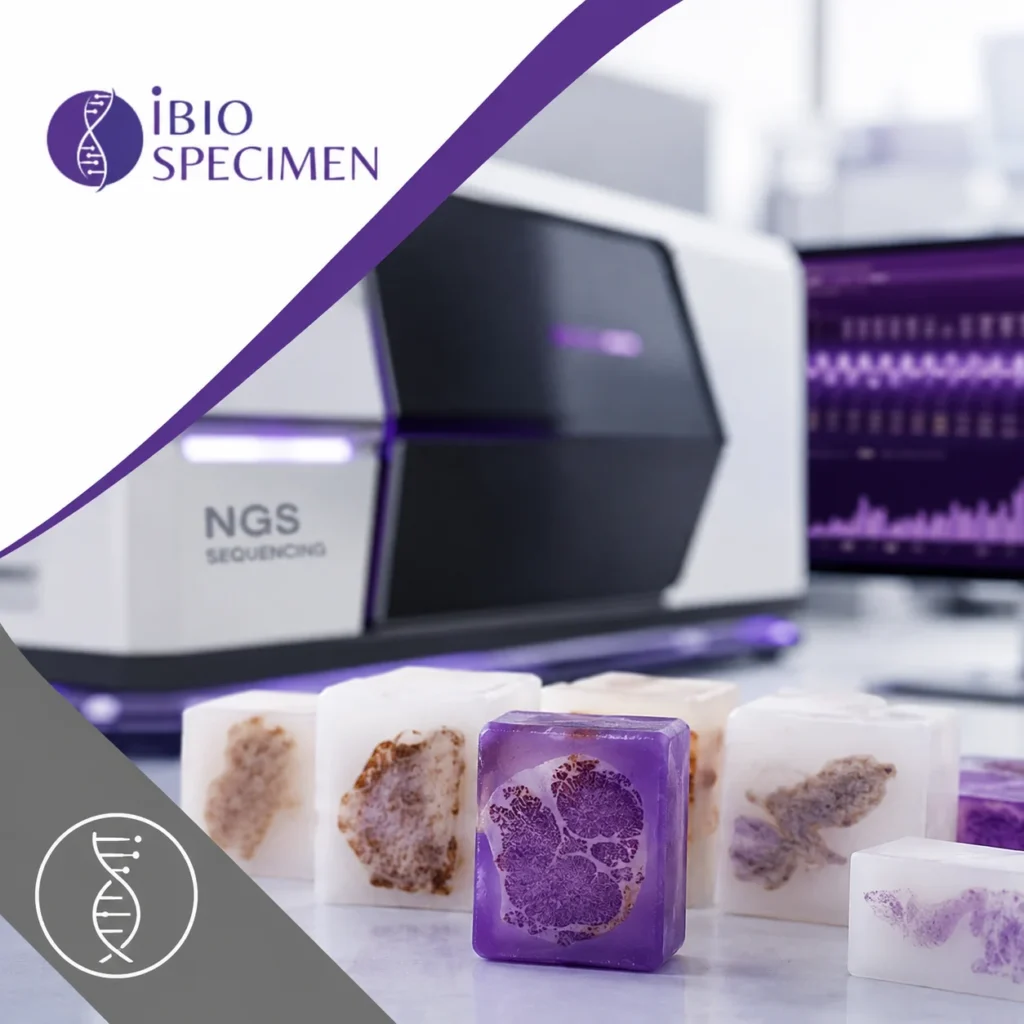
When it comes to our data, our sequencing panels vary, but our most common ones include Illumina’s TruSight 500 Comprehensive DNA and RNA panel, Burning Rock’s OncoScreen Plus, and various Archer targeted sequencing panels.
What you can expect with iBioSpecimen samples
TRUSTED BY LEADING RESEARCH INSTITUTIONS
- Our FFPE blocks and slides are collected under IRB-approved protocols from partner hospitals and labs.
- Every FFPE block we receive goes through in-house DNA QC, ensuring specimen applicability for downstream molecular analysis.
- Your delight is always guaranteed! We stand by our products and time-tested techniques 100%. If there are any issues with your order, we will make it right - replace it, refund it, whatever it takes to ensure you're positively delighted.
- Enjoy complimentary H&E slides with all of your FFPE tissue shipments - no extra costs, no need to ask.
- All of our samples undergo on-site pathologist review, including tissue quality (tumor and necrosis percentage), diagnosis confirmation, and IHC analysis & annotation when clinically applicable.
- Our NGS-screened tissue blocks & sets provide tumor and normal FFPE specimens (and matched sets) carefully sequenced across DNA and RNA, so you work with samples that already carry the molecular insights your assays need.
Get in touch today to explore our current inventory and custom collection options.
General Questions
Frequent Asked Questions!!
iBiospecimen leads in specimen procurement, linking clients to a worldwide provider network. Our ibiospecimen Marketplace allows researchers to acquire needed specimens with speed, efficiency, and compliance. Curious about ibiospecimen and what we offer? Find answers to common questions below.
FFPE samples often suffer from degradation and alterations during the fixation process, affecting the quality of extracted biomolecules. The cross-linking caused by formalin can hinder nucleic acid extraction and affect the performance of some assays. Specialized protocols and equipment may be required to overcome these challenges and obtain reliable data from FFPE tissue samples.
Place the FFPE tissue blocks securely in leak-proof containers or vials, ensuring proper labeling. Use absorbent material (e.g., absorbent pads) to manage potential spills.
Yes, maintain appropriate temperature conditions during shipping. Consider using temperature-controlled packaging or dry ice if needed to preserve sample integrity.
Minimize the risk of contamination by using proper packaging materials and ensuring containers are securely sealed. Additionally, avoid shipping with hazardous or potentially interfering substances.
ibiospecimen collaborates with a global network of countries, providing access to a diverse range of specimen blocks for researchers.
NGS-Screened FFPE Tissue Blocks
iBioSpecimen offers carefully selected NGS-screened FFPE tissue blocks for oncology research, molecular diagnostics development, pharmaceutical studies, biomarker discovery, and precision medicine programs. These tissue blocks are formalin-fixed and paraffin-embedded tumor specimens that are linked with next-generation sequencing information, allowing researchers to identify samples based on specific genomic alterations rather than diagnosis alone.
In modern cancer research, tissue morphology is only one part of the story. Two tumors may appear similar under the microscope but may carry completely different molecular drivers. This is why researchers increasingly require FFPE tissue blocks that are not only pathology-confirmed but also molecularly profiled. Our NGS-screened FFPE tissue blocks help research teams access cancer specimens with known mutation, fusion, rearrangement, amplification, or biomarker status, making them useful for advanced oncology studies and assay development.
Through our biospecimen sourcing network, iBioSpecimen supports access to tumor blocks across multiple cancer types, including non-small cell lung cancer, colorectal cancer, breast cancer, ovarian cancer, prostate cancer, gastric cancer, pancreatic cancer, melanoma, liver cancer, bladder cancer, kidney cancer, brain tumors, sarcoma, lymphoma, and rare malignancies. Samples may be requested based on cancer type, histology, tumor percentage, necrosis level, block age, tissue availability, molecular profile, and available clinical annotation.
Molecularly Profiled FFPE Blocks for Targeted Oncology Research
NGS-screened FFPE tissue blocks are especially valuable when a study requires a defined molecular profile. Instead of starting with uncharacterized tumor material and performing additional screening, researchers can request FFPE blocks that already have known genomic findings. This helps reduce project delays, improve sample selection, and support more focused research programs.
Depending on availability, FFPE tissue blocks may be sourced with molecular information related to clinically important oncology genes and biomarkers such as EGFR, KRAS, NRAS, BRAF, ALK, ROS1, RET, MET, ERBB2, HER2, NTRK, FGFR, PIK3CA, PTEN, TP53, APC, IDH1, IDH2, BRCA1, BRCA2, MSI, TMB, and other tumor-associated markers. These samples can support projects focused on targeted therapy development, companion diagnostic research, molecular assay comparison, and patient stratification studies.
Researchers may request biomarker-defined blocks such as EGFR-mutated lung cancer FFPE blocks, KRAS-mutated colorectal cancer tissue blocks, BRAF-positive melanoma blocks, ALK-rearranged lung cancer blocks, RET fusion-positive tumor blocks, MET exon 14 skipping mutation-positive samples, MSI-high colorectal cancer blocks, BRCA-mutated ovarian cancer blocks, HER2-positive breast or gastric cancer blocks, and other molecularly characterized oncology specimens.
Why NGS-Screened FFPE Tissue Blocks Matter
Standard FFPE tissue blocks are useful for histology and basic pathology research, but NGS-screened FFPE blocks provide additional molecular context. This makes them more powerful for studies where genomic status directly affects sample selection, experimental design, or assay interpretation.
For pharmaceutical companies, these blocks may support translational research, targeted drug development, clinical trial preparation, and retrospective biomarker analysis. For diagnostic companies, they may help with NGS panel verification, PCR assay development, FISH probe validation, IHC correlation studies, and companion diagnostic workflows. For AI and digital pathology companies, NGS-linked FFPE samples can help build datasets that connect tissue images with molecular features.
Because one FFPE block can often generate multiple sections, it can support several downstream applications, including H&E staining, IHC testing, FISH testing, DNA extraction, RNA extraction, PCR, sequencing, whole slide imaging, and image-based annotation. This makes NGS-screened FFPE tissue blocks a flexible and valuable resource for cancer research and diagnostic product development.
Supporting USA, UK, Switzerland, Europe & Global Precision Oncology Research
iBioSpecimen supports researchers, biotechnology companies, pharmaceutical organizations, contract research organizations (CROs), diagnostic developers, and academic institutions across the United States, United Kingdom, Switzerland, Germany, France, and other European countries with access to high-quality NGS-screened FFPE tissue blocks and molecularly characterized biospecimens. We help research teams identify suitable sequenced tissue blocks, NGS-tested tumor samples, and biomarker-positive FFPE specimens for precision oncology, translational research, biomarker discovery, companion diagnostics, and genomic research applications.
Whether your project is based in the USA, UK, Switzerland, Germany, France, Italy, the Netherlands, Belgium, Spain, or another global life sciences hub, our team can evaluate sourcing feasibility and help identify tissue blocks that meet specific molecular, pathological, and clinical requirements. We understand that modern oncology research often depends on access to NGS-validated tissue samples, mutation-positive FFPE blocks, and sequenced cancer biospecimens with well-documented clinical and molecular data.
Through our global biospecimen network, we support studies involving clinically relevant biomarkers such as KRAS, EGFR, BRAF, PIK3CA, TP53, ALK, ROS1, HER2, MSI, PD-L1, and BRCA1/2, helping researchers obtain tissue samples aligned with precise study inclusion criteria. Our goal is to streamline access to NGS-screened tissue blocks, molecularly characterized FFPE samples, and sequenced oncology specimens while maintaining the speed, documentation, quality, and flexibility required for successful research programs across the United States, United Kingdom, Switzerland, Europe, and international markets.
Request NGS-Screened FFPE Tissue Blocks
If your organization requires NGS-screened FFPE tissue blocks for oncology research, diagnostic assay development, companion diagnostic studies, digital pathology AI, molecular validation, or biomarker discovery, iBioSpecimen can help you source tissue blocks aligned with your project requirements.
Share your cancer indication, target gene or biomarker, required molecular status, sample quantity, preferred format, tumor percentage requirement, necrosis limit, clinical data needs, and documentation expectations. Our team will review feasibility and help identify suitable molecularly characterized FFPE tissue blocks for your research program.
From common oncology targets to rare genomic alterations, iBioSpecimen supports research teams seeking high-quality FFPE tissue blocks with meaningful molecular and pathology data.
NGS-Screened FFPE Tissue Blocks | Molecularly Profiled Cancer Samples
Source NGS-screened FFPE tissue blocks with known mutations, fusions, biomarkers, pathology review, and clinical annotation for oncology research and assay development.
NGS-screened FFPE tissue blocks, NGS screened FFPE tissue block, molecularly profiled FFPE blocks, FFPE tissue blocks with NGS data, mutation-positive FFPE tissue blocks, biomarker-defined FFPE tissue blocks, oncology FFPE blocks, cancer FFPE tissue blocks, molecularly characterized tumor blocks, EGFR-mutated FFPE blocks, KRAS-mutated FFPE tissue, ALK-rearranged FFPE blocks, RET fusion FFPE tissue, NTRK fusion FFPE block, MET exon 14 FFPE tissue, MSI-high FFPE blocks, BRCA-mutated FFPE tissue, HER2-positive FFPE blocks, FFPE tissue blocks for NGS validation, FFPE blocks for companion diagnostics, FFPE blocks for digital pathology AI, FFPE tissue blocks USA, FFPE tissue blocks UK.
“NGS-screened FFPE tissue blocks” and also create supporting sections for “FFPE tissue blocks with NGS data,” “molecularly profiled FFPE blocks,” and “mutation-positive FFPE tissue blocks.”
High-Quality NGS-Screened FFPE Tissue Blocks with Confirmed Molecular Profiles
iBioSpecimen provides high-quality NGS-screened FFPE tissue blocks for oncology research, molecular diagnostics development, pharmaceutical programs, companion diagnostic development, biomarker discovery, translational medicine, and precision oncology applications. Our molecularly characterized FFPE tissue blocks are selected using both pathology review and genomic profiling data, allowing researchers to identify tumor specimens based not only on diagnosis but also on specific molecular characteristics and actionable genomic alterations.
Traditional FFPE tissue selection often relies on pathology review, histology, tumor percentage, or anatomical origin. Modern oncology research requires deeper molecular characterization because tumors that appear similar under the microscope may carry very different genomic drivers. NGS-screened FFPE tissue blocks help solve this challenge by allowing researchers to select specimens based on mutation status, fusion status, copy number alterations, microsatellite instability, tumor mutational burden, homologous recombination deficiency, and other sequencing-confirmed biomarkers.
These molecularly profiled tumor blocks are especially valuable for research programs requiring well-characterized specimens with known genomic findings. Researchers may request tissue blocks based on tumor type, mutation profile, RNA fusion status, sequencing results, tumor percentage, necrosis limits, pathology review, histological subtype, treatment history, and available clinical annotation.
Next-generation sequencing allows deeper genomic characterization of FFPE tumor specimens. At iBioSpecimen, researchers may access FFPE tissue blocks that have been screened using targeted sequencing panels, DNA sequencing, RNA sequencing, hotspot panels, solid tumor panels, or broader comprehensive genomic profiling workflows. This helps research teams select specimens with greater confidence before beginning downstream molecular studies.
NGS-screened FFPE tissue blocks may include information related to single nucleotide variants, insertions and deletions, gene fusions, rearrangements, copy number alterations, tumor mutational burden, microsatellite instability, and other cancer-associated genomic findings. Depending on availability, sequencing reports, molecular summaries, and additional genomic data may be available to support project planning and sample selection.
Available molecular targets may include EGFR, KRAS, NRAS, BRAF, ALK, ROS1, RET, MET, ERBB2, HER2, NTRK, FGFR, PIK3CA, TP53, PTEN, APC, IDH1, IDH2, BRCA1, BRCA2, MSI, TMB, HRD, and other oncology-relevant biomarkers. Researchers may request single-marker cohorts or multi-marker cohorts depending on study design and sample availability.
Mutation-positive FFPE tissue blocks are important for precision oncology studies, targeted therapy development, diagnostic assay validation, and biomarker-driven research. Instead of beginning with uncharacterized tumor material, researchers can request specimens with known molecular status, helping reduce screening time and improve project efficiency.
Examples of commonly requested biomarker-defined specimens include EGFR-mutated non-small cell lung cancer FFPE blocks, KRAS-mutant colorectal cancer blocks, BRAF-mutated melanoma specimens, ALK fusion-positive lung cancer samples, RET fusion-positive tumors, MET exon 14 skipping mutation cases, MSI-high colorectal tumor specimens, BRCA-mutated ovarian cancer blocks, NTRK fusion-positive tumors, HER2-positive cancers, and FGFR-altered urothelial cancer samples.
Rare biomarker requests may also be supported depending on feasibility, available inventory, tissue quality, and required documentation. These specimens can help pharmaceutical companies, biotechnology organizations, diagnostic developers, CROs, and academic researchers access molecularly defined tumor material for sequencing-focused oncology programs.
Modern oncology increasingly depends on molecular classification rather than histology alone. Two tumors may share the same diagnosis but behave differently because of differences in their genomic architecture. For this reason, researchers developing targeted therapies, molecular assays, and precision medicine workflows often require FFPE tissue blocks with confirmed sequencing data.
Using genomically profiled FFPE tissue blocks can reduce unnecessary screening, shorten project timelines, improve sample selection, and support assay development with known positive and negative molecular profiles. These specimens are useful when research teams need to validate sequencing assays, compare platforms, test bioinformatics pipelines, evaluate variant detection, or build biomarker-defined cohorts for translational research.
NGS-screened FFPE tissue blocks are also valuable for retrospective oncology studies where molecular status is central to study design. By selecting samples based on confirmed genomic findings, researchers can better align tissue procurement with study objectives and reduce the risk of receiving unsuitable specimens.
NGS-screened FFPE tissue blocks support a wide range of sequencing-focused applications. They may be used for NGS panel development, sequencing workflow validation, molecular assay optimization, companion diagnostic research, biomarker discovery, pharmaceutical research, and translational oncology programs.
For NGS assay development, these specimens can support DNA extraction validation, RNA extraction validation, library preparation optimization, coverage assessment, variant detection verification, sequencing platform comparison, and bioinformatics pipeline testing. Known mutation-positive and fusion-positive tissue blocks are especially useful when researchers need to confirm assay performance across clinically relevant genomic alterations.
For companion diagnostic and pharmaceutical research, molecularly characterized tumor specimens help support targeted therapy programs, patient stratification studies, retrospective biomarker analysis, and translational research. These samples allow researchers to work with tumor material that already carries the molecular features needed for the study.
iBioSpecimen supports access to NGS-characterized FFPE tissue blocks across multiple cancer indications. These may include non-small cell lung cancer, colorectal cancer, breast cancer, ovarian cancer, prostate cancer, pancreatic cancer, gastric cancer, melanoma, bladder cancer, kidney cancer, liver cancer, brain tumors, lymphoma, sarcoma, and rare malignancies.
Researchers may request tissue blocks based on tumor type, histological subtype, stage, grade, primary or metastatic status, treatment exposure, collection year, tumor percentage, necrosis limits, and specific molecular profile. Custom sourcing may be available for projects requiring rare genomic alterations or strict inclusion criteria.
Sample quality is critical for reliable sequencing performance. FFPE tissue blocks used for NGS workflows should be carefully evaluated for tumor content, necrosis, tissue size, fixation quality, sample age, and nucleic acid suitability. Depending on availability, iBioSpecimen can support access to specimens with pathology review, tumor percentage assessment, necrosis percentage evaluation, histological subtype information, molecular test summaries, and other sample-level details.
Researchers may specify minimum tumor percentage requirements, maximum necrosis limits, preferred block age, tissue area requirements, and desired sample preparation format. Where available, H&E review and whole slide images may help support tissue selection before shipment.
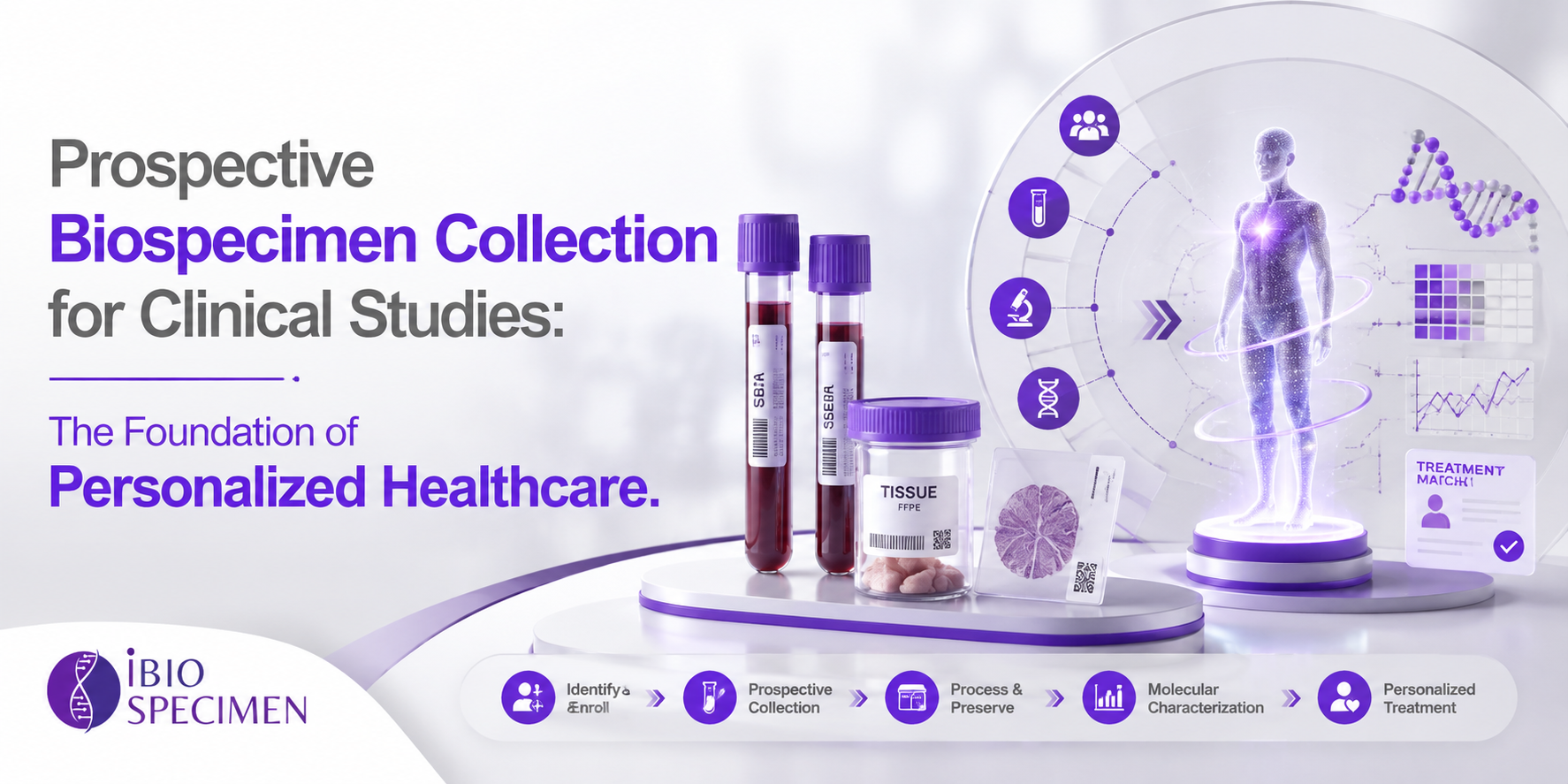
Depending on project requirements, NGS-screened FFPE tissue specimens may be supplied as full FFPE blocks, tissue curls, tissue scrolls, unstained slides, extracted DNA, extracted RNA, molecular summaries, sequencing reports, or whole slide images. Sample format can be selected based on the intended downstream workflow, including DNA sequencing, RNA sequencing, targeted panel testing, library preparation, PCR confirmation, or bioinformatics analysis.
Matched sample sets may also be available depending on source and project feasibility. These may include matched tumor and normal tissue, FFPE and plasma, FFPE and serum, FFPE and buffy coat, FFPE and whole blood, or other biospecimen combinations required for molecular oncology research.
iBioSpecimen supports responsible biospecimen sourcing for research-use applications. Available documentation may include de-identification confirmation, pathology summaries, molecular summaries, sequencing report availability, material transfer documentation, research-use declarations, consent status where available, and ethics or IRB-related documentation where applicable.
Documentation availability may vary by specimen source, disease indication, project type, and country of origin. Researchers are encouraged to share their required documentation, data fields, and compliance expectations at the beginning of the request so feasibility can be assessed properly.
If your organization requires NGS-screened FFPE tissue blocks with confirmed molecular profiles, iBioSpecimen can help identify specimens aligned with your sequencing and biomarker requirements. Share your tumor indication, target gene or biomarker, required mutation status, sample format, tumor percentage requirement, quantity needed, annotation needs, and sequencing workflow requirements.
From common oncology biomarkers to rare genomic alterations, iBioSpecimen supports researchers seeking high-quality molecularly characterized FFPE tissue blocks for precision oncology research, molecular assay development, pharmaceutical programs, and NGS-focused validation studies.
iBioSpecimen provides high-quality NGS-screened FFPE tissue blocks for pharmaceutical research, biotechnology studies, oncology biomarker discovery, companion diagnostic development, assay validation, and translational research. Our FFPE tissue blocks are sourced through an extensive network of hospitals, pathology laboratories, biobanks, and clinical research partners, enabling access to well-characterized tumor specimens with confirmed molecular profiles.
Our NGS-screened FFPE blocks help researchers identify and select cancer tissue samples based on specific genomic alterations, including mutations, fusions, rearrangements, copy number variations, and clinically relevant oncology biomarkers. These samples are especially valuable for organizations developing targeted therapies, validating molecular assays, building AI-based pathology datasets, and conducting retrospective biomarker studies.
We support access to FFPE tissue blocks across a wide range of cancer indications, including lung cancer, colorectal cancer, breast cancer, prostate cancer, gastric cancer, ovarian cancer, pancreatic cancer, melanoma, liver cancer, bladder cancer, kidney cancer, brain tumors, lymphoma, and rare tumor types. Each FFPE block can be selected based on disease type, tumor percentage, necrosis percentage, tissue size, block age, treatment history, stage, grade, and available clinical annotation.
Next-generation sequencing allows deeper molecular characterization of FFPE tumor specimens. At iBioSpecimen, we help researchers access FFPE tissue blocks that have been screened or profiled using NGS-based methods to confirm key genomic alterations. This enables faster sample selection for biomarker-driven research and reduces uncertainty during downstream testing.
Available molecular targets may include:
EGFR, KRAS, NRAS, BRAF, ALK, ROS1, RET, MET, ERBB2, NTRK, FGFR, PIK3CA, IDH1, IDH2, BRCA1, BRCA2, TP53, PTEN, APC, MSI, TMB, HER2, PD-L1-related markers, and other cancer-associated genes.
Researchers can request FFPE blocks with known molecular status such as EGFR-mutant NSCLC, ALK-rearranged lung cancer, KRAS-mutant colorectal cancer, BRAF-mutant melanoma, BRCA-mutated ovarian cancer, MSI-high tumors, HER2-positive cancer, NTRK fusion-positive tumors, RET fusion-positive tumors, MET exon 14 skipping mutation, FGFR-altered tumors, and other actionable oncology biomarkers.
NGS-screened FFPE tissue blocks are widely used in precision medicine research and oncology product development. They are suitable for companion diagnostic validation, immunohistochemistry assay development, FISH probe validation, PCR assay verification, NGS panel development, biomarker discovery, drug response research, tumor profiling studies, and clinical trial feasibility assessments.
Pharmaceutical and biotechnology companies use these samples to study molecularly defined patient populations and validate assays for targeted therapy programs. Diagnostic companies use NGS-confirmed FFPE tissue blocks to test and optimize molecular diagnostic workflows, including DNA extraction, RNA extraction, library preparation, sequencing performance, and variant detection.
These specimens can also support digital pathology and AI model development, especially when paired with H&E slides, IHC slides, whole slide images, tumor annotations, and structured clinical metadata.
Every FFPE tissue block can be supported by pathology review and sample-level quality information. Depending on project requirements, we can provide information such as diagnosis, anatomical site, tumor type, tumor percentage, necrosis percentage, block thickness, tissue area, fixation details, collection year, donor demographics, and available treatment or clinical outcome data.
Our team can help researchers source blocks suitable for downstream molecular workflows, including DNA sequencing, RNA sequencing, PCR, qPCR, ddPCR, FISH, IHC, spatial biology, transcriptomics, and whole slide imaging. For projects requiring strict inclusion criteria, we can pre-screen samples based on pathology, molecular status, tissue availability, and annotation depth.
iBioSpecimen supports both single-sample procurement and custom cohort development. Researchers can request NGS-screened FFPE blocks based on highly specific criteria, including cancer indication, mutation status, stage, grade, treatment history, ethnicity, geographic origin, block age, tissue size, tumor content, and matched sample availability.
We can help build custom FFPE cohorts such as:
EGFR-positive lung cancer FFPE blocks, KRAS G12C FFPE blocks, ALK fusion-positive FFPE tissue blocks, MSI-high colorectal cancer tissue blocks, BRCA-mutated ovarian cancer FFPE blocks, HER2-positive breast cancer FFPE blocks, NTRK fusion-positive tumor blocks, RET-positive lung cancer blocks, FGFR-altered urothelial cancer blocks, and matched primary-metastatic FFPE tissue block sets.
For larger projects, we can support access to retrospective archived FFPE blocks, prospective collection, matched tissue and blood sets, plasma samples, serum samples, buffy coat, extracted DNA/RNA, unstained slides, curls, scrolls, and whole slide scanned images
Our FFPE tissue block sourcing process is designed to support ethical research and regulated product development workflows. Samples may be provided with available documentation such as de-identification confirmation, pathology report extracts, IRB/ethics approval where applicable, informed consent status where available, material transfer documentation, and research-use declarations.All specimens are handled with attention to donor privacy, biospecimen traceability, and study-specific requirements. We support researchers in the USA, UK, Europe, Asia, and global markets who require reliable access to molecularly characterized FFPE tissue blocks for oncology research and diagnostic development.
iBioSpecimen offers carefully selected NGS-screened FFPE tissue blocks for oncology research, molecular diagnostics development, pharmaceutical studies, biomarker discovery, and precision medicine programs. These tissue blocks are formalin-fixed and paraffin-embedded tumor specimens that are linked with next-generation sequencing information, allowing researchers to identify samples based on specific genomic alterations rather than diagnosis alone.
In modern cancer research, tissue morphology is only one part of the story. Two tumors may appear similar under the microscope but may carry completely different molecular drivers. This is why researchers increasingly require FFPE tissue blocks that are not only pathology-confirmed but also molecularly profiled. Our NGS-screened FFPE tissue blocks help research teams access cancer specimens with known mutation, fusion, rearrangement, amplification, or biomarker status, making them useful for advanced oncology studies and assay development.
Through our biospecimen sourcing network, iBioSpecimen supports access to tumor blocks across multiple cancer types, including non-small cell lung cancer, colorectal cancer, breast cancer, ovarian cancer, prostate cancer, gastric cancer, pancreatic cancer, melanoma, liver cancer, bladder cancer, kidney cancer, brain tumors, sarcoma, lymphoma, and rare malignancies. Samples may be requested based on cancer type, histology, tumor percentage, necrosis level, block age, tissue availability, molecular profile, and available clinical annotation.
NGS-screened FFPE tissue blocks are especially valuable when a study requires a defined molecular profile. Instead of starting with uncharacterized tumor material and performing additional screening, researchers can request FFPE blocks that already have known genomic findings. This helps reduce project delays, improve sample selection, and support more focused research programs.
Depending on availability, FFPE tissue blocks may be sourced with molecular information related to clinically important oncology genes and biomarkers such as EGFR, KRAS, NRAS, BRAF, ALK, ROS1, RET, MET, ERBB2, HER2, NTRK, FGFR, PIK3CA, PTEN, TP53, APC, IDH1, IDH2, BRCA1, BRCA2, MSI, TMB, and other tumor-associated markers. These samples can support projects focused on targeted therapy development, companion diagnostic research, molecular assay comparison, and patient stratification studies.
Researchers may request biomarker-defined blocks such as EGFR-mutated lung cancer FFPE blocks, KRAS-mutated colorectal cancer tissue blocks, BRAF-positive melanoma blocks, ALK-rearranged lung cancer blocks, RET fusion-positive tumor blocks, MET exon 14 skipping mutation-positive samples, MSI-high colorectal cancer blocks, BRCA-mutated ovarian cancer blocks, HER2-positive breast or gastric cancer blocks, and other molecularly characterized oncology specimens.
Standard FFPE tissue blocks are useful for histology and basic pathology research, but NGS-screened FFPE blocks provide additional molecular context. This makes them more powerful for studies where genomic status directly affects sample selection, experimental design, or assay interpretation.
For pharmaceutical companies, these blocks may support translational research, targeted drug development, clinical trial preparation, and retrospective biomarker analysis. For diagnostic companies, they may help with NGS panel verification, PCR assay development, FISH probe validation, IHC correlation studies, and companion diagnostic workflows. For AI and digital pathology companies, NGS-linked FFPE samples can help build datasets that connect tissue images with molecular features.
Because one FFPE block can often generate multiple sections, it can support several downstream applications, including H&E staining, IHC testing, FISH testing, DNA extraction, RNA extraction, PCR, sequencing, whole slide imaging, and image-based annotation. This makes NGS-screened FFPE tissue blocks a flexible and valuable resource for cancer research and diagnostic product development.
iBioSpecimen supports researchers, biotechnology companies, pharmaceutical organizations, contract research organizations (CROs), diagnostic developers, and academic institutions across the United States, United Kingdom, Switzerland, Germany, France, and other European countries with access to high-quality NGS-screened FFPE tissue blocks and molecularly characterized biospecimens. We help research teams identify suitable sequenced tissue blocks, NGS-tested tumor samples, and biomarker-positive FFPE specimens for precision oncology, translational research, biomarker discovery, companion diagnostics, and genomic research applications.
Whether your project is based in the USA, UK, Switzerland, Germany, France, Italy, the Netherlands, Belgium, Spain, or another global life sciences hub, our team can evaluate sourcing feasibility and help identify tissue blocks that meet specific molecular, pathological, and clinical requirements. We understand that modern oncology research often depends on access to NGS-validated tissue samples, mutation-positive FFPE blocks, and sequenced cancer biospecimens with well-documented clinical and molecular data.
Through our global biospecimen network, we support studies involving clinically relevant biomarkers such as KRAS, EGFR, BRAF, PIK3CA, TP53, ALK, ROS1, HER2, MSI, PD-L1, and BRCA1/2, helping researchers obtain tissue samples aligned with precise study inclusion criteria. Our goal is to streamline access to NGS-screened tissue blocks, molecularly characterized FFPE samples, and sequenced oncology specimens while maintaining the speed, documentation, quality, and flexibility required for successful research programs across the United States, United Kingdom, Switzerland, Europe, and international markets.
If your organization requires NGS-screened FFPE tissue blocks for oncology research, diagnostic assay development, companion diagnostic studies, digital pathology AI, molecular validation, or biomarker discovery, iBioSpecimen can help you source tissue blocks aligned with your project requirements.
Share your cancer indication, target gene or biomarker, required molecular status, sample quantity, preferred format, tumor percentage requirement, necrosis limit, clinical data needs, and documentation expectations. Our team will review feasibility and help identify suitable molecularly characterized FFPE tissue blocks for your research program.
From common oncology targets to rare genomic alterations, iBioSpecimen supports research teams seeking high-quality FFPE tissue blocks with meaningful molecular and pathology data.
NGS-Screened FFPE Tissue Blocks | Molecularly Profiled Cancer Samples
Source NGS-screened FFPE tissue blocks with known mutations, fusions, biomarkers, pathology review, and clinical annotation for oncology research and assay development.
NGS-screened FFPE tissue blocks, NGS screened FFPE tissue block, molecularly profiled FFPE blocks, FFPE tissue blocks with NGS data, mutation-positive FFPE tissue blocks, biomarker-defined FFPE tissue blocks, oncology FFPE blocks, cancer FFPE tissue blocks, molecularly characterized tumor blocks, EGFR-mutated FFPE blocks, KRAS-mutated FFPE tissue, ALK-rearranged FFPE blocks, RET fusion FFPE tissue, NTRK fusion FFPE block, MET exon 14 FFPE tissue, MSI-high FFPE blocks, BRCA-mutated FFPE tissue, HER2-positive FFPE blocks, FFPE tissue blocks for NGS validation, FFPE blocks for companion diagnostics, FFPE blocks for digital pathology AI, FFPE tissue blocks USA, FFPE tissue blocks UK.
“NGS-screened FFPE tissue blocks” and also create supporting sections for “FFPE tissue blocks with NGS data,” “molecularly profiled FFPE blocks,” and “mutation-positive FFPE tissue blocks.

Recent News
Read My News To Know More
Read my news to know more! Stay informed and up-to-date with the latest happenings, insights, and stories that matter."