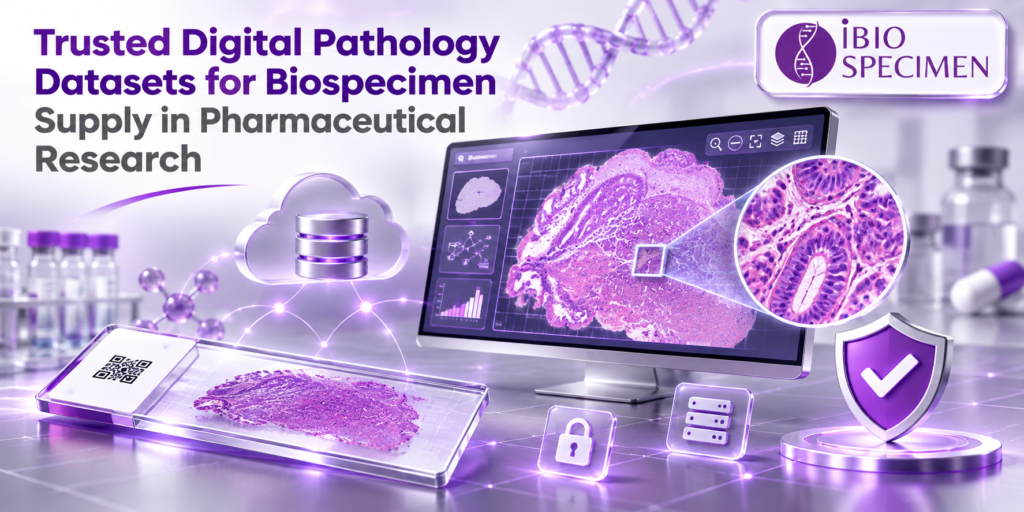
The pharmaceutical industry is undergoing a remarkable transformation driven by digital technologies, artificial intelligence (AI), and precision medicine. At the heart of this evolution lies the increasing demand for high-quality digital pathology datasets linked with clinically validated biospecimens. These datasets enable researchers to extract meaningful insights from tissue samples, improve diagnostic accuracy, accelerate biomarker discovery, and develop innovative therapies for complex diseases.
As pharmaceutical companies invest heavily in targeted therapies and personalized medicine, selecting a reliable Digital pathology datasets for biospecimens supplier has become more important than ever. High-resolution pathology images, combined with comprehensive clinical annotations and molecular information, provide researchers with an unprecedented opportunity to understand disease progression at the cellular level.
Whether developing AI-powered diagnostic tools, validating biomarkers, or conducting translational research, organizations increasingly seek trusted partners that can provide ethically sourced, well-annotated, and research-ready pathology datasets.
In this comprehensive guide, we’ll explore how digital pathology datasets are transforming pharmaceutical research, why biospecimen quality matters, and what to consider when choosing a trusted supplier.
Digital Pathology Datasets for Biospecimens Supplier: The Foundation of Modern Pharmaceutical Research
Digital pathology has evolved far beyond simply scanning microscope slides. Today, it encompasses an entire ecosystem of digitized histopathology images, patient metadata, molecular information, and AI-compatible annotations.
A trusted Digital pathology datasets for biospecimens supplier delivers:
- High-resolution whole-slide images (WSIs)
- Corresponding FFPE and fresh tissue biospecimens
- Clinical and demographic data
- Disease-specific annotations
- Molecular biomarker information
- Pathologist-reviewed image labels
- Regulatory-compliant sample collection
These integrated datasets help pharmaceutical companies identify disease patterns that may not be visible through conventional pathology alone.
Instead of relying solely on manual microscopic examination, researchers can now analyse thousands of tissue samples simultaneously using AI algorithms, significantly improving research efficiency.
Why Quality Matters
Poor-quality pathology datasets often result in:
- Inaccurate AI training
- Misidentified biomarkers
- Reduced reproducibility
- Increased research costs
- Delayed drug development
High-quality datasets eliminate these challenges by ensuring image consistency, verified diagnoses, and complete clinical information.
Buy Digital Pathology Datasets for Biospecimens to Accelerate Drug Discovery
The pharmaceutical industry’s shift toward precision medicine has dramatically increased demand for digital pathology resources.
When researchers Buy digital pathology datasets for biospecimens, they gain immediate access to valuable research materials without spending years collecting patient samples independently.
Benefits include:
Faster Biomarker Identification
Digitized pathology slides allow researchers to compare thousands of tissue samples rapidly, enabling quicker discovery of predictive biomarkers.
Reduced Research Time
Instead of establishing new clinical collaborations, pharmaceutical companies can immediately begin analysing curated datasets.
Cost Efficiency
Building an internal pathology repository requires:
- Clinical partnerships
- Ethics approvals
- Sample collection
- Slide preparation
- Digital scanning
- Data annotation
Purchasing professionally curated datasets significantly reduces these expenses.
Improved AI Development
Machine learning models require thousands of labelled images.
Commercial datasets provide:
- Consistent imaging
- Expert annotations
- Standardized quality
- Diverse disease representation
This dramatically improves algorithm performance.
Digital Pathology Datasets for Pharmaceutical Research: Supporting Precision Medicine
Precision medicine depends on understanding why patients respond differently to identical treatments.
Modern Digital pathology datasets for pharmaceutical research combine tissue morphology with molecular data, enabling researchers to identify:
- Treatment responders
- Non-responders
- Disease subtypes
- Mutation-associated tissue changes
- Immune cell distribution
- Tumour microenvironment characteristics
These insights help pharmaceutical companies develop therapies targeted to specific patient populations.
Key Applications
Digital pathology datasets are widely used for:
- Oncology drug development
- Companion diagnostics
- Biomarker validation
- Clinical trial enrichment
- Toxicology studies
- Immunotherapy research
- Rare disease investigations
The integration of pathology images with genomic and proteomic information creates a multidimensional understanding of disease.
Human Digital Pathology Datasets Provider: Delivering Research-Ready Clinical Data
Selecting a reliable Human digital pathology datasets provider involves much more than purchasing digital slide images.
The best providers deliver complete research ecosystems containing:
High-Resolution Whole Slide Images
Images scanned at:
- 20× magnification
- 40× magnification
- Multiple staining protocols
- Diagnostic-quality resolution
Clinical Metadata
Researchers require detailed patient information such as:
- Age
- Gender
- Disease stage
- Treatment history
- Survival outcomes
- Smoking status
- Ethnicity (where appropriate and ethically collected)
- Laboratory values
Molecular Data
Many studies benefit from integrated:
- DNA sequencing
- RNA sequencing
- Immunohistochemistry (IHC)
- FISH analysis
- Mutation status
- Protein expression
These combined datasets provide significantly greater research value than pathology images alone.
Digital Pathology Biospecimen Supplier: Ensuring Sample Integrity
The quality of pathology images depends heavily on the underlying biospecimens.
A professional Digital pathology biospecimen supplier follows rigorous quality control processes throughout sample collection and processing.
These typically include:
Standardized Collection
Samples are collected according to validated Standard Operating Procedures (SOPs), minimizing variability across collection sites.
Tissue Preservation
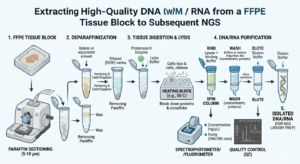
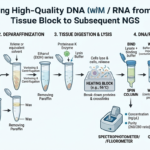
Appropriate preservation methods ensure that tissue morphology and molecular integrity remain intact. Common preservation techniques include FFPE (Formalin-Fixed Paraffin-Embedded) and fresh frozen tissues, each suited to different research applications.
Pathologist Verification
Board-certified pathologists review tissue sections to confirm diagnoses, assess tumour content, and verify that samples meet research requirements before digitization.
Quality Assurance
Leading suppliers implement quality assurance measures such as:
- Histological review
- Image quality assessment
- Clinical data verification
- Sample traceability
- Compliance with ethical and regulatory standards
This rigorous process ensures datasets are reliable, reproducible, and suitable for pharmaceutical research.
Why Pharmaceutical Companies Are Investing in Digital Pathology
Several trends are driving the rapid adoption of digital pathology datasets in pharmaceutical research:
- Increased use of AI and machine learning in pathology
- Growing demand for precision medicine
- Expansion of biomarker-driven clinical trials
- Need for faster drug discovery timelines
- Rising importance of companion diagnostics
- Improved collaboration through cloud-based pathology platforms
- Availability of large, annotated digital pathology repositories
By integrating digital pathology into research workflows, pharmaceutical companies can make more informed decisions, reduce development timelines, and improve the likelihood of clinical success.
Whole Slide Imaging Datasets for Research: Enabling Large-Scale Tissue Analysis
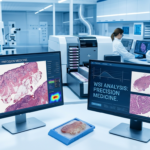
One of the most significant advancements in pathology has been the introduction of Whole slide imaging datasets for research. Whole Slide Imaging (WSI) converts traditional glass microscope slides into ultra-high-resolution digital images that can be viewed, analysed, and shared anywhere in the world.
Unlike conventional microscopy, which limits researchers to examining one slide at a time, WSI enables the analysis of thousands of tissue sections simultaneously using advanced image analysis software and artificial intelligence (AI).
Benefits of Whole Slide Imaging
Whole slide imaging offers several advantages for pharmaceutical research:
- Faster pathological review
- Improved collaboration among global research teams
- Long-term digital archiving
- Reduced risk of slide damage or loss
- Enhanced image sharing for multi-centre clinical studies
- Improved reproducibility across research projects
These benefits are particularly valuable in drug discovery programmes where consistency and scalability are essential.
Applications in Pharmaceutical Research
High-quality Whole slide imaging datasets for research are widely used for:
- Cancer tissue characterisation
- Histological grading
- Tumour microenvironment analysis
- Drug efficacy assessment
- Biomarker validation
- Toxicology studies
- Clinical trial pathology review
With thousands of digital slides available for algorithm training, researchers can develop more accurate predictive models for disease diagnosis and therapeutic response.
AI-Ready Digital Pathology Datasets: Powering the Next Generation of Diagnostics
Artificial intelligence is rapidly transforming pathology. However, even the most sophisticated AI algorithms are only as effective as the data used to train them. This is why pharmaceutical companies increasingly rely on AI-ready digital pathology datasets.
These datasets are specifically curated to support machine learning, deep learning, and computer vision applications.
Characteristics of AI-Ready Datasets
A robust AI-ready dataset typically includes:
- High-resolution whole-slide images
- Standardised image formats
- Consistent scanning protocols
- Expert pathological annotations
- Verified clinical diagnoses
- Rich metadata
- Balanced representation across disease stages
- Quality-controlled image acquisition
Such datasets minimise variability and improve algorithm performance.
Why AI Needs Large Digital Pathology Collections
Deep learning models often require tens of thousands of annotated pathology images.
Large datasets enable algorithms to recognise:
- Tumour boundaries
- Cellular morphology
- Necrotic regions
- Immune cell infiltration
- Stromal architecture
- Tissue heterogeneity
- Disease progression patterns
As a result, AI models become more accurate, reliable, and clinically useful.
AI Applications in Pharmaceutical Research
Pharmaceutical companies use AI-ready pathology datasets for:
- Automated tumour detection
- Companion diagnostic development
- Predictive biomarker identification
- Drug response prediction
- Patient stratification
- Digital pathology workflow automation
- Clinical decision support systems
These innovations significantly reduce manual workloads while increasing diagnostic consistency.
Annotated Digital Pathology Datasets Supplier: Delivering Expert-Validated Research Resources
Accurate annotations are among the most valuable components of digital pathology datasets. An experienced Annotated digital pathology datasets supplier provides images reviewed and labelled by expert pathologists, ensuring high-quality data for both research and AI development.
Types of Pathology Annotations
Annotations may include:
- Tumour outlines
- Cell segmentation
- Tissue classification
- Immune cell localisation
- Mitotic figures
- Regions of necrosis
- Blood vessel identification
- Fibrosis mapping
- Normal versus diseased tissue regions
These detailed annotations allow AI models to learn from clinically meaningful features rather than relying solely on raw image data.
Advantages of Expert Annotation
Professionally annotated datasets offer several benefits:
- Improved AI accuracy
- Reduced model bias
- Faster algorithm training
- Better reproducibility
- Easier validation of research findings
- Increased confidence in study outcomes
For pharmaceutical organisations developing AI-assisted diagnostics, high-quality annotations are indispensable.
Oncology Digital Pathology Datasets: Driving Breakthroughs in Cancer Research
Cancer remains one of the most active areas of pharmaceutical innovation. Comprehensive Oncology digital pathology datasets play a vital role in helping researchers understand tumour biology and develop more effective therapies.
Modern oncology datasets combine digital pathology with molecular profiling, genomic sequencing, and clinical outcomes, enabling researchers to study cancer from multiple perspectives.
Common Cancer Types Included
Leading suppliers typically provide datasets covering:
- Breast cancer
- Lung cancer
- Colorectal cancer
- Ovarian cancer
- Prostate cancer
- Pancreatic cancer
- Liver cancer
- Brain tumours
- Melanoma
- Haematological malignancies
Availability across multiple cancer types allows researchers to investigate disease-specific characteristics and compare tumour behaviour.
Supporting Precision Oncology
Digital pathology helps researchers evaluate:
- Tumour heterogeneity
- Immune checkpoint expression
- Stromal composition
- Angiogenesis
- Metastatic potential
- Cellular proliferation
- Tumour-infiltrating lymphocytes (TILs)
These insights are essential for designing targeted therapies and immunotherapies tailored to individual patients.
Histopathology Image Datasets for Drug Discovery: Accelerating Therapeutic Development
The drug development process increasingly relies on Histopathology image datasets for drug discovery to assess how experimental therapies affect tissues at the microscopic level.
Digital pathology enables pharmaceutical scientists to evaluate treatment responses with greater speed and precision than traditional manual assessment.
Drug Discovery Applications
Histopathology datasets support:
- Target validation
- Lead optimisation
- Preclinical toxicology
- Pharmacodynamic studies
- Mechanism-of-action research
- Tissue response evaluation
- Safety assessment
Researchers can compare treated and untreated tissues to identify subtle morphological changes associated with therapeutic efficacy or toxicity.
Reducing Development Timelines
Traditional pathology workflows often involve manual slide review, which can be time-consuming and subjective.
Digital pathology introduces:
- Automated image analysis
- AI-assisted quantification
- Rapid data sharing
- Cloud-based collaboration
- Standardised evaluation criteria
These efficiencies help pharmaceutical companies make faster, data-driven decisions throughout the drug development lifecycle.
Digital Pathology Data for Biomarker Research: Unlocking New Therapeutic Opportunities
Biomarkers are central to modern pharmaceutical research, guiding patient selection, treatment monitoring, and clinical trial design. Digital pathology data for biomarker research provides the visual and molecular context needed to discover and validate these critical indicators.
Types of Biomarkers Supported
Digital pathology datasets can facilitate the study of:
- Diagnostic biomarkers
- Prognostic biomarkers
- Predictive biomarkers
- Pharmacodynamic biomarkers
- Response biomarkers
- Resistance biomarkers
By integrating tissue morphology with molecular and clinical information, researchers gain a more comprehensive understanding of disease mechanisms.
Integration with Multi-Omics Data
Modern biomarker studies often combine digital pathology with:
- Genomics
- Transcriptomics
- Proteomics
- Metabolomics
- Immunophenotyping
This multi-omics approach enables researchers to identify correlations between microscopic tissue features and underlying molecular alterations.
Improving Clinical Trial Success
Digital pathology data helps pharmaceutical companies:
- Select appropriate patient populations
- Validate companion diagnostics
- Monitor treatment response
- Assess disease progression
- Improve endpoint evaluation
- Enhance trial reproducibility
The result is more efficient clinical development and a greater likelihood of regulatory success.
Best Practices for Selecting Digital Pathology Datasets
When evaluating a dataset provider, pharmaceutical researchers should consider:
- Image quality and scanning resolution
- Availability of expert annotations
- Comprehensive clinical metadata
- Linked molecular data
- Diverse disease representation
- Ethical sourcing and informed consent
- Regulatory compliance
- Standardised quality control procedures
- Secure data management and traceability
- Scalability to support future research needs
A trusted supplier that meets these criteria can significantly enhance research outcomes and reduce project risks.
Clinical Pathology Datasets for Pharmaceutical Research: Improving Drug Development Outcomes
As pharmaceutical companies continue to invest in precision medicine, immunotherapy, and targeted therapies, access to comprehensive Clinical pathology datasets for pharmaceutical research has become a strategic advantage. These datasets combine high-resolution pathology images with detailed clinical information, enabling researchers to make more informed decisions throughout the drug development process.
Unlike standalone pathology images, clinical pathology datasets include valuable patient information such as diagnosis, disease stage, treatment history, laboratory findings, pathology reports, follow-up outcomes, and, where available, molecular profiling. This integration allows pharmaceutical scientists to correlate tissue morphology with clinical outcomes, resulting in more meaningful research findings.
Key Benefits of Clinical Pathology Datasets
High-quality clinical pathology datasets support:
- Patient stratification for clinical trials
- Identification of treatment-responsive populations
- Companion diagnostic development
- Biomarker discovery and validation
- Drug efficacy assessment
- Safety evaluation
- Longitudinal disease monitoring
These datasets help reduce uncertainty during drug development and improve the probability of successful clinical trials.
Supporting Precision Medicine
Modern therapeutics increasingly rely on identifying the right treatment for the right patient. Clinical pathology datasets provide the evidence needed to understand disease variability and treatment response, allowing pharmaceutical companies to develop personalised treatment strategies.
Digital Pathology Biospecimen Procurement Services: Connecting Researchers with High-Quality Samples
Obtaining high-quality biospecimens remains one of the biggest challenges in pharmaceutical research. Professional Digital pathology biospecimen procurement services simplify this process by sourcing ethically collected, clinically characterised, and research-ready tissue samples linked to corresponding digital pathology images.
These services eliminate the complexity of establishing multiple clinical partnerships while ensuring researchers receive well-documented biospecimens suitable for advanced research.
Comprehensive Procurement Solutions
Leading procurement providers typically offer:
- Fresh tissue samples
- Matched tumour and normal tissues
- Tissue microarrays
- Rare disease specimens
- Oncology biospecimens
- Histopathology slides
- Corresponding whole-slide images
This broad portfolio enables researchers to select samples that precisely match their study objectives.
Ethical and Regulatory Compliance
Trusted procurement services maintain strict adherence to:
- Institutional Review Board (IRB) approvals
- Informed consent requirements
- Patient privacy regulations
- International ethical standards
- Sample traceability
- Quality management systems
These measures ensure that biospecimens are suitable for pharmaceutical research while maintaining donor confidentiality and regulatory compliance.
FFPE Digital Pathology Datasets Provider: Preserving Valuable Clinical Information
Formalin-Fixed Paraffin-Embedded (FFPE) tissues remain one of the most widely used sample types in pathology research. An experienced FFPE digital pathology datasets provider offers access to extensive collections of digitised FFPE slides linked with valuable clinical and molecular information.
Because hospitals routinely preserve surgical specimens using FFPE methods, these archives represent decades of clinically characterised patient samples.
Advantages of FFPE Datasets
FFPE digital pathology datasets provide:
- Long-term sample stability
- Excellent tissue morphology
- Large retrospective patient cohorts
- Availability across numerous disease types
- Compatibility with immunohistochemistry
- Molecular testing compatibility
- High-resolution digital imaging
These characteristics make FFPE datasets invaluable for retrospective biomarker studies and AI algorithm development.
Applications in Pharmaceutical Research
Researchers use FFPE datasets for:
- Biomarker validation
- Companion diagnostic development
- Immunotherapy studies
- Histological classification
- AI model training
- Clinical trial support
- Translational medicine
- Retrospective research
Their extensive availability makes FFPE samples one of the most important resources in modern pathology.
High-Quality Digital Pathology Datasets for Life Science Research: Supporting Scientific Innovation
Academic institutions, biotechnology companies, contract research organisations (CROs), diagnostic developers, and pharmaceutical companies all depend on High-quality digital pathology datasets for life science research.
These datasets fuel innovation across numerous scientific disciplines by providing reliable visual and clinical evidence for disease investigation.
Life Science Applications
High-quality datasets are widely used for:
- Oncology research
- Neuroscience
- Infectious disease studies
- Autoimmune disease research
- Cardiovascular research
- Metabolic disease investigations
- Rare disease studies
- Regenerative medicine
- Cell therapy development
- Gene therapy research
Because many diseases involve microscopic tissue changes, digital pathology has become an indispensable component of life science research.
Features of Premium Digital Pathology Datasets
Researchers should look for datasets offering:
- High-resolution whole-slide images
- Standardised image acquisition
- Pathologist-reviewed diagnoses
- Rich clinical metadata
- Molecular annotations
- Diverse patient populations
- Multiple staining techniques
- Excellent image quality
- Quality assurance documentation
Premium datasets reduce research variability while increasing reproducibility across studies.
Emerging Trends in Digital Pathology for Pharmaceutical Research
Digital pathology continues to evolve rapidly, driven by advances in artificial intelligence, cloud computing, and precision medicine.
Artificial Intelligence Integration
AI algorithms are becoming increasingly sophisticated, enabling:
- Automated tumour detection
- Cell counting
- Tissue segmentation
- Cancer grading
- Prognostic modelling
- Image quality assessment
As AI continues to mature, digital pathology datasets will become even more valuable for algorithm development and clinical validation.
Cloud-Based Collaboration
Cloud platforms allow researchers worldwide to:
- Access pathology images remotely
- Collaborate in real time
- Share annotations
- Conduct virtual pathology reviews
- Accelerate multinational clinical studies
This global accessibility significantly improves research efficiency.
Multi-Modal Data Integration
Future datasets will increasingly combine:
- Digital pathology
- Genomics
- Transcriptomics
- Proteomics
- Radiology
- Electronic health records
- Clinical outcomes
Such integrated datasets will provide deeper insights into disease biology and therapeutic response.
Digital Twins and Predictive Medicine
Researchers are exploring digital twins—virtual representations of patients that integrate pathology, genomic, imaging, and clinical data. These models may eventually support personalised treatment planning and predict therapeutic outcomes before treatment begins.
How to Choose the Right Digital Pathology Datasets Supplier
Selecting the right supplier can significantly influence the success of pharmaceutical research programmes.
Evaluate Dataset Quality
Choose suppliers offering:
- High-resolution digital slides
- Consistent image quality
- Expert pathological review
- Standardised scanning protocols
Verify Clinical Documentation
Ensure datasets include:
- Complete pathology reports
- Clinical history
- Treatment information
- Disease staging
- Follow-up data
Assess Annotation Standards
High-quality annotations should be generated or reviewed by experienced pathologists and include clearly defined regions of interest.
Confirm Regulatory Compliance
Reliable suppliers should demonstrate compliance with applicable ethical, legal, and quality standards, including informed consent and robust quality management practices.
Look for Customisation
Every research project has unique requirements. The best providers can source disease-specific samples, generate custom datasets, and tailor metadata to meet project objectives.
Why iBiospecimens Is a Trusted Partner for Digital Pathology Research
For organisations seeking reliable digital pathology resources, iBiospecimens provides comprehensive biospecimen procurement and digital pathology solutions tailored to pharmaceutical, biotechnology, diagnostic, and academic research.
Researchers benefit from:
- Extensive disease-specific biospecimen collections
- High-resolution digital pathology datasets
- Whole-slide imaging resources
- Annotated pathology images
- FFPE and fresh frozen tissue collections
- Comprehensive clinical metadata
- Molecular characterisation
- Ethical sourcing and regulatory compliance
- Custom procurement solutions
- Global research support
By combining high-quality biospecimens with expertly curated digital pathology datasets, iBiospecimens enables researchers to accelerate drug discovery, validate biomarkers, and develop next-generation diagnostics with confidence.
Frequently Asked Questions (FAQs)
1. What are digital pathology datasets?
Digital pathology datasets consist of digitised pathology slides, usually whole-slide images, accompanied by clinical, pathological, and sometimes molecular data for research and diagnostic development.
2. Why are digital pathology datasets important for pharmaceutical research?
They enable researchers to develop AI algorithms, identify biomarkers, evaluate treatment responses, support clinical trials, and accelerate drug discovery.
3. What is the advantage of annotated pathology datasets?
Expert annotations improve the accuracy of image analysis, machine learning models, and biomarker validation by identifying clinically significant regions within tissue samples.
4. Why are FFPE digital pathology datasets widely used?
FFPE samples provide long-term tissue preservation, excellent morphology, and access to extensive retrospective patient cohorts, making them ideal for translational research.
5. How do digital pathology datasets support AI development?
AI models require thousands of high-quality labelled images for training and validation. Curated datasets improve algorithm performance, reproducibility, and clinical relevance.
Conclusion
Digital pathology is transforming pharmaceutical research by providing unprecedented access to high-resolution tissue images, rich clinical metadata, and integrated molecular information. Whether supporting biomarker discovery, companion diagnostic development, artificial intelligence, or precision medicine, these datasets are reshaping how researchers understand disease and develop innovative therapies.
Choosing a trusted Digital pathology datasets for biospecimens supplier ensures access to ethically sourced, expertly annotated, and clinically validated resources that accelerate scientific discovery and improve research quality. From Whole slide imaging datasets for research and AI-ready digital pathology datasets to Clinical pathology datasets for pharmaceutical research, Digital pathology biospecimen procurement services, FFPE digital pathology datasets, and High-quality digital pathology datasets for life science research, comprehensive digital pathology solutions empower organisations to reduce development timelines and bring life-changing treatments to patients faster.
As the demand for precision medicine continues to grow, partnering with an experienced provider such as iBiospecimens offers pharmaceutical companies, biotechnology firms, CROs, and academic researchers the confidence and flexibility needed to drive innovation. With access to high-quality biospecimens, expertly curated digital pathology datasets, and customised procurement services, researchers are better equipped to accelerate drug discovery, validate biomarkers, and shape the future of healthcare.