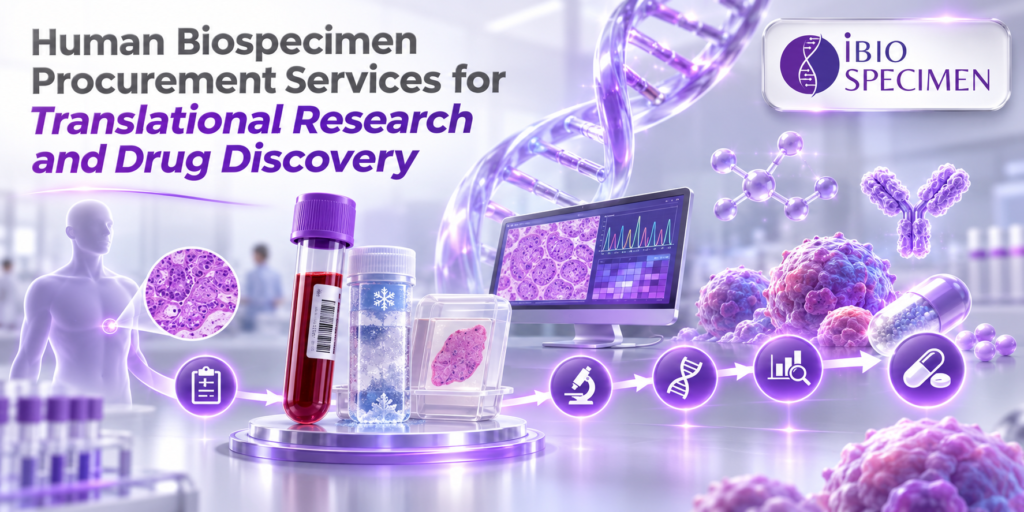
Translational research and drug discovery are at the forefront of modern biomedical science, bridging the gap between laboratory findings and clinical applications. These fields rely heavily on access to high-quality human biospecimens, which provide the biological material necessary for understanding disease mechanisms, identifying therapeutic targets, and validating biomarkers. As pharmaceutical and biotechnology companies continue to pursue innovative therapies, human biospecimen procurement services for translational research have become indispensable.
Human biospecimen procurement services involve the collection, processing, storage, and distribution of biological samples such as whole blood, tissue, plasma, serum, urine, and other specimen types. These samples are accompanied by relevant clinical and demographic data, enabling researchers to conduct meaningful analyses and generate reliable results. By ensuring access to ethically sourced and well-characterized biospecimens, procurement services support a wide range of research applications, including oncology, immunotherapy, genomic research, proteomic research, and precision medicine.
This article explores the critical role of human biospecimen procurement services in translational research and drug discovery, highlighting their applications in pharmaceutical research, clinical research, biomarker discovery, therapeutic development, and personalized medicine.
Human Biospecimen Procurement Services for Translational Research
Human biospecimen procurement services for translational research are essential for converting basic scientific discoveries into clinical applications. Translational research seeks to understand how molecular and cellular findings can be applied to improve patient care, and human biospecimens provide the necessary link between laboratory studies and real-world disease conditions.
Researchers use biospecimens to investigate disease pathways, identify potential therapeutic targets, and evaluate the biological effects of experimental treatments. Access to well-preserved and clinically annotated specimens allows scientists to correlate molecular findings with patient outcomes, thereby enhancing the relevance and applicability of their research.
Procurement services also facilitate collaboration between academic institutions, hospitals, pharmaceutical companies, and biotechnology firms. By providing standardized sample collection and handling procedures, these services ensure that biospecimens are suitable for a variety of analytical techniques, including molecular diagnostics, sequencing, proteomics, and biomarker analysis.
Human Biospecimen Procurement Services for Drug Discovery
Human biospecimen procurement services for drug discovery play a pivotal role in identifying and validating new therapeutic targets. Drug discovery begins with understanding the molecular basis of disease, and human biospecimens provide direct insight into the biological processes occurring within affected tissues and organs.
By analyzing biospecimens from patients with specific diseases, researchers can identify genetic mutations, protein expression patterns, signaling pathways, and immune responses associated with disease progression. These findings help researchers prioritize targets for therapeutic intervention and design compounds that specifically address the underlying mechanisms of disease.
In addition, biospecimen procurement services support preclinical research by supplying samples for target validation studies. Researchers can compare diseased and healthy specimens to determine whether a potential target is consistently associated with the disease state. This information is critical for selecting the most promising candidates for further drug development.
Human Biospecimen Procurement Services for Pharmaceutical Research
Human biospecimen procurement services for pharmaceutical research are fundamental to the development of safe and effective therapies. Pharmaceutical companies rely on biospecimens throughout the research and development process, from early-stage target identification to clinical trial biomarker analysis.
High-quality biospecimens enable pharmaceutical researchers to evaluate drug efficacy, investigate mechanisms of action, and monitor treatment-induced molecular changes. For example, tissue samples can be analyzed to assess target expression, while blood samples may be used to measure pharmacodynamic biomarkers and immune responses.
Reliable procurement services ensure that biospecimens meet stringent quality standards and are collected in compliance with ethical and regulatory requirements. This reliability is essential for generating reproducible data and supporting regulatory submissions for new therapies.
Human Biospecimen Procurement Services for Clinical Research
Human biospecimen procurement services for clinical research provide investigators with access to biological samples needed for studying disease progression, treatment response, and patient outcomes. Clinical research often requires longitudinal sample collection, allowing researchers to monitor changes in biomarkers over time.
Biospecimens collected during clinical trials can be used to identify predictive biomarkers, evaluate safety profiles, and assess therapeutic efficacy. These analyses contribute to a better understanding of how patients respond to treatment and help identify subgroups that may benefit most from specific therapies.
Procurement services also support observational studies and epidemiological research by supplying specimens linked to clinical and demographic data. Such studies can reveal associations between biological markers and disease risk, progression, or prognosis, thereby informing future therapeutic strategies.
Human Biospecimen Procurement Services for Biomarker Discovery
Human biospecimen procurement services for biomarker discovery are crucial for identifying molecular indicators of disease, treatment response, and prognosis. Biomarkers can include genetic mutations, protein expression patterns, metabolites, and immune-related markers that provide valuable information about disease biology.
Access to diverse and well-characterized biospecimens allows researchers to compare molecular profiles across different patient populations and disease stages. This comparative analysis can reveal biomarkers associated with disease onset, progression, or therapeutic response.
Once potential biomarkers are identified, additional biospecimens are needed for validation studies. Procurement services facilitate this process by providing samples from independent cohorts, enabling researchers to confirm the clinical utility and reproducibility of their findings.
Human Biospecimen Procurement Services for Precision Medicine Research
Human biospecimen procurement services for precision medicine research support the development of individualized treatment strategies based on the unique molecular characteristics of each patient. Precision medicine aims to match patients with therapies that are most likely to be effective for their specific disease profile.
Biospecimens are essential for identifying genetic alterations, gene expression patterns, and other molecular features that influence treatment response. By analyzing these characteristics, researchers can develop diagnostic tests and therapeutic strategies tailored to individual patients.
Procurement services also enable the study of rare disease subtypes and uncommon molecular alterations. Access to specialized biospecimen collections helps researchers investigate targeted therapies for patient populations that may otherwise be underrepresented in research.
Human Biospecimen Procurement Services for Oncology Research
Human biospecimen procurement services for oncology research are particularly important because cancer is a highly heterogeneous disease with diverse molecular and cellular characteristics. Oncology research relies on access to tumor tissue, blood samples, and other biospecimens to study cancer biology and develop new treatments.
Tumor biospecimens allow researchers to analyze genetic mutations, protein expression, tumor microenvironment interactions, and mechanisms of metastasis. These studies contribute to the identification of therapeutic targets and the development of targeted cancer therapies.
Biospecimen procurement services also support the evaluation of biomarkers associated with treatment response and resistance. This information is critical for optimizing cancer treatment strategies and improving patient outcomes.
Human Biospecimen Procurement Services for Immunotherapy Research
Human biospecimen procurement services for immunotherapy research are essential for understanding how the immune system interacts with disease and responds to therapeutic interventions. Immunotherapy research often requires access to blood, tissue, and immune cell samples for analyzing immune responses and identifying predictive biomarkers.
Researchers use biospecimens to evaluate immune cell populations, cytokine profiles, checkpoint molecule expression, and other markers of immune activity. These analyses help determine which patients are most likely to benefit from immunotherapies and provide insights into mechanisms of response and resistance.
Procurement services also support the development of novel immunotherapies by supplying samples for preclinical studies and clinical trial biomarker analyses. Access to high-quality biospecimens is critical for advancing immuno-oncology and other immune-based therapeutic approaches.
Human Biospecimen Procurement Services for Genomic Research
Human biospecimen procurement services for genomic research provide the DNA and RNA samples necessary for investigating genetic contributions to disease. Genomic research has revolutionized biomedical science by enabling researchers to identify mutations, gene fusions, copy number variations, and other genomic alterations associated with disease.
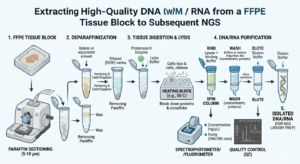
High-quality biospecimens are essential for accurate sequencing and genomic analysis. Procurement services ensure that samples are collected, processed, and stored under conditions that preserve nucleic acid integrity.
Genomic research supported by biospecimen procurement services contributes to the discovery of disease-associated genes, the identification of therapeutic targets, and the development of precision medicine approaches. These findings have broad applications across oncology, rare diseases, infectious diseases, and other areas of biomedical research.
Human Biospecimen Procurement Services for Proteomic Research
Human biospecimen procurement services for proteomic research support the study of protein expression, modification, and interaction in health and disease. Proteomic research provides insights into cellular processes and can reveal biomarkers that are not detectable through genomic analysis alone.
Biospecimens such as tissue, plasma, serum, and urine are commonly used in proteomic studies. Procurement services ensure that these samples are collected and handled in a manner that preserves protein stability and minimizes degradation.
Proteomic research contributes to biomarker discovery, target identification, and the understanding of disease mechanisms. By integrating proteomic data with genomic and clinical information, researchers can develop more comprehensive models of disease biology and therapeutic response.
Human Biospecimen Procurement Services for Drug Development
Human biospecimen procurement services for drug development support every stage of the therapeutic development pipeline. From target identification and validation to clinical trial biomarker analysis, biospecimens provide the biological context necessary for evaluating investigational therapies.
During preclinical development, biospecimens are used to assess target expression and investigate disease mechanisms. In clinical development, samples collected from trial participants can be analyzed to monitor pharmacodynamic effects, identify predictive biomarkers, and evaluate treatment response.
Procurement services also facilitate the development of companion diagnostics, which are tests used to identify patients who are most likely to benefit from a specific therapy. These diagnostics are increasingly important in precision medicine and targeted therapy development.
Human Biospecimen Procurement Services for Translational Medicine
Human biospecimen procurement services for translational medicine help bridge the gap between scientific discovery and clinical application. Translational medicine focuses on applying research findings to improve diagnosis, treatment, and prevention of disease.
Biospecimens provide the biological material needed to validate laboratory discoveries in human populations. Researchers can use these samples to confirm the relevance of potential biomarkers, therapeutic targets, and disease mechanisms identified in preclinical studies.
Procurement services also support the integration of molecular data with clinical outcomes, enabling researchers to evaluate the real-world impact of their findings. This translational approach accelerates the development of diagnostic tools and therapeutic interventions that benefit patients.
Human Biospecimen Procurement Services for Therapeutic Research
Human biospecimen procurement services for therapeutic research provide investigators with access to samples needed for evaluating novel treatment strategies. Therapeutic research encompasses the study of new drugs, biologics, cell therapies, gene therapies, and combination treatment approaches.
Biospecimens allow researchers to investigate how therapies affect molecular pathways, immune responses, and disease progression. These analyses help determine whether a treatment is achieving its intended biological effect and identify potential biomarkers of response.
Access to diverse biospecimen collections also supports comparative studies across different patient populations and disease subtypes. This information is valuable for optimizing therapeutic strategies and designing more effective clinical trials.
Reliable Human Biospecimen Procurement Services for Research
Reliable human biospecimen procurement services for research are essential for ensuring the validity and reproducibility of scientific findings. Reliability depends on standardized collection procedures, proper sample handling, accurate documentation, and adherence to ethical and regulatory guidelines.
Researchers and pharmaceutical companies must be confident that the biospecimens they receive are of consistent quality and are accompanied by accurate clinical information. Reliable procurement services implement rigorous quality control measures to verify sample integrity and suitability for intended research applications.
Ethical sourcing is another critical aspect of reliability. Procurement providers must obtain informed consent, protect donor privacy, and comply with applicable regulations governing human subjects research. These practices ensure that biospecimens are collected and used responsibly.
High-Quality Human Biospecimen Procurement Services for Pharmaceutical Research
High-quality human biospecimen procurement services for pharmaceutical research are characterized by meticulous attention to sample quality, processing standards, and data integrity. Pharmaceutical research requires biospecimens that are suitable for sophisticated analytical techniques and capable of generating reliable results.
High-quality procurement services maintain standardized protocols for collection, processing, storage, and transportation. They also provide comprehensive documentation, including clinical annotations, demographic data, and sample handling records.
The use of high-quality biospecimens enhances the accuracy of molecular analyses, biomarker studies, and therapeutic evaluations. This, in turn, supports more efficient drug development, reduces the risk of experimental variability, and improves the likelihood of successful clinical outcomes.
Challenges and Future Directions in Human Biospecimen Procurement Services
Despite their importance, human biospecimen procurement services face several challenges. Variability in sample collection and processing can affect specimen quality and compromise research results. Maintaining adequate sample diversity is also essential for ensuring that research findings are applicable to broad patient populations.
Regulatory compliance and ethical considerations remain central to biospecimen procurement. Providers must navigate complex requirements related to informed consent, privacy protection, and international sample transfer while maintaining transparency and accountability.
Future advancements are expected to improve the efficiency and value of biospecimen procurement services. Innovations such as digital pathology, automated sample tracking, artificial intelligence-driven data analysis, and integrated multi-omics platforms will enhance the utility of biospecimens in translational research and drug discovery.
The Critical Role of Human Biospecimen Procurement Services in Translational Research and Drug Discovery
Human biospecimen procurement services for translational research and human biospecimen procurement services for drug discovery are indispensable for advancing biomedical science and improving patient care. These services provide researchers with access to high-quality, ethically sourced biological samples that support biomarker discovery, molecular diagnostics, therapeutic research, and precision medicine.
From human biospecimen procurement services for pharmaceutical research and human biospecimen procurement services for clinical research to human biospecimen procurement services for oncology research, immunotherapy research, genomic research, and proteomic research, biospecimen procurement services contribute to every stage of the research and development continuum.
As the demand for personalized therapies and innovative treatment approaches continues to grow, reliable human biospecimen procurement services for research and high-quality human biospecimen procurement services for pharmaceutical research will remain essential for generating accurate, reproducible, and clinically relevant data. By enabling translational medicine and therapeutic research, these services play a critical role in accelerating drug development and bringing new therapies to patients worldwide.