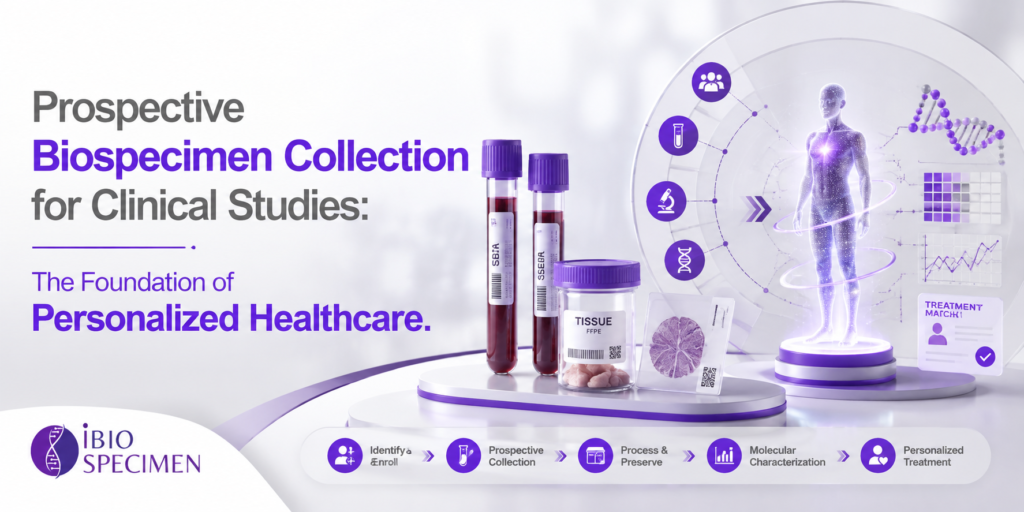
The evolution of personalized healthcare has transformed the way diseases are diagnosed, treated, and managed. Instead of relying on generalized treatment approaches, researchers and clinicians now focus on developing therapies tailored to individual patients based on their genetic, molecular, and clinical profiles. At the heart of this transformation lies prospective biospecimen collection, which provides researchers with fresh, clinically relevant human samples collected according to predefined study protocols.
Prospective biospecimen collection for clinical studies enables pharmaceutical companies, biotechnology firms, Contract Research Organizations (CROs), academic institutions, and diagnostic developers to obtain high-quality biological specimens that accurately reflect patient populations enrolled in ongoing clinical research. These biospecimens play a vital role in biomarker discovery, companion diagnostic development, drug discovery, translational medicine, and precision medicine.
Unlike retrospective collections that rely on previously stored specimens, prospective collections are performed specifically for research projects. Researchers can define patient eligibility criteria, sample collection timelines, processing requirements, and clinical data elements before recruitment begins. This level of customization significantly improves specimen quality and ensures that collected samples meet exact scientific objectives.
As precision medicine continues to expand across oncology, neurology, cardiology, immunology, and rare diseases, the demand for reliable prospective biospecimen collection services has never been greater.
Why Prospective Biospecimen Collection Is Essential for Clinical Studies
Modern clinical studies require biological samples that accurately represent current patient populations and reflect real-time disease progression. Prospective biospecimen collection provides researchers with complete control over sample acquisition, ensuring consistency throughout the study.
Unlike archived specimens, prospectively collected biospecimens are obtained under standardized protocols developed specifically for individual research projects.
This approach offers several advantages:
- Fresh, high-quality specimens
- Customized patient recruitment
- Consistent collection procedures
- Detailed clinical annotations
- Improved molecular integrity
- Better biomarker validation
- Higher research reproducibility
- Regulatory-compliant documentation
These advantages make prospective collections indispensable for precision medicine and translational research.
Prospective Biospecimen Collection for Clinical Studies: Building the Foundation for Precision Medicine
Prospective biospecimen collection for clinical studies involves recruiting patients according to predefined research protocols and collecting biological specimens during ongoing clinical care or research participation.
Unlike retrospective procurement, prospective collection allows researchers to specify:
- Disease indication
- Patient demographics
- Disease stage
- Treatment status
- Biomarker expression
- Sample type
- Collection schedule
- Processing requirements
This customized approach ensures that every biospecimen aligns with the scientific objectives of the study.
Common Biospecimen Types Collected Prospectively
Researchers may request:
-
- Peripheral Blood Mononuclear Cells (PBMCs)
- Bone marrow
- Saliva
- Cerebrospinal fluid (CSF)
- Cell-free DNA (cfDNA)
- Circulating tumor DNA (ctDNA)
Each biospecimen is collected under carefully controlled conditions to preserve biological integrity.
Clinical Annotation
Prospective collections often include comprehensive clinical information, such as:
- Confirmed diagnosis
- Disease subtype
- Disease stage
- Histopathology reports
- Treatment history
- Medication records
- Laboratory findings
- Molecular biomarker status
- Patient demographics
This rich clinical context greatly enhances the value of each biospecimen for translational research.
Prospective Biospecimen Collection Services: Delivering Customized Human Samples
Professional Prospective biospecimen collection services provide end-to-end support for researchers requiring protocol-specific biospecimens.
These services typically include:
- Study planning
- Site selection
- Patient recruitment
- Informed consent
- Biospecimen collection
- Sample processing
- Quality control
- Cold-chain logistics
- Regulatory documentation
Each step follows validated Standard Operating Procedures (SOPs) to ensure consistency and compliance.
Patient Recruitment
Recruitment begins by identifying patients who meet predefined study criteria.
Potential participants may be recruited through:
- Hospitals
- Academic medical centers
- Community healthcare facilities
- Specialty clinics
- Clinical trial sites
Researchers can define highly specific eligibility criteria based on:
- Disease diagnosis
- Biomarker status
- Treatment history
- Age
- Gender
- Ethnicity
- Disease severity
Customized recruitment increases the likelihood of obtaining clinically relevant biospecimens.
Ethical Sample Collection
Ethical procurement is a cornerstone of prospective biospecimen collection.
Participants receive detailed information regarding:
- Research objectives
- Sample collection procedures
- Privacy protection
- Future research use
- Voluntary participation
Written informed consent is obtained before sample collection begins.
Sample Processing
Collected specimens are processed immediately using validated protocols that preserve:
- DNA quality
- RNA integrity
- Protein stability
- Cellular viability
- Histological structure
Proper processing minimizes pre-analytical variability while improving downstream molecular analyses.
Prospective Biospecimen Provider for Clinical Research: Supporting Scientific Innovation
A trusted Prospective biospecimen provider for clinical research serves as a strategic partner by supplying researchers with ethically sourced human biospecimens that meet exact study requirements.
Professional providers collaborate with:
- Hospitals
- Pathology laboratories
- Academic institutions
- Clinical research organizations
- Healthcare networks
These collaborations provide access to diverse patient populations across numerous disease areas.
Research Areas Supported
Prospective biospecimen providers commonly support studies involving:
- Oncology
- Neurology
- Cardiology
- Endocrinology
- Autoimmune diseases
- Infectious diseases
- Rare diseases
- Regenerative medicine
Customized Collection Strategies
Researchers often require biospecimens from patients with very specific characteristics.
Providers can customize procurement based on:
- Disease subtype
- Biomarker expression
- Genetic mutations
- Treatment response
- Disease progression
- Medication exposure
Customized procurement improves study efficiency while increasing research accuracy.
Regulatory Compliance
Leading providers maintain strict compliance with applicable ethical and regulatory requirements by implementing:
- Standardized collection protocols
- Secure patient data management
- Comprehensive documentation
- Quality assurance systems
- Chain-of-custody tracking
These practices support regulatory submissions while strengthening research credibility.
Human Prospective Biospecimens for Research: Advancing Biomedical Discovery
Access to Human prospective biospecimens for research enables scientists to investigate diseases using biologically relevant specimens collected directly from patients participating in ongoing studies.
Human biospecimens preserve the molecular complexity of disease and accurately represent real-world patient populations.
Researchers use these specimens to investigate:
- Disease mechanisms
- Biomarker discovery
- Therapeutic targets
- Drug resistance
- Precision medicine
- Companion diagnostics
- Immunotherapy
- Gene expression
Advantages Over Retrospective Samples
Prospectively collected biospecimens offer several unique benefits:
- Fresh collection according to protocol
- Greater molecular integrity
- Standardized processing
- Consistent clinical annotation
- Flexible collection schedules
- Better control over patient selection
These advantages improve the reliability and reproducibility of scientific findings.
Advanced Molecular Applications
Human prospective biospecimens support technologies such as:
- Next-generation sequencing (NGS)
- Whole genome sequencing
- RNA sequencing
- Single-cell sequencing
- Flow cytometry
- Immunohistochemistry (IHC)
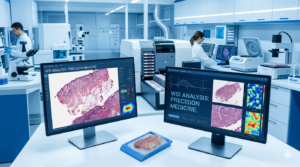
- Digital pathology
- Spatial transcriptomics
These technologies are driving breakthroughs in personalized medicine and targeted therapeutic development.
The Growing Importance of Prospective Biospecimen Collection
Several factors continue to increase global demand for prospective biospecimen procurement:
- Expansion of precision medicine
- Rising pharmaceutical R&D investment
- Growth in biomarker discovery
- Increasing clinical trials
- Advances in genomics
- Development of targeted therapies
- Companion diagnostic innovation
- Personalized healthcare initiatives
As biomedical research becomes increasingly specialized, customized prospective biospecimen collection has become essential for generating reliable scientific evidence.
Clinical Biospecimen Collection Provider: Delivering Reliable Human Samples for Clinical Research
A professional Clinical biospecimen collection provider plays a critical role in ensuring that researchers receive high-quality biological samples collected according to standardized clinical protocols. These providers act as the bridge between healthcare institutions and research organizations by coordinating patient recruitment, specimen collection, processing, storage, and transportation.
Unlike conventional sample repositories, clinical biospecimen collection providers customize every collection according to the scientific objectives of each study.
Their services support:
- Pharmaceutical companies
- Biotechnology organizations
- Contract Research Organizations (CROs)
- Academic medical centers
- Diagnostic developers
- Government research institutions
Standardized Collection Procedures
To ensure sample consistency, providers implement validated Standard Operating Procedures (SOPs) covering:
- Patient enrollment
- Specimen collection
- Labeling and tracking
- Sample processing
- Preservation methods
- Storage conditions
- Transportation logistics
These standardized workflows minimize pre-analytical variation, which is essential for generating reproducible research results.
Comprehensive Clinical Annotation
Each biospecimen is typically accompanied by valuable clinical information, including:
- Confirmed diagnosis
- Disease subtype
- Disease stage
- Histopathology findings
- Treatment history
- Laboratory test results
- Biomarker status
- Patient demographics
These annotations increase the scientific value of each specimen by allowing researchers to correlate molecular findings with clinical outcomes.
Prospective Biospecimen Procurement Services: Customized Collection for Research Success
Every clinical study has unique biospecimen requirements. Prospective biospecimen procurement services provide customized collection strategies that ensure investigators receive protocol-specific human samples aligned with their research goals.
Unlike retrospective procurement, prospective procurement allows researchers to define collection parameters before patient enrollment begins.
Customized Procurement Strategies
Researchers can specify:
- Disease indication
- Disease stage
- Biomarker expression
- Treatment status
- Age group
- Gender
- Ethnicity
- Sample type
- Collection timeline
This flexibility ensures that biospecimens meet exact scientific requirements.
End-to-End Procurement Management
Professional procurement providers manage every stage of the process, including:
- Study planning
- Clinical site selection
- Patient recruitment
- Ethical consent
- Sample collection
- Processing
- Quality assurance
- Cold-chain logistics
- Documentation
Comprehensive project management reduces operational complexity while improving study efficiency.
Benefits for Researchers
Prospective procurement services help researchers:
- Accelerate patient recruitment
- Obtain fresh, protocol-specific samples
- Improve sample consistency
- Reduce study delays
- Enhance data quality
- Support regulatory submissions
These advantages contribute to more successful clinical research programs.
Disease-Specific Prospective Biospecimen Supplier: Supporting Precision Research
Different diseases require different collection strategies and patient populations. A specialized Disease-specific prospective biospecimen supplier focuses on recruiting patients with well-defined medical conditions to support targeted biomedical research.
Oncology Biospecimens
Cancer research remains one of the largest applications for disease-specific procurement.
Frequently requested specimens include:
- Breast cancer tissue
- Lung cancer tissue
- Colorectal tumor tissue
- Pancreatic cancer tissue
- Ovarian cancer tissue
- Prostate cancer tissue
- Melanoma tissue
These biospecimens support:
- Biomarker discovery
- Immunotherapy development
- Companion diagnostics
- Precision oncology
- Drug resistance studies
Neurological Disorders
Disease-specific suppliers also collect biospecimens from patients diagnosed with:
- Alzheimer’s disease
- Parkinson’s disease
- Multiple sclerosis
- Epilepsy
These specimens support research into disease progression and novel therapeutic targets.
Autoimmune Diseases
Researchers frequently require samples from patients with:
- Rheumatoid arthritis
- Lupus
- Psoriasis
- Crohn’s disease
Disease-specific procurement enables more accurate investigations into inflammatory pathways and personalized treatment approaches.
Rare Diseases
Recruiting patients with rare conditions often requires collaboration across multiple hospitals and specialized treatment centers.
Experienced suppliers coordinate these complex recruitment efforts while maintaining high specimen quality.
High-Quality Prospective Biospecimens for Biomarker Research: Enabling Accurate Scientific Discoveries
The success of biomarker research depends on the quality of the biological specimens being analyzed. High-quality prospective biospecimens for biomarker research provide researchers with reliable molecular material suitable for advanced genomic and proteomic studies.
Why Quality Matters
Poor-quality biospecimens can result in:
- DNA degradation
- RNA instability
- Protein loss
- Experimental variability
- Inaccurate biomarker identification
High-quality specimens minimize these risks and improve research reproducibility.
Quality Control Measures
Leading procurement organizations implement rigorous quality assurance, including:
- Immediate specimen processing
- Controlled storage temperatures
- Continuous temperature monitoring
- Pathology confirmation
- DNA and RNA integrity assessment
- Chain-of-custody documentation
These measures preserve specimen quality from collection through laboratory analysis.
Applications in Biomarker Research
High-quality biospecimens support:
- Predictive biomarker discovery
- Prognostic biomarker validation
- Pharmacodynamic biomarker studies
- Companion diagnostic development
- Molecular profiling
- Precision medicine research
Reliable biospecimens increase confidence in research findings while accelerating therapeutic development.
Prospective Tissue Collection for Clinical Trials: Strengthening Translational Medicine
Human tissues collected prospectively are essential for evaluating investigational therapies during clinical trials. Prospective tissue collection for clinical trials ensures researchers receive protocol-specific tissue specimens collected at predefined study milestones.
Common Tissue Types
Clinical trials frequently require:
- Fresh tissue
- Fresh frozen tissue
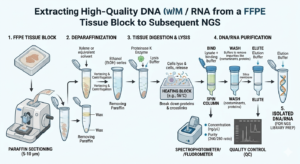
- FFPE tissue
- Matched tumor and adjacent normal tissue
- Healthy control tissue
Collection Timing
Prospective tissue collection may occur:
- Before treatment
- During treatment
- After treatment
- At disease recurrence
- During long-term follow-up
These longitudinal collections provide valuable insights into disease progression and therapeutic response.
Applications in Clinical Trials
Prospectively collected tissue supports:
- Biomarker validation
- Drug target confirmation
- Mechanism of action studies
- Treatment response monitoring
- Resistance mechanism analysis
- Companion diagnostic development
Standardized Tissue Handling
Professional collection teams follow validated procedures for:
- Tissue preservation
- Sample labeling
- Histopathological verification
- Cold-chain transportation
- Regulatory documentation
Consistent handling ensures tissue quality throughout multicenter clinical studies.
How Prospective Biospecimen Collection Accelerates Clinical Research
Prospective biospecimen collection offers several advantages that significantly improve research outcomes.
Improved Sample Consistency
Standardized collection protocols reduce variability between collection sites.
Better Molecular Integrity
Freshly collected biospecimens preserve DNA, RNA, proteins, and cellular structures required for advanced molecular analyses.
Flexible Study Design
Researchers can modify recruitment criteria as studies evolve.
Faster Biomarker Validation
Protocol-specific collections improve the efficiency of biomarker discovery and validation.
Enhanced Regulatory Compliance
Comprehensive documentation simplifies regulatory submissions while supporting clinical trial quality.
These benefits make prospective biospecimen procurement an indispensable component of modern biomedical research.
Prospective Blood Sample Collection Services: Supporting Biomarker Discovery and Clinical Research
Blood is one of the most frequently collected biospecimens in clinical research because it provides a minimally invasive way to study disease progression, therapeutic response, and molecular biomarkers. Prospective blood sample collection services ensure that blood specimens are collected according to study-specific protocols, preserving sample quality for downstream analyses.
Professional collection services can obtain various blood-derived biospecimens, including:
- Whole blood
- Plasma
- Serum
- Peripheral Blood Mononuclear Cells (PBMCs)
- Cell-free DNA (cfDNA)
- Circulating Tumor DNA (ctDNA)
- Buffy coat
- Peripheral blood RNA
Applications in Clinical Research
Prospectively collected blood samples support:
- Biomarker discovery
- Pharmacokinetic studies
- Pharmacodynamic assessments
- Liquid biopsy research
- Companion diagnostic development
- Immunotherapy studies
- Disease monitoring
Quality Assurance
Leading collection providers implement stringent quality measures such as:
- Standardized phlebotomy protocols
- Immediate processing
- Controlled centrifugation
- Temperature-monitored storage
- Cold-chain transportation
- Complete chain-of-custody documentation
These practices ensure specimen integrity and improve the reliability of molecular analyses.
Biospecimen Supplier for Precision Medicine Research: Enabling Personalized Healthcare
Precision medicine depends on identifying molecular differences among patients to deliver targeted therapies. A trusted Biospecimen supplier for precision medicine research provides researchers with clinically annotated human biospecimens that support this goal.
Supporting Molecular Profiling
Researchers use biospecimens to analyze:
- DNA mutations
- RNA expression
- Protein biomarkers
- Immune signatures
- Epigenetic changes
- Metabolic pathways
These analyses enable healthcare providers to tailor treatments to individual patient profiles.
Therapeutic Areas
Precision medicine research is rapidly expanding in:
- Oncology
- Neurology
- Cardiology
- Autoimmune diseases
- Rare genetic disorders
- Infectious diseases
High-quality biospecimens remain essential for developing precision diagnostics and targeted therapies across these fields.
Prospective Biospecimen Provider for Pharmaceutical Research: Accelerating Drug Development
A reliable Prospective biospecimen provider for pharmaceutical research supports drug development by supplying protocol-specific human biospecimens collected from carefully selected patient populations.
Drug Discovery Applications
Prospectively collected biospecimens contribute to:
- Target identification
- Lead optimization
- Mechanism of action studies
- Toxicology research
- Biomarker validation
- Clinical trial support
Pharmaceutical Advantages
Working with experienced biospecimen providers helps pharmaceutical companies:
- Shorten recruitment timelines
- Improve specimen consistency
- Enhance translational research
- Reduce operational complexity
- Strengthen regulatory submissions
These advantages ultimately accelerate the development of safer and more effective therapies.
Custom Prospective Biospecimen Collection for CROs: Meeting Complex Clinical Study Requirements
Contract Research Organizations (CROs) often manage multicenter clinical studies with highly specific biospecimen requirements. Custom prospective biospecimen collection for CROs offers flexible procurement strategies tailored to individual study protocols.
Customized Collection Options
Providers can recruit patients based on:
- Disease type
- Disease stage
- Biomarker status
- Treatment response
- Age
- Gender
- Ethnicity
- Genetic mutations
Multicenter Coordination
Custom collection services include:
- Site selection
- Investigator training
- Patient recruitment
- Specimen collection
- Quality control
- Logistics management
- Regulatory documentation
This end-to-end support enables CROs to focus on study execution while procurement experts manage biospecimen operations.
Prospective Biospecimen Sourcing Company for Drug Discovery Research: Fueling Biomedical Innovation
Drug discovery requires biologically relevant human samples collected under controlled conditions. A trusted Prospective biospecimen sourcing company for drug discovery research provides customized biospecimen solutions that support every stage of pharmaceutical and biotechnology research.
Areas Supported
Prospective biospecimen sourcing contributes to:
- Oncology research
- Neuroscience
- Cardiovascular research
- Immunology
- Rare disease research
- Regenerative medicine
- Gene therapy development
Emerging Technologies
High-quality prospective biospecimens support cutting-edge research technologies, including:
- Next-generation sequencing (NGS)
- Single-cell sequencing
- Spatial transcriptomics
- Proteomics
- Multi-omics integration
- Artificial intelligence-assisted pathology
Access to protocol-specific biospecimens accelerates scientific discovery and improves research reproducibility.
Buy Prospective Biospecimens for Clinical Studies: Choosing the Right Procurement Partner
Organizations looking to Buy prospective biospecimens for clinical studies should evaluate procurement partners carefully to ensure high-quality, ethically sourced specimens that meet project requirements.
Ethical Procurement
Select providers that adhere to:
- Informed consent procedures
- Patient confidentiality standards
- Institutional Review Board (IRB) requirements where applicable
- National and international regulations
Clinical Annotation
The most valuable biospecimens include detailed metadata such as:
- Disease diagnosis
- Disease stage
- Histopathology reports
- Biomarker status
- Treatment history
- Laboratory findings
- Patient demographics
Quality Management
A reliable provider should offer:
- Pathology verification
- DNA and RNA quality assessment
- Standard Operating Procedures (SOPs)
- Controlled storage conditions
- Cold-chain logistics
- Comprehensive documentation
Flexible Procurement
Leading suppliers can provide:
- Rare disease biospecimens
- Longitudinal collections
- Matched tissue and blood samples
- Healthy controls
- Customized patient recruitment
- Rapid turnaround times
Choosing an experienced procurement partner helps reduce study delays while improving research quality.
Future Trends in Prospective Biospecimen Collection
Prospective biospecimen collection continues to evolve alongside advances in biomedical science.
Artificial Intelligence
AI is transforming biospecimen management through:
- Digital pathology
- Automated quality assessment
- Biomarker identification
- Predictive analytics
Multi-Omics Research
Researchers increasingly combine:
- Genomics
- Transcriptomics
- Proteomics
- Metabolomics
- Epigenomics
to gain a comprehensive understanding of disease biology.
Liquid Biopsy Expansion
Prospective blood collections are enabling non-invasive disease monitoring using circulating biomarkers such as cfDNA and ctDNA.
Decentralized Clinical Trials
Remote patient participation and mobile collection services are expanding access to prospective biospecimen collection while improving patient recruitment and retention.
Precision Medicine
As personalized healthcare continues to grow, demand for customized, protocol-specific biospecimen collection will continue to increase across pharmaceutical, biotechnology, and academic research.
Frequently Asked Questions (FAQs)
What is prospective biospecimen collection?
Prospective biospecimen collection involves obtaining biological samples from patients according to predefined study protocols after research enrollment, ensuring that specimens meet specific scientific objectives.
Why are prospective biospecimens preferred for clinical studies?
They provide fresh, protocol-specific samples with standardized collection procedures, comprehensive clinical annotations, and high molecular integrity, improving research reliability.
What biospecimen types can be collected prospectively?
Common specimen types include:
- Whole blood
- Plasma
- Serum
- Fresh tissue
- Fresh frozen tissue
- FFPE tissue
- PBMCs
- Saliva
- Urine
- Bone marrow
- Cell-free DNA
- Circulating tumor DNA
Who uses prospective biospecimen collection services?
These services support:
- Pharmaceutical companies
- Biotechnology firms
- Contract Research Organizations (CROs)
- Academic research institutions
- Diagnostic developers
- Government research organizations
How is ethical compliance maintained?
Prospective collections require informed patient consent, protection of patient privacy, secure clinical data management, and adherence to applicable ethical and regulatory requirements.
Can prospective biospecimen collection be customized?
Yes. Researchers can define disease type, biomarker status, treatment history, patient demographics, specimen format, collection timelines, and other protocol-specific requirements.
Conclusion
Prospective biospecimen collection has become a cornerstone of modern clinical research, providing high-quality, protocol-driven human samples that enable precision medicine, biomarker discovery, and innovative therapeutic development. Unlike retrospective collections, prospective procurement offers researchers greater control over patient selection, specimen quality, collection timing, and clinical annotations, resulting in more reliable and reproducible scientific data.
Partnering with an experienced provider of Prospective biospecimen collection for clinical studies ensures access to ethically sourced, clinically annotated specimens that meet the demanding requirements of pharmaceutical companies, biotechnology organizations, CROs, and academic institutions. Services such as Prospective blood sample collection services, Biospecimen supplier for precision medicine research, Prospective biospecimen provider for pharmaceutical research, Custom prospective biospecimen collection for CROs, and Prospective biospecimen sourcing company for drug discovery research help accelerate clinical trials, support biomarker validation, and improve translational research outcomes.
Organizations planning to Buy prospective biospecimens for clinical studies should select procurement partners with strong ethical practices, comprehensive quality management systems, flexible sourcing capabilities, and extensive clinical networks. As precision medicine, artificial intelligence, multi-omics, and decentralized clinical trials continue to reshape healthcare, prospective biospecimen collection will remain essential for advancing personalized treatments and improving patient outcomes worldwide.