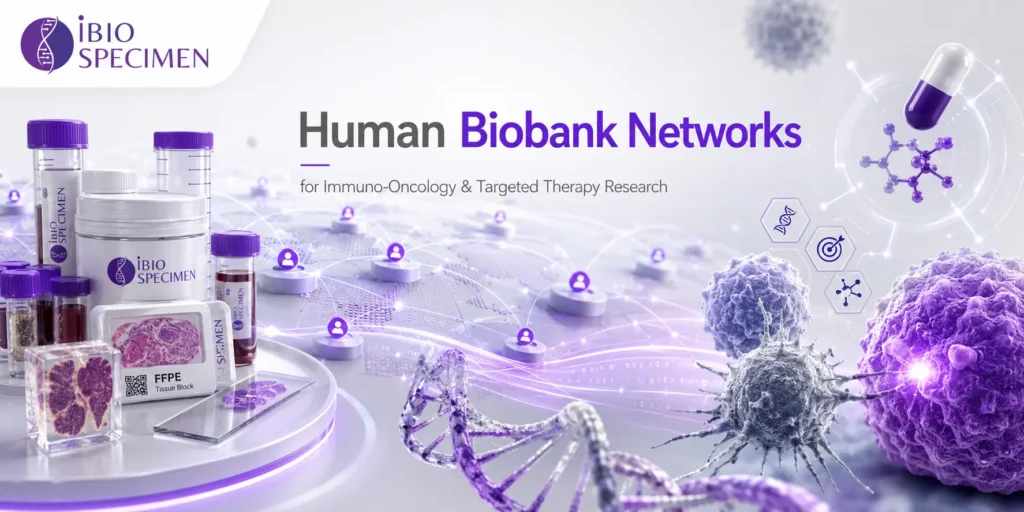
Cancer research has entered a new era driven by precision medicine, immuno-oncology, and targeted therapies. Instead of relying solely on traditional chemotherapy or radiation, researchers are developing treatments that specifically target the molecular characteristics of tumors or harness the body’s immune system to fight cancer. These breakthroughs depend on one essential resource—access to high-quality, clinically annotated human biospecimens.
A Human biobank network for oncology samples plays a pivotal role in this process by providing ethically sourced cancer tissues, blood samples, plasma, serum, DNA, RNA, and other biospecimens collected from diverse patient populations. These networks connect hospitals, pathology laboratories, cancer centers, academic institutions, and clinical research organizations to create comprehensive repositories of oncology specimens that support every stage of cancer research.
From biomarker discovery and companion diagnostic development to clinical trials and post-market studies, human biobank networks provide researchers with the biological materials necessary to accelerate scientific discovery. Their ability to supply disease-specific, well-characterized samples significantly improves the quality of translational research and helps pharmaceutical and biotechnology companies develop safer, more effective cancer therapies.
As demand for personalized cancer treatments continues to grow, human biobank networks have become indispensable partners in advancing immuno-oncology and targeted therapy research worldwide.
The Growing Importance of Human Biobank Networks in Cancer Research
Modern oncology research requires access to diverse patient populations and high-quality biospecimens representing multiple cancer types, disease stages, and treatment histories.
Human biobank networks address this need by creating collaborative infrastructures that enable researchers to access standardized biospecimens collected according to strict ethical and scientific guidelines.
These networks support:
- Precision oncology
- Biomarker discovery
- Immunotherapy research
- Companion diagnostic development
- Clinical trials
- Drug discovery
- Translational medicine
- Multi-omics research
By integrating clinical data with biological specimens, biobank networks provide researchers with comprehensive resources for understanding cancer biology and developing innovative therapies.
Human Biobank Network for Oncology Samples: Building the Foundation of Precision Oncology
A robust Human biobank network for oncology samples connects multiple healthcare institutions and research organizations to collect, process, store, and distribute high-quality human biospecimens for cancer research.
Unlike single-site repositories, networked biobanks offer access to larger, more diverse patient populations, enabling researchers to study rare cancers, molecular subtypes, and treatment responses across different demographics.
Types of Oncology Biospecimens Available
Human biobank networks commonly provide:
-
- Fresh tumor tissue
- Peripheral Blood Mononuclear Cells (PBMCs)
- Bone marrow
- DNA
- RNA
- Cell-free DNA (cfDNA)
- Circulating Tumor DNA (ctDNA)
These specimens are carefully collected and preserved to maintain molecular integrity for advanced laboratory analyses.
Clinical Annotation
Each biospecimen is typically linked with valuable clinical information, including:
- Cancer diagnosis
- Histological subtype
- Tumor stage
- Tumor grade
- Biomarker status
- Treatment history
- Clinical outcomes
- Patient demographics
This detailed annotation enables researchers to correlate molecular findings with patient responses and disease progression.
Human Oncology Biobank Provider: Supplying High-Quality Biospecimens for Research
A trusted Human oncology biobank provider serves as a strategic partner for pharmaceutical companies, biotechnology firms, academic institutions, and Contract Research Organizations (CROs) by supplying ethically sourced oncology biospecimens that meet specific research requirements.
These providers maintain partnerships with:
- Cancer hospitals
- Pathology laboratories
- Academic medical centers
- Clinical research sites
- Healthcare networks
This collaborative approach ensures continuous access to fresh and archived oncology samples.
Customized Biospecimen Solutions
Researchers often require highly specific patient populations.
Biobank providers can customize collections based on:
- Cancer type
- Disease stage
- Biomarker expression
- Treatment history
- Genetic mutations
- Age
- Gender
- Ethnicity
Customized procurement improves study efficiency while increasing the relevance of research findings.
Quality Assurance
Leading providers maintain comprehensive quality management systems that include:
- Standard Operating Procedures (SOPs)
- Pathology review
- DNA and RNA quality assessment
- Temperature-controlled storage
- Chain-of-custody documentation
- Regulatory compliance
These measures ensure biospecimens remain suitable for molecular and cellular research.
Oncology Biobank Services for Research: Supporting Every Stage of Drug Development
Professional Oncology biobank services for research provide much more than sample storage. They offer integrated solutions that support the complete research lifecycle.
Biomarker Discovery
Researchers use oncology biospecimens to identify molecular markers associated with:
- Disease progression
- Therapeutic response
- Drug resistance
- Patient prognosis
Companion Diagnostic Development
Human biospecimens enable diagnostic developers to validate assays that identify patients likely to benefit from targeted therapies.
Drug Discovery
Cancer tissues and blood samples help pharmaceutical researchers identify therapeutic targets and evaluate investigational drugs.
Clinical Trials
Biobank services provide protocol-specific biospecimens that support patient stratification and treatment monitoring throughout clinical studies.
Translational Research
Researchers translate laboratory discoveries into clinical applications by studying human biospecimens collected from real patient populations.
Comprehensive biobank services significantly accelerate oncology innovation.
Human Cancer Biospecimen Supplier: Delivering Disease-Specific Samples
An experienced Human cancer biospecimen supplier provides researchers with clinically annotated human specimens representing a broad spectrum of malignancies.
Common Cancer Types Available
Suppliers frequently provide biospecimens from patients diagnosed with:
- Breast cancer
- Lung cancer
- Colorectal cancer
- Ovarian cancer
- Pancreatic cancer
- Prostate cancer
- Melanoma
- Leukemia
- Lymphoma
- Brain tumors
These disease-specific biospecimens support research into tumor biology and personalized treatment strategies.
Biospecimen Formats
Researchers may request:
- Fresh tissue
- Frozen tissue
- FFPE tissue
- Whole blood
- Plasma
- Serum
- DNA
- RNA
- PBMCs
- Bone marrow aspirates
Access to multiple specimen formats allows researchers to select materials best suited to their experimental methods.
Advanced Research Applications
Human cancer biospecimens support technologies such as:
- Next-generation sequencing (NGS)
- RNA sequencing
- Single-cell sequencing
- Flow cytometry
- Immunohistochemistry (IHC)
- Digital pathology
- Proteomics
- Spatial transcriptomics
These advanced technologies are accelerating the discovery of new biomarkers and therapeutic targets.
Why Human Biobank Networks Are Essential for Immuno-Oncology
Immuno-oncology therapies rely on understanding complex interactions between tumors and the immune system. Human biobank networks provide researchers with access to biospecimens that preserve these biological relationships.
These biospecimens enable studies of:
- Tumor-infiltrating lymphocytes
- Immune checkpoint proteins
- Cytokine profiles
- Tumor microenvironment
- Immune cell populations
- Treatment response biomarkers
Such insights help researchers develop more effective immunotherapies while identifying patients most likely to respond.
Clinical Oncology Biospecimen Provider: Delivering Reliable Samples for Clinical Research
A trusted Clinical oncology biospecimen provider plays a vital role in supporting cancer research by supplying ethically collected, clinically annotated human biospecimens for clinical studies and therapeutic development. These providers collaborate with hospitals, oncology centers, pathology laboratories, and clinical research sites to ensure researchers receive specimens that meet strict scientific and regulatory standards.
Unlike general biobanks, clinical oncology biospecimen providers focus on obtaining samples linked to comprehensive patient information, enabling researchers to correlate laboratory findings with real-world clinical outcomes.
Standardized Collection Procedures
To ensure consistency across research projects, providers follow validated Standard Operating Procedures (SOPs) covering:
- Patient enrollment
- Informed consent
- Sample collection
- Processing and preservation
- Quality control
- Storage and inventory management
- Transportation logistics
Standardization minimizes pre-analytical variability, improving reproducibility in multicenter studies.
Comprehensive Clinical Annotation
Each biospecimen may include detailed clinical metadata such as:
- Confirmed cancer diagnosis
- Histological subtype
- Tumor stage and grade
- Biomarker status
- Treatment history
- Response to therapy
- Disease progression
- Patient demographics
This level of annotation significantly enhances the value of biospecimens for translational research, biomarker discovery, and precision oncology.
Oncology Tissue Biobank for Pharmaceutical Research: Accelerating Cancer Drug Development
The success of oncology drug development depends on access to disease-relevant human tissues. An Oncology tissue biobank for pharmaceutical research provides pharmaceutical and biotechnology companies with high-quality tumor specimens that support every stage of the drug development pipeline.
Applications in Pharmaceutical Research
Researchers use oncology tissue samples for:
- Target identification
- Drug screening
- Mechanism of action studies
- Toxicology assessments
- Biomarker validation
- Companion diagnostic development
- Clinical trial support
These biospecimens help scientists understand tumor biology while evaluating the effectiveness of new therapies.
Tissue Types Available
Pharmaceutical researchers commonly request:
- Fresh tumor tissue
- Fresh frozen tissue
- Formalin-Fixed Paraffin-Embedded (FFPE) tissue
- Matched tumor and adjacent normal tissue
- Tissue microarrays
Each sample undergoes pathology review and quality assessment before being released for research.
Supporting Precision Oncology
Human tumor tissues enable researchers to study molecular alterations such as:
- EGFR mutations
- HER2 amplification
- KRAS mutations
- BRAF mutations
- ALK rearrangements
Understanding these biomarkers is essential for developing targeted therapies and companion diagnostics.
Disease-Specific Oncology Biospecimen Supplier: Providing Targeted Research Resources
Different cancer types exhibit distinct molecular and clinical characteristics. A specialized Disease-specific oncology biospecimen supplier focuses on collecting and distributing biospecimens from patients diagnosed with specific malignancies.
Common Disease Areas
Researchers frequently request biospecimens from patients with:
- Breast cancer
- Lung cancer
- Colorectal cancer
- Ovarian cancer
- Pancreatic cancer
- Liver cancer
- Prostate cancer
- Melanoma
- Leukemia
- Lymphoma
These disease-specific collections enable detailed investigations into tumor biology and treatment response.
Customized Patient Cohorts
Suppliers can recruit patients based on:
- Tumor subtype
- Disease stage
- Biomarker expression
- Genetic mutations
- Treatment history
- Response to immunotherapy
- Age
- Ethnicity
Customized biospecimen collections ensure that researchers receive highly relevant samples for their studies.
Rare Cancer Procurement
Experienced suppliers also coordinate procurement for rare cancers through collaborations with specialized oncology centers and academic institutions, expanding research opportunities in underserved disease areas.
High-Quality Oncology Biospecimens for Biomarker Research: Improving Scientific Accuracy
The quality of a biospecimen directly impacts the reliability of biomarker research. High-quality oncology biospecimens for biomarker research provide researchers with well-preserved biological material suitable for advanced molecular analyses.
Why Biospecimen Quality Matters
Poor-quality specimens can lead to:
- DNA degradation
- RNA instability
- Protein degradation
- Experimental variability
- False biomarker identification
Maintaining high specimen quality ensures accurate, reproducible research results.
Quality Control Standards
Leading biobank networks implement rigorous quality assurance measures, including:
- Immediate specimen processing
- Controlled storage temperatures
- Continuous temperature monitoring
- Histopathological verification
- DNA and RNA integrity testing
- Chain-of-custody documentation
These practices preserve molecular integrity from collection through laboratory analysis.
Applications in Biomarker Research
High-quality oncology biospecimens support:
- Predictive biomarker discovery
- Prognostic biomarker validation
- Pharmacodynamic biomarker studies
- Molecular profiling
- Companion diagnostic development
- Precision medicine research
Reliable biospecimens help researchers identify clinically actionable biomarkers that improve patient care.
Human Tumor Tissue Supplier for Immuno-Oncology Research: Advancing Next-Generation Cancer Therapies
Immuno-oncology has transformed cancer treatment by harnessing the immune system to fight tumors. A dependable Human tumor tissue supplier for immuno-oncology research provides high-quality human tumor specimens that preserve the complex interactions between cancer cells and the immune system.
Studying the Tumor Microenvironment
Human tumor tissues allow researchers to investigate:
- Tumor-infiltrating lymphocytes (TILs)
- Immune checkpoint proteins
- Cytokine signaling
- Stromal cell interactions
- Immune cell infiltration
- Tumor heterogeneity
These studies provide critical insights into how tumors evade immune responses and how immunotherapies can overcome these mechanisms.
Supporting Immunotherapy Development
Tumor tissues are widely used to develop and evaluate:
- Immune checkpoint inhibitors
- CAR-T cell therapies
- Cancer vaccines
- Monoclonal antibodies
- Bispecific antibodies
- Combination therapies
Access to well-preserved tumor specimens accelerates the discovery of more effective immuno-oncology treatments.
Molecular Technologies
Researchers use advanced analytical platforms such as:
- Next-generation sequencing (NGS)
- Spatial transcriptomics
- Multiplex immunofluorescence
- Single-cell RNA sequencing
- Digital pathology
- Flow cytometry
These technologies generate comprehensive insights into tumor biology and immune responses.
Why Specialized Oncology Biobank Networks Improve Research Outcomes
Comprehensive oncology biobank networks provide significant advantages over isolated sample repositories.
Larger Patient Populations
Multi-institutional networks offer access to diverse patient cohorts across multiple cancer types and disease stages.
Standardized Procedures
Uniform collection, processing, and storage protocols improve consistency across research sites.
Rich Clinical Data
Detailed annotations enable meaningful correlations between molecular findings and patient outcomes.
Faster Recruitment
Established hospital partnerships accelerate patient enrollment for prospective studies.
Regulatory Compliance
Comprehensive documentation supports regulatory submissions and multicenter clinical trials.
These capabilities help pharmaceutical companies, biotechnology firms, and academic researchers accelerate oncology innovation while improving research quality.
Biobank Network for Targeted Therapy Research: Driving Precision Cancer Treatments
The development of targeted therapies has revolutionized cancer treatment by focusing on the specific molecular abnormalities that drive tumor growth. A comprehensive Biobank network for targeted therapy research provides researchers with access to diverse, clinically annotated biospecimens that are essential for identifying therapeutic targets and validating new treatment strategies.
Unlike conventional treatment approaches, targeted therapies require detailed knowledge of a patient’s tumor biology. Biobank networks supply researchers with specimens that enable the study of:
- Gene mutations
- Protein expression
- Immune biomarkers
- Tumor heterogeneity
- Drug resistance mechanisms
- Molecular signaling pathways
Supporting Precision Oncology
Biobank networks provide samples for research involving biomarkers such as:
- EGFR
- HER2
- KRAS
- BRAF
- ALK
- PD-L1
- BRCA1/BRCA2
These biomarkers help clinicians identify patients who are most likely to respond to targeted therapies, improving treatment effectiveness while minimizing unnecessary side effects.
Enabling Personalized Treatment
Researchers use biospecimens from biobank networks to:
- Identify predictive biomarkers
- Validate companion diagnostics
- Monitor therapeutic response
- Investigate acquired resistance
- Develop combination therapies
These efforts continue to improve personalized treatment strategies across multiple cancer types.
Oncology Biospecimen Procurement Services: Customized Solutions for Clinical Research
Every oncology research project has unique biospecimen requirements. Oncology biospecimen procurement services provide customized collection strategies that ensure researchers receive protocol-specific human samples aligned with their scientific objectives.
Comprehensive Procurement Support
Professional procurement services typically include:
- Study planning
- Clinical site selection
- Patient recruitment
- Informed consent
- Sample collection
- Processing
- Quality assurance
- Documentation
- Global shipping logistics
These end-to-end services simplify biospecimen acquisition while ensuring compliance with ethical and regulatory standards.
Flexible Procurement Options
Researchers can request:
- Prospective collections
- Retrospective collections
- Matched tumor and blood samples
- Longitudinal biospecimens
- Treatment-naïve patient samples
- Biomarker-positive cohorts
- Rare cancer biospecimens
This flexibility allows investigators to design studies that accurately address specific scientific questions.
Human Oncology Biobank for Clinical Trials: Strengthening Study Success
Clinical trials rely on high-quality human biospecimens to evaluate investigational therapies and companion diagnostics. A dependable Human oncology biobank for clinical trials provides standardized specimens collected according to strict clinical protocols.
Supporting Every Trial Phase
Biobank resources contribute to:
- Phase I safety studies
- Phase II efficacy studies
- Phase III multicenter trials
- Post-marketing surveillance
- Real-world evidence generation
Clinical Trial Applications
Human oncology biospecimens support:
- Patient stratification
- Biomarker validation
- Pharmacodynamic studies
- Treatment response monitoring
- Resistance mechanism analysis
- Companion diagnostic development
Standardized Sample Management
Leading oncology biobanks implement:
- Standard Operating Procedures (SOPs)
- Pathology confirmation
- Controlled storage conditions
- Continuous temperature monitoring
- Chain-of-custody tracking
- Regulatory-compliant documentation
These quality systems improve study reproducibility while supporting successful regulatory submissions.
Biospecimen Supplier for Cancer Drug Discovery: Accelerating Therapeutic Innovation
The discovery of innovative cancer therapies depends on access to biologically relevant human specimens. A trusted Biospecimen supplier for cancer drug discovery provides researchers with high-quality biospecimens that support every stage of pharmaceutical and biotechnology research.
Drug Discovery Applications
Human biospecimens contribute to:
- Target identification
- Lead compound evaluation
- Mechanism of action studies
- Toxicology assessments
- Biomarker discovery
- Translational research
- Precision oncology
Advanced Research Technologies
Researchers analyze these biospecimens using:
- Next-generation sequencing (NGS)
- Single-cell sequencing
- RNA sequencing
- Proteomics
- Digital pathology
- Spatial transcriptomics
- Flow cytometry
Access to diverse biospecimens accelerates scientific discovery while improving confidence in research findings.
Oncology Biobank Sourcing Company for Precision Medicine Research: Supporting Next-Generation Healthcare
As precision medicine continues to evolve, researchers require increasingly specialized biospecimen collections. An experienced Oncology biobank sourcing company for precision medicine research provides customized procurement solutions tailored to complex research protocols.
Customized Sourcing Capabilities
Researchers can specify:
- Cancer type
- Histological subtype
- Disease stage
- Biomarker status
- Treatment history
- Genetic mutations
- Age
- Gender
- Ethnicity
Customized sourcing ensures that biospecimens align closely with research objectives.
Global Collection Networks
Leading sourcing companies collaborate with:
- Comprehensive cancer centers
- Academic hospitals
- Community healthcare systems
- Pathology laboratories
- International research networks
These partnerships provide access to diverse patient populations and rare oncology specimens.
Benefits for Precision Medicine
Customized sourcing helps researchers:
- Validate biomarkers
- Develop companion diagnostics
- Improve patient stratification
- Accelerate targeted therapy development
- Enhance clinical trial efficiency
Buy Oncology Biospecimens from Biobank: Choosing the Right Research Partner
Organizations planning to Buy oncology biospecimens from biobank should evaluate providers carefully to ensure specimen quality, ethical compliance, and scientific reliability.
Ethical Procurement
Choose providers that prioritize:
- Informed patient consent
- Patient confidentiality
- Regulatory compliance
- Secure data management
- Ethical governance
Quality Management
Reliable providers should offer:
- Pathology-reviewed specimens
- DNA and RNA quality assessment
- Standardized collection protocols
- Controlled storage conditions
- Cold-chain transportation
- Comprehensive documentation
Clinical Annotation
High-value biospecimens should include:
- Confirmed diagnosis
- Tumor stage and grade
- Histopathology reports
- Biomarker status
- Treatment history
- Clinical outcomes
- Demographic information
Flexible Collection Services
The ideal biobank partner should provide:
- Prospective and retrospective collections
- Rare cancer biospecimens
- Matched tissue and blood samples
- Longitudinal collections
- Rapid project turnaround
- Multicenter clinical trial support
Selecting the right provider enhances research quality while reducing procurement delays.
Future Trends in Human Oncology Biobank Networks
Human biobank networks continue to evolve alongside advances in biomedical science and digital health.
Artificial Intelligence
AI is transforming biospecimen analysis through:
- Automated pathology
- Digital image analysis
- Biomarker prediction
- Clinical decision support
Multi-Omics Research
Researchers increasingly integrate:
- Genomics
- Transcriptomics
- Proteomics
- Metabolomics
- Epigenomics
to gain deeper insights into cancer biology.
Liquid Biopsy
Blood-based biospecimens are enabling non-invasive cancer diagnosis, disease monitoring, and treatment response assessment.
Spatial Biology
Spatial transcriptomics and multiplex imaging are providing unprecedented insights into tumor architecture and immune interactions.
Precision Oncology
The continued expansion of precision medicine will drive increasing demand for high-quality, clinically annotated oncology biospecimens.
Frequently Asked Questions (FAQs)
What is a human biobank network for oncology samples?
A human biobank network is a collaborative system that collects, stores, manages, and distributes ethically sourced oncology biospecimens and associated clinical data for cancer research.
Why are oncology biospecimens important?
They enable researchers to study tumor biology, discover biomarkers, develop targeted therapies, validate companion diagnostics, and improve patient outcomes.
What biospecimen types are commonly available?
Common biospecimens include:
- Fresh tissue
- Fresh frozen tissue
- FFPE tissue
- Whole blood
- Plasma
- Serum
- DNA
- RNA
- PBMCs
- Cell-free DNA
- Circulating tumor DNA
Who uses oncology biobank services?
These services support:
- Pharmaceutical companies
- Biotechnology firms
- Contract Research Organizations (CROs)
- Academic research institutions
- Diagnostic developers
- Healthcare organizations
How are biospecimens collected ethically?
Ethical collection involves informed consent, patient privacy protection, adherence to Institutional Review Board (IRB) requirements where applicable, and compliance with applicable national and international regulations.
Can oncology biospecimens be sourced for specific research projects?
Yes. Biobank networks provide customized procurement based on cancer type, biomarker status, disease stage, treatment history, and other protocol-specific criteria.
Conclusion
Human biobank networks have become indispensable to modern oncology research by providing access to ethically sourced, clinically annotated, and high-quality biospecimens that drive innovation in immuno-oncology, targeted therapy, and precision medicine. Through Biobank networks for targeted therapy research, Oncology biospecimen procurement services, Human oncology biobanks for clinical trials, Biospecimen suppliers for cancer drug discovery, and Oncology biobank sourcing companies for precision medicine research, researchers gain the resources needed to accelerate biomarker discovery, validate companion diagnostics, and develop next-generation cancer therapies.
Organizations seeking to Buy oncology biospecimens from biobank should partner with experienced providers that offer robust quality management systems, comprehensive clinical annotations, ethical procurement practices, and customized sourcing capabilities. These partnerships improve research reproducibility, enhance clinical trial efficiency, and support regulatory success.
As advances in artificial intelligence, multi-omics, liquid biopsy, and spatial biology continue to reshape cancer research, human biobank networks will remain at the forefront of scientific innovation. Their ability to connect researchers with diverse, high-quality biospecimens will be instrumental in advancing personalized medicine, improving therapeutic outcomes, and bringing life-saving treatments to patients worldwide.