
Introduction to
FFPE Tumor Samples with Genomic Datasets
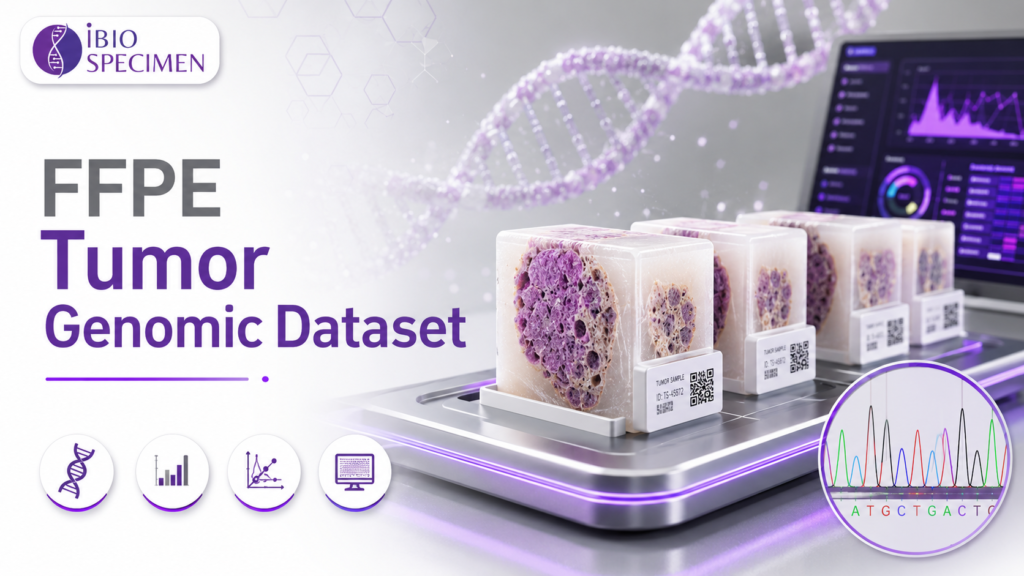
Access an FFPE Tumor Genomic Dataset for Cancer Research
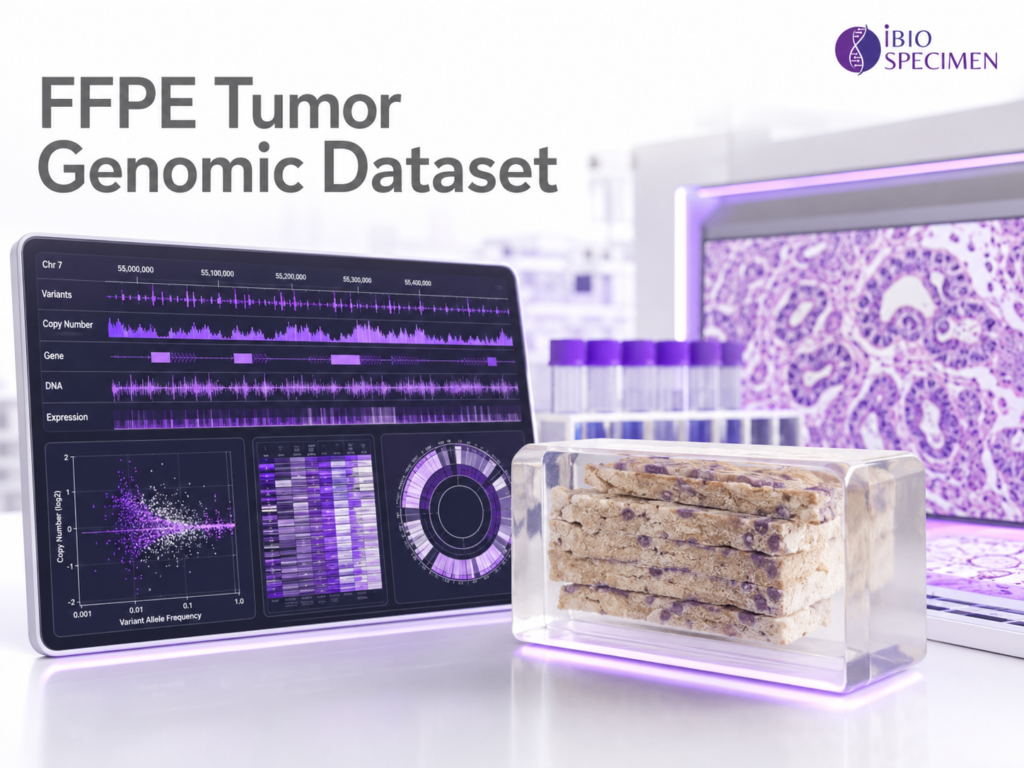
FFPE Blocks for Genomics Research are an essential resource for scientists investigating cancer biology, genetic alterations, biomarker discovery, and precision medicine. Our premium formalin-fixed, paraffin-embedded (FFPE) tissue blocks are ethically sourced from accredited hospitals and pathology laboratories under approved ethical and regulatory frameworks. Every specimen undergoes comprehensive pathology review to ensure accurate diagnosis, adequate tumor content, and excellent tissue preservation suitable for downstream genomic applications.
Researchers can access FFPE tissue blocks from a wide range of disease indications, including breast, lung, colorectal, prostate, liver, pancreatic, ovarian, brain, kidney, melanoma, hematologic malignancies, and many other therapeutic areas.
Matched normal adjacent tissue, metastatic lesions, and treatment-specific specimens may also be available depending on project requirements.
Each FFPE block can be supplied with valuable de-identified clinical information such as patient age, sex, diagnosis, histological subtype, tumor grade, stage, pathology report, treatment history, biomarker status, and follow-up data whenever available. These high-quality human tissue samples are suitable for DNA and RNA extraction, targeted sequencing, whole-exome sequencing, spatial genomics, transcriptomics, PCR, NGS validation, and molecular pathology research. Our experienced team works closely with pharmaceutical companies, biotechnology organizations, CROs, and academic institutions to deliver reliable FFPE blocks that accelerate genomics research and support meaningful scientific discoveries.
FFPE Tumor Genomic Dataset With Clinical Annotations
FFPE tissue blocks are valuable resources for DNA, RNA and next-generation sequencing studies in oncology, biomarker discovery and translational research. Properly processed and stored FFPE specimens can support DNA extraction, RNA analysis, PCR, targeted sequencing, whole-exome sequencing and gene expression profiling. When supplied with pathology review, tumor percentage, diagnosis, grade, stage and relevant clinical data, these samples help researchers identify mutations, study molecular pathways and evaluate potential therapeutic targets. High-quality FFPE tissue blocks also support precision medicine, companion diagnostic development and retrospective genomic studies using clinically characterized human specimens.

Optimized for DNA Sequencing
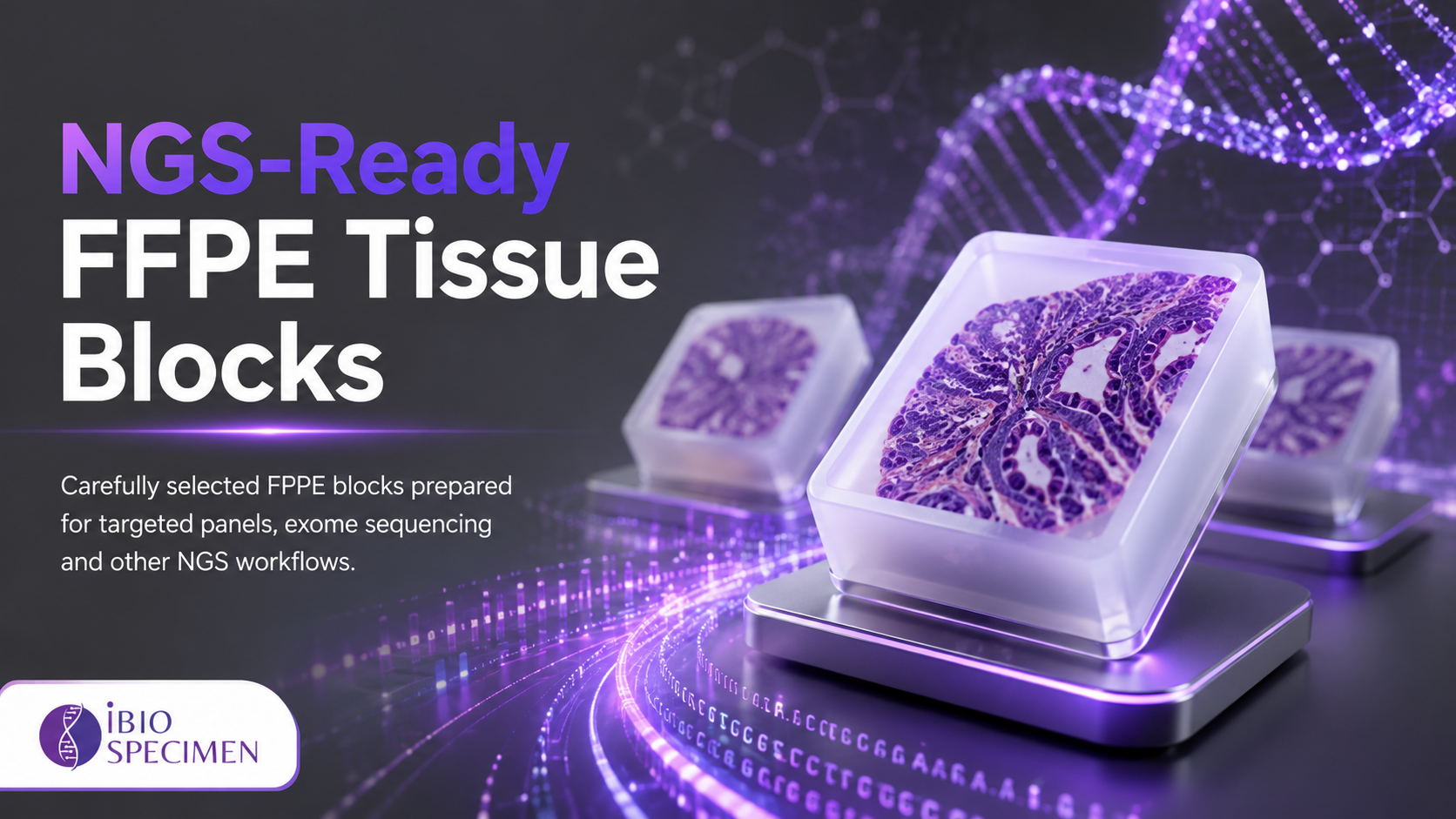
NGS-Ready FFPE Tissue Blocks
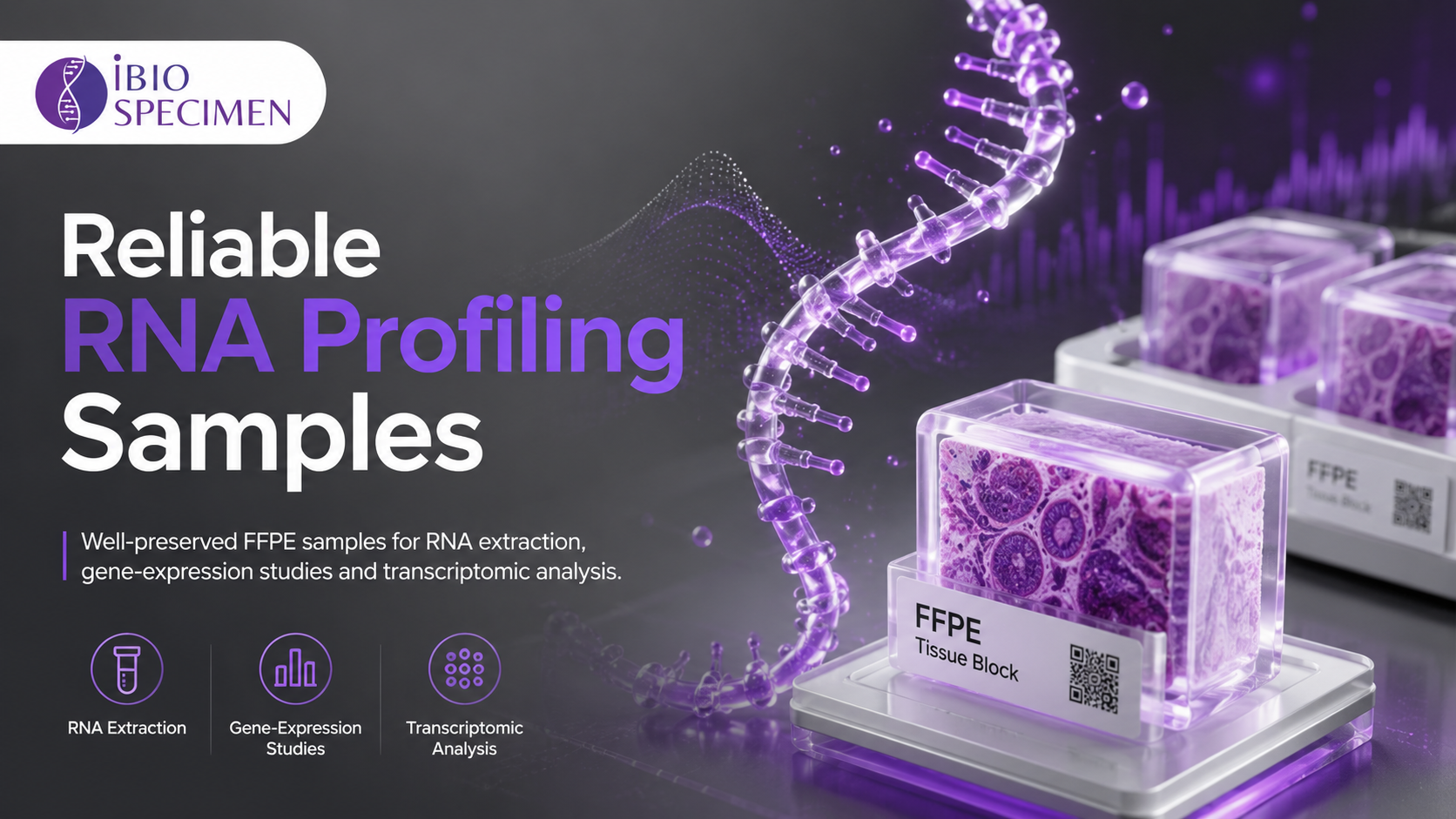
Reliable RNA Profiling Samples
Buy FFPE Tumor Samples With Matched Genomic Data
FFPE tumour samples with matched genomic data allow researchers to obtain both physical tissue and molecular information from the same specimen or patient. This pairing enables new laboratory results to be compared directly with existing genomic findings. Researchers may use the tissue for IHC, FISH, PCR, spatial profiling, repeat sequencing or digital pathology studies. Before procurement, it is important to confirm whether the genomic data were generated from the exact block being supplied, another tumour block from the same lesion or a different specimen from the patient.
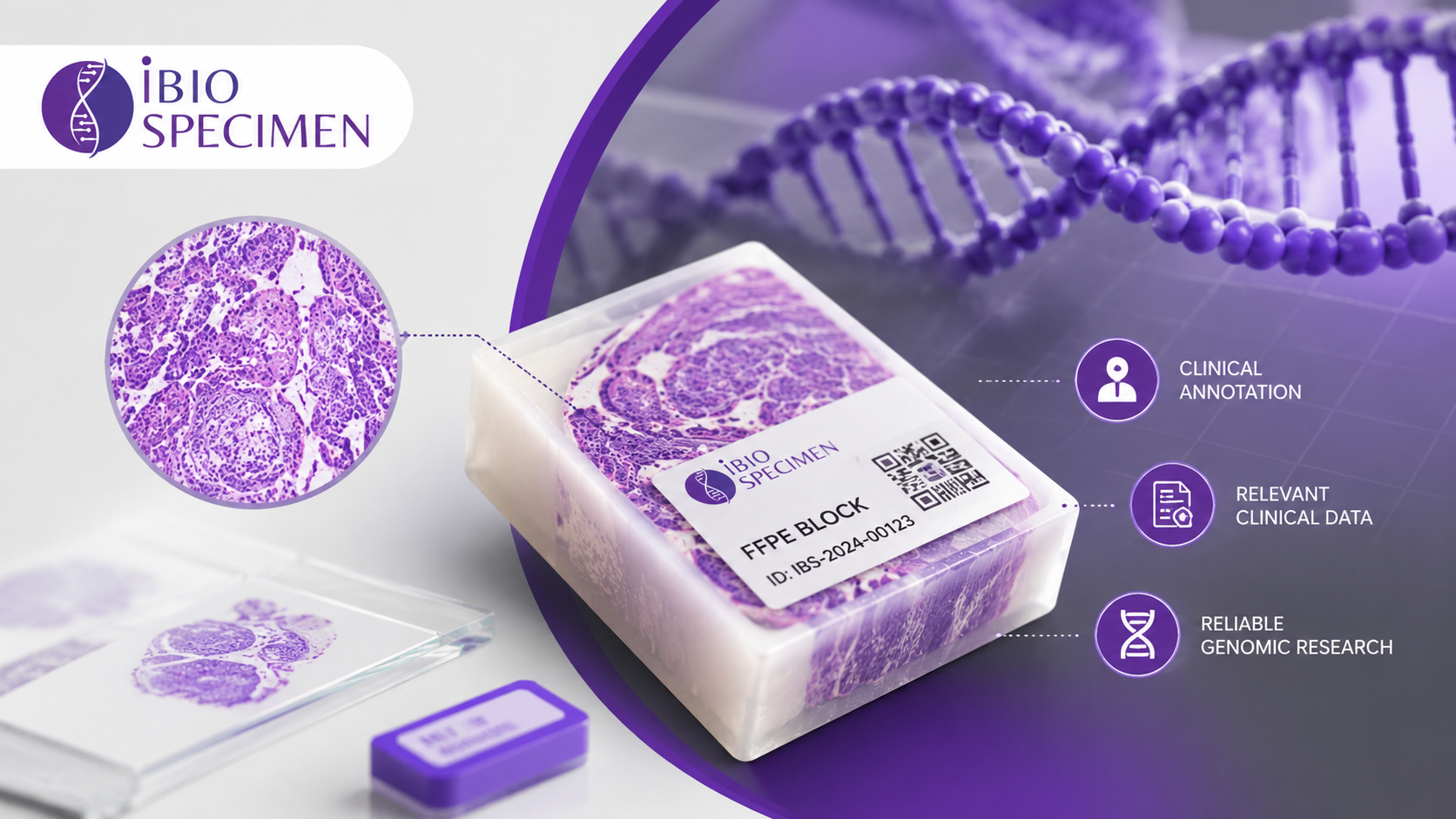
Clinically Annotated Tissue Samples
FFPE blocks supplied with relevant clinical details for reliable genomic research.
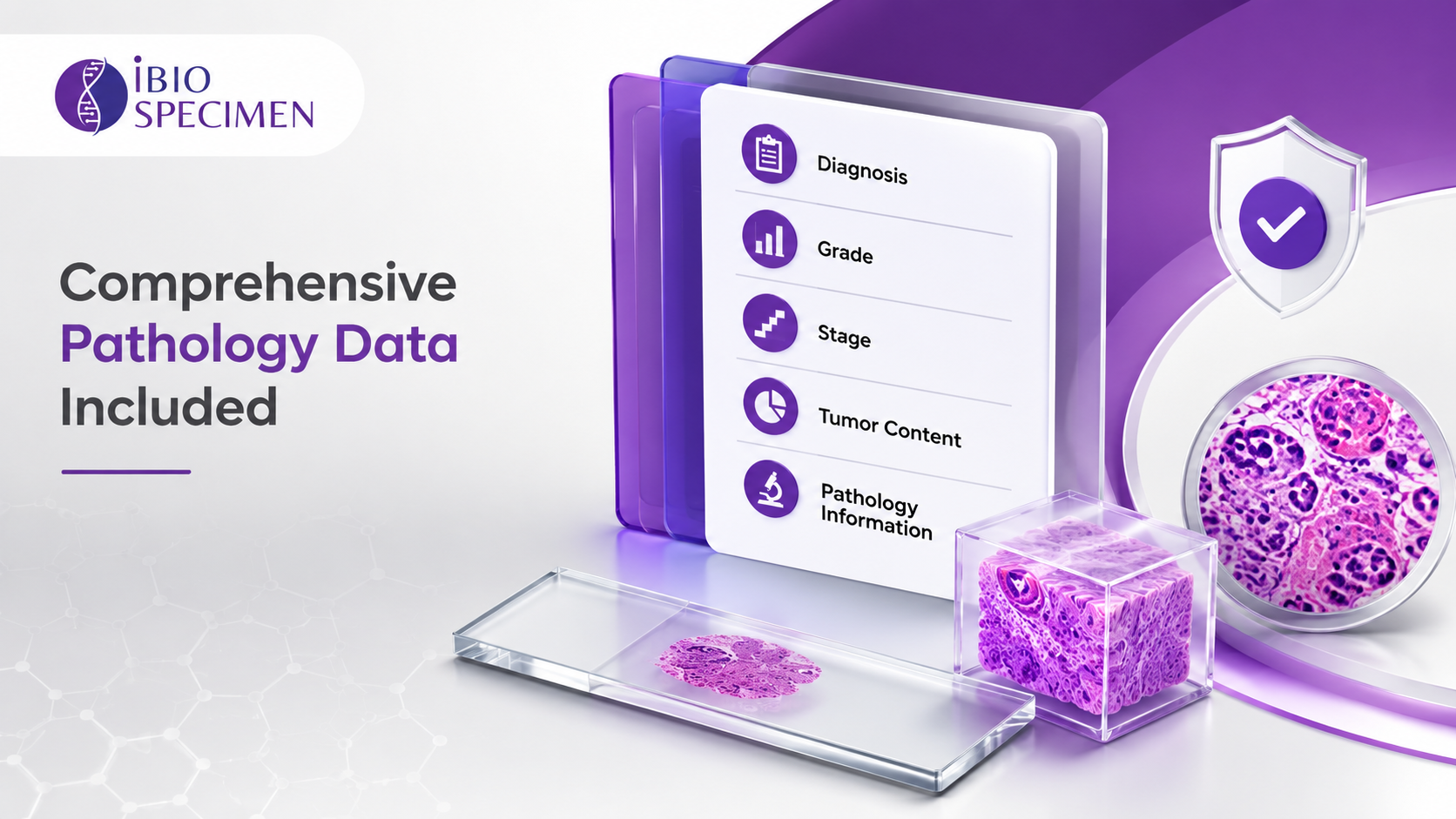
Comprehensive Pathology Data Included
Each sample includes diagnosis, grade, stage, tumor content, and pathology information.

Optimized for Genomic Analysis
Samples are suitable for DNA, RNA, NGS, mutation analysis, and molecular profiling.

Reliable Samples for NGS
Quality-controlled FFPE blocks support accurate sequencing and reproducible genomic results.
Multi-Cancer FFPE Tumor Genomic Datasets for AI Development
Multi-cancer FFPE tumour genomic datasets can support the development of artificial-intelligence models that integrate histology, molecular findings and clinical information. These datasets may include whole-slide images, genomic profiles, pathology labels and selected outcomes across several tumour indications. Potential applications include cancer classification, mutation-prediction research, biomarker discovery, patient stratification and treatment-response modelling. Dataset quality is more important than volume alone. Each case should have traceable links between the FFPE specimen, digital slide, genomic result and clinical record. Researchers should control for scanner type, staining variation, institution, sequencing platform and demographic imbalance to reduce confounding and data leakage. Training, validation and independent test cohorts should be separated at the patient and preferably institutional level. Labels must be defined consistently and supported by adequate molecular evidence. Proper consent and data rights should permit AI development and, if intended, commercial use. A well-governed multi-cancer dataset can become a valuable foundation for multimodal computational pathology.Our extensive network enables access to FFPE tissue blocks representing numerous cancer types, inflammatory diseases, infectious diseases, and other clinically significant conditions. Every sample is reviewed by qualified pathologists to confirm diagnosis, evaluate tissue quality, estimate tumor cellularity, and verify specimen suitability for molecular and genomic applications. Researchers can request specific inclusion criteria such as mutation status, biomarker expression, treatment response, disease stage, metastatic disease, or matched normal tissue.
Each FFPE block may be accompanied by de-identified clinical and pathology information, including demographic data, histopathology findings, TNM stage, tumor grade, biomarker results, surgical procedure, and treatment history when available. These ethically sourced human tissue samples support biomarker validation, next-generation sequencing, gene expression profiling, companion diagnostic development, translational research, and precision oncology programs. Our commitment to quality, traceability, and ethical sourcing helps researchers generate reproducible genomic data with confidence.
FFPE Tumor Genomic Dataset for Biomarker Discovery
An FFPE tumour genomic dataset can help researchers identify associations between molecular alterations, pathological features and clinical outcomes. The dataset may be analysed to detect recurrent mutations, co-alteration patterns, copy-number changes, gene fusions or genomic signatures relevant to a particular cancer type. When matched tissue or digital images are available, investigators can examine how genomic findings relate to morphology, protein expression and spatial characteristics. Biomarker discovery requires adequate cohort size, suitable controls and correction for factors such as disease stage, treatment exposure and specimen origin.
Researchers should review sequencing coverage, tumour purity, bioinformatics methods and missing-data patterns before analysis. Candidate associations identified through exploratory analysis should be independently validated using another cohort and, where possible, an orthogonal laboratory method. Consistent clinical endpoints are essential for outcome-related studies. Properly curated and ethically governed FFPE tumour genomic datasets can accelerate exploratory research while providing a pathway toward tissue-based biomarker validation.
Source Matched FFPE Samples and Genomic Datasets
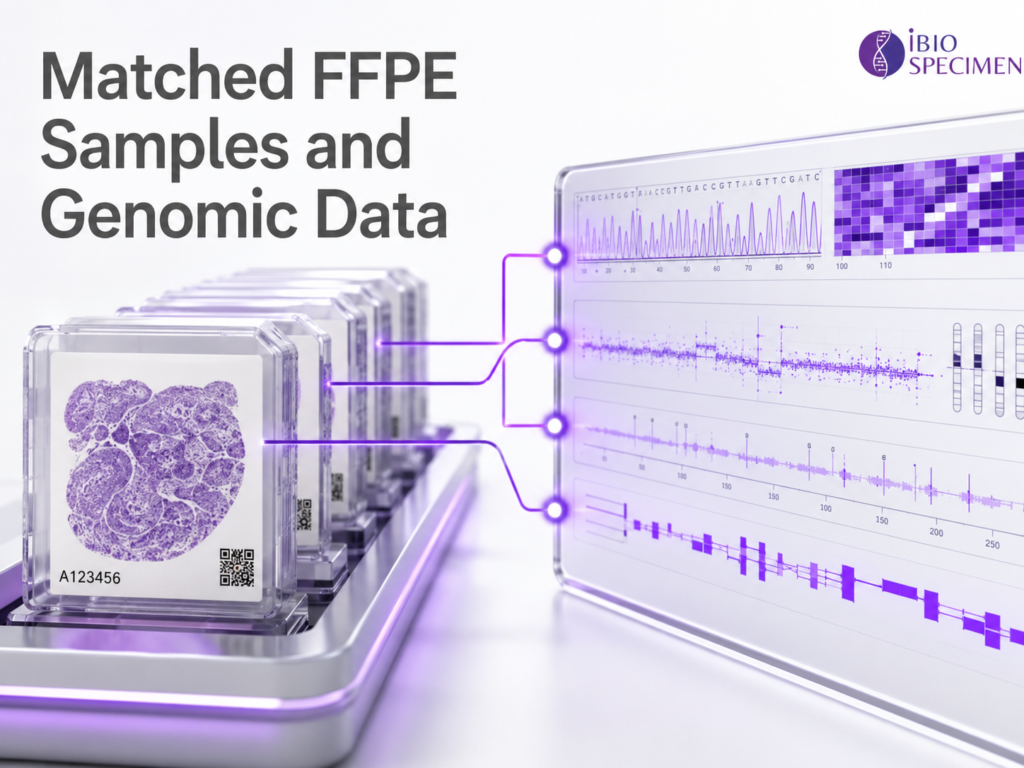
Matched FFPE samples and genomic datasets can be sourced through a project-specific process that aligns tissue characteristics, molecular requirements and intended analyses. Researchers should define the cancer indications, number of cases, specimen formats, genomic platforms, file types and mandatory clinical annotations. Physical deliverables may include FFPE blocks, unstained slides, tissue curls, extracted nucleic acids or H&E slides. Genomic deliverables may include reports, VCF files, alignment files or raw sequencing data, depending on availability and permission.
The relationship between each physical sample and genomic record should be documented clearly. Pathology quality control can confirm diagnosis, tumour content, necrosis and remaining tissue, while genomic review can verify panel coverage and result suitability. Secure data transfer, de-identification, informed consent, ethical approval and data-use rights should be addressed before delivery. A harmonised manifest and predefined acceptance criteria can help researchers obtain a reliable, analysis-ready collection of matched biospecimens and molecular data.
General Questions
Frequent Asked Questions!!
FFPE blocks for genomics are formalin-fixed, paraffin-embedded tissue samples used for DNA, RNA, and biomarker analysis. They are widely used in cancer genomics, molecular pathology, translational research, and retrospective studies.
FFPE tissue blocks are valuable because they preserve tissue architecture and molecular material for long-term storage. Researchers can use them for sequencing, mutation analysis, biomarker discovery, and validation studies.
Yes. DNA can be extracted from FFPE blocks using validated extraction kits and optimized laboratory protocols. DNA quality depends on fixation time, block age, tissue type, tumor content, and storage conditions.
Yes. RNA can be extracted from FFPE tissue, although it is often fragmented because of formalin fixation. Specialized FFPE RNA extraction methods can provide material suitable for targeted RNA sequencing, gene expression studies, and fusion analysis.
Yes. High-quality FFPE blocks are commonly used for next-generation sequencing, including targeted sequencing panels, whole-exome sequencing, RNA sequencing, and selected whole-genome applications.
Tumor content requirements depend on the study design and testing method. Many molecular and NGS studies require at least 20% tumor content, while some projects may require 30%, 50%, or higher tumor percentage. Pathologist review can be performed to confirm tumor content before shipment
FFPE blocks can support mutation testing, copy number analysis, gene fusion detection, microsatellite instability testing, tumor mutational burden analysis, methylation studies, and targeted DNA or RNA sequencing.
Yes. FFPE cancer tissue blocks are extensively used to study genomic alterations in lung, breast, colorectal, prostate, ovarian, pancreatic, liver, kidney, and other tumor types.
Researchers can purchase FFPE blocks from qualified biospecimen suppliers, biobanks, pathology laboratories, hospitals, and research networks that provide ethically sourced and clinically annotated human tissue samples.
Researchers should confirm diagnosis, tissue type, tumor percentage, necrosis percentage, fixation details, block age, specimen size, available clinical data, pathology review, consent status, and intended research-use permissions.
Yes. Clinically annotated FFPE blocks may include donor age, sex, diagnosis, grade, stage, TNM classification, treatment history, pathology report, mutation status, and clinical outcome data.