
Introduction to
FFPE Multi-Omics Biospecimens for Drug Discovery
Multi-Omics FFPE Biospecimens for Oncology Drug Discovery
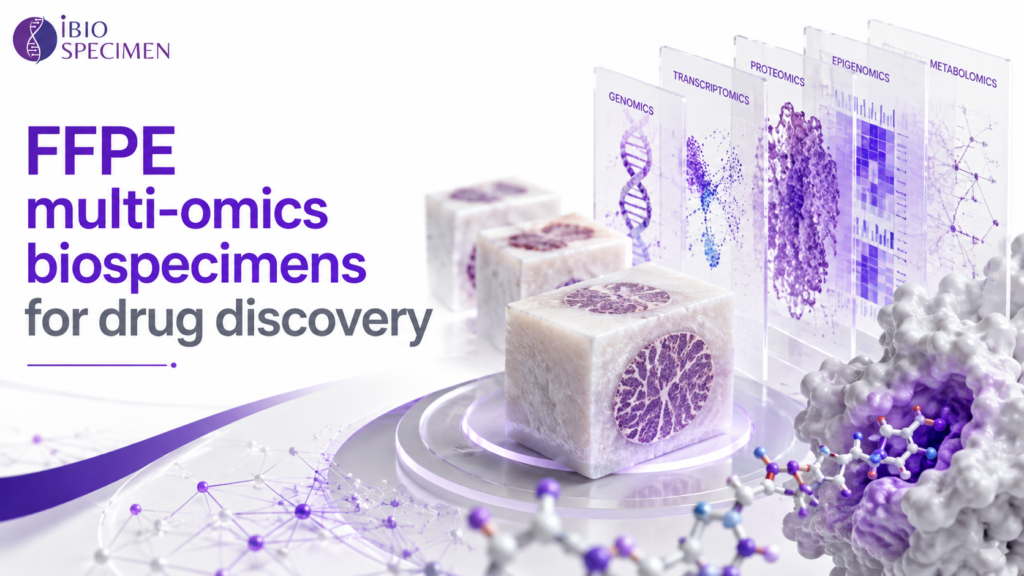
Drug discovery increasingly relies on integrated biological information rather than single biomarkers. Multi-omics FFPE biospecimens can combine genomic, transcriptomic, proteomic and pathological data to create a detailed molecular picture of tumor tissue. Researchers can evaluate DNA alterations, gene-expression activity, protein-level changes and histological characteristics within the same biological context.
This integrated approach can help identify potential therapeutic targets, molecular dependencies and disease subgroups that may respond differently to treatment. Multi-omics tissue collections are particularly useful in oncology because tumors often contain complex combinations of genetic and functional alterations. By working with data-rich FFPE specimens, drug-discovery teams can investigate these interactions and develop more informed hypotheses regarding therapeutic mechanisms, resistance pathways and potential combination strategies.
Data-Rich Tumor Samples for Target Identification and Validation
Identification of a potential drug target is only the first step in therapeutic development. Researchers must also demonstrate that the target is biologically relevant across representative patient tumors. FFPE multi-omics biospecimens can help validate potential targets by showing how genomic alterations relate to RNA expression, protein abundance and tissue morphology.
Researchers can examine whether a candidate target is consistently activated within particular cancer subtypes and whether additional molecular characteristics influence its biological role. This information can help prioritize targets with stronger translational potential. Multi-omics specimens may also identify compensatory pathways that could contribute to drug resistance. By incorporating multiple data layers, pharmaceutical teams can gain a more complete understanding of target biology and make better-informed decisions during early drug-development programs.
Multi-Omics Cohorts for Drug-Response Biomarker Discovery
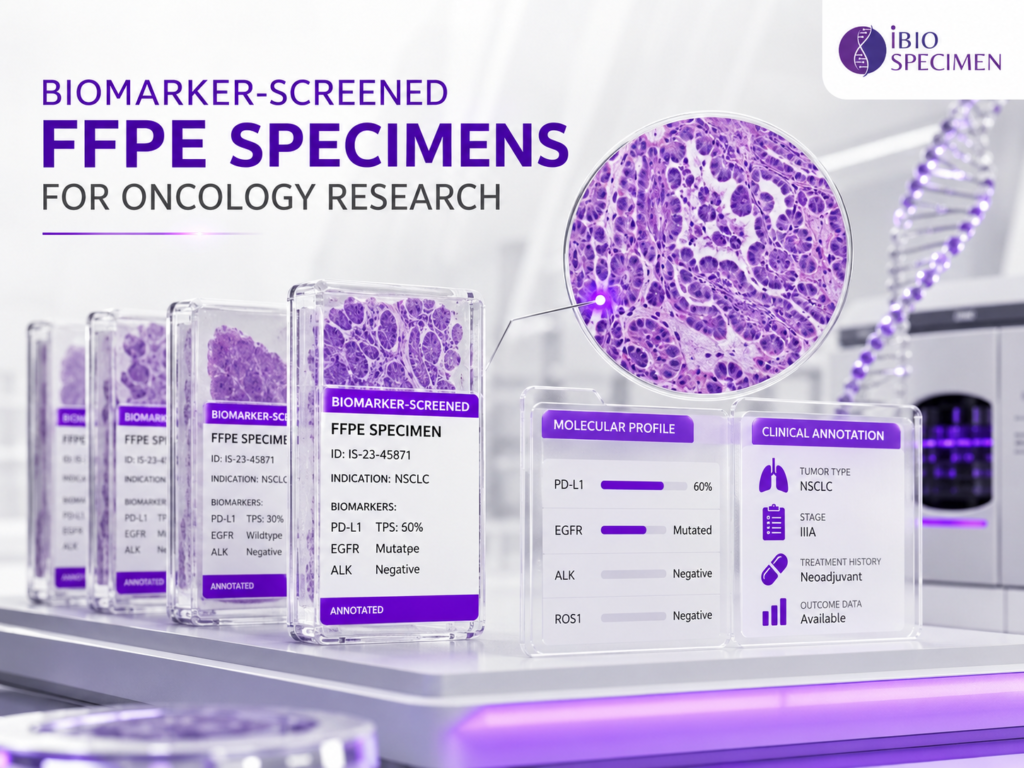
One of the major challenges in oncology drug development is identifying which patients are most likely to respond to a therapy. FFPE multi-omics cohorts can support research into predictive and resistance biomarkers by integrating genomic, transcriptomic and proteomic signals. Researchers can compare molecular profiles across clinically or biologically defined patient groups and identify combinations of features associated with different disease behaviors.
Where treatment information is available, retrospective analyses can explore molecular signatures linked with response or resistance. This approach can reveal biomarkers that would be missed if each molecular layer were evaluated independently. Data-rich FFPE cohorts therefore provide a valuable foundation for developing patient-stratification strategies and potential companion diagnostic hypotheses.
FFPE Multi-Omics Data for AI-Driven Therapeutic Discovery
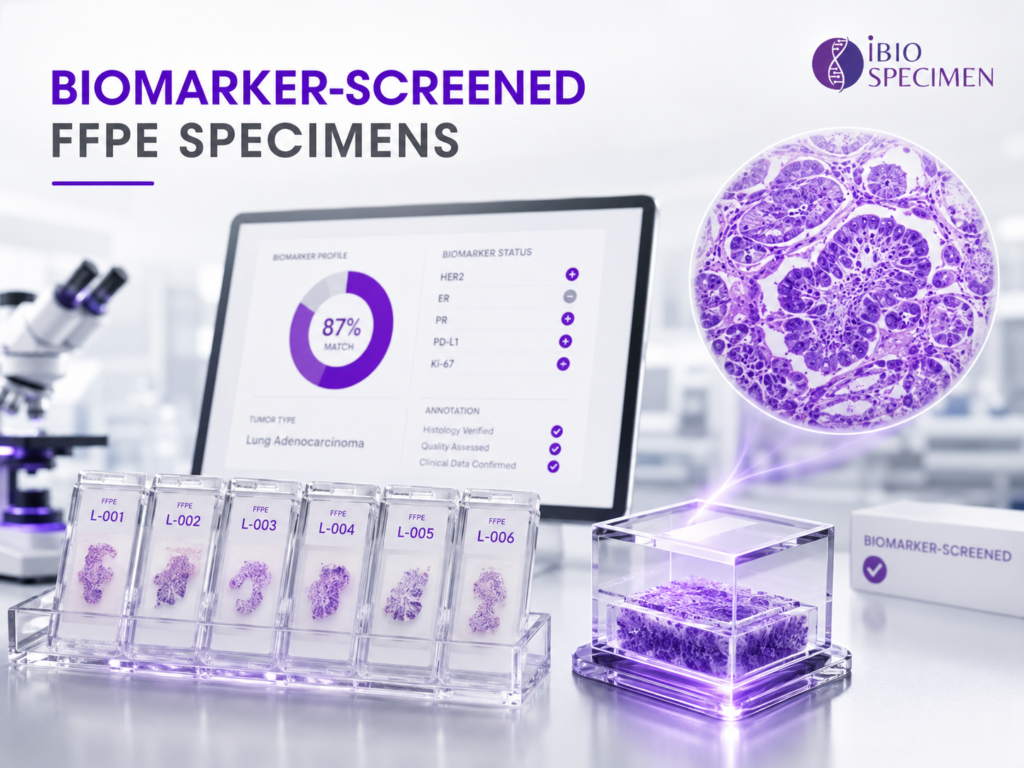
Artificial intelligence can help researchers analyze complex relationships across large multi-omics datasets. FFPE biospecimens combining digital pathology, genomics, transcriptomics and proteomics provide a powerful foundation for building computational models of tumor biology. AI systems can identify patterns across molecular and morphological features, cluster tumors into biologically meaningful subgroups and potentially uncover previously unrecognized therapeutic vulnerabilities.
These datasets can also support models designed to predict pathway activation, molecular phenotype or potential treatment response. For drug-discovery companies developing AI-driven platforms, access to physical tissue linked with extensive molecular information provides additional opportunities for experimental validation. Multi-omics FFPE collections can therefore connect computational discovery with biological testing and translational development.
General Questions
Frequent Asked Questions!!
FFPE blocks for genomics are formalin-fixed, paraffin-embedded tissue samples used for DNA, RNA, and biomarker analysis. They are widely used in cancer genomics, molecular pathology, translational research, and retrospective studies.
FFPE tissue blocks are valuable because they preserve tissue architecture and molecular material for long-term storage. Researchers can use them for sequencing, mutation analysis, biomarker discovery, and validation studies.
Yes. DNA can be extracted from FFPE blocks using validated extraction kits and optimized laboratory protocols. DNA quality depends on fixation time, block age, tissue type, tumor content, and storage conditions.
Yes. RNA can be extracted from FFPE tissue, although it is often fragmented because of formalin fixation. Specialized FFPE RNA extraction methods can provide material suitable for targeted RNA sequencing, gene expression studies, and fusion analysis.
Yes. High-quality FFPE blocks are commonly used for next-generation sequencing, including targeted sequencing panels, whole-exome sequencing, RNA sequencing, and selected whole-genome applications.
Tumor content requirements depend on the study design and testing method. Many molecular and NGS studies require at least 20% tumor content, while some projects may require 30%, 50%, or higher tumor percentage. Pathologist review can be performed to confirm tumor content before shipment
FFPE blocks can support mutation testing, copy number analysis, gene fusion detection, microsatellite instability testing, tumor mutational burden analysis, methylation studies, and targeted DNA or RNA sequencing.
Yes. FFPE cancer tissue blocks are extensively used to study genomic alterations in lung, breast, colorectal, prostate, ovarian, pancreatic, liver, kidney, and other tumor types.
Researchers can purchase FFPE blocks from qualified biospecimen suppliers, biobanks, pathology laboratories, hospitals, and research networks that provide ethically sourced and clinically annotated human tissue samples.
Researchers should confirm diagnosis, tissue type, tumor percentage, necrosis percentage, fixation details, block age, specimen size, available clinical data, pathology review, consent status, and intended research-use permissions.
Yes. Clinically annotated FFPE blocks may include donor age, sex, diagnosis, grade, stage, TNM classification, treatment history, pathology report, mutation status, and clinical outcome data.