
Introduction to
FFPE fusion-characterized tumors
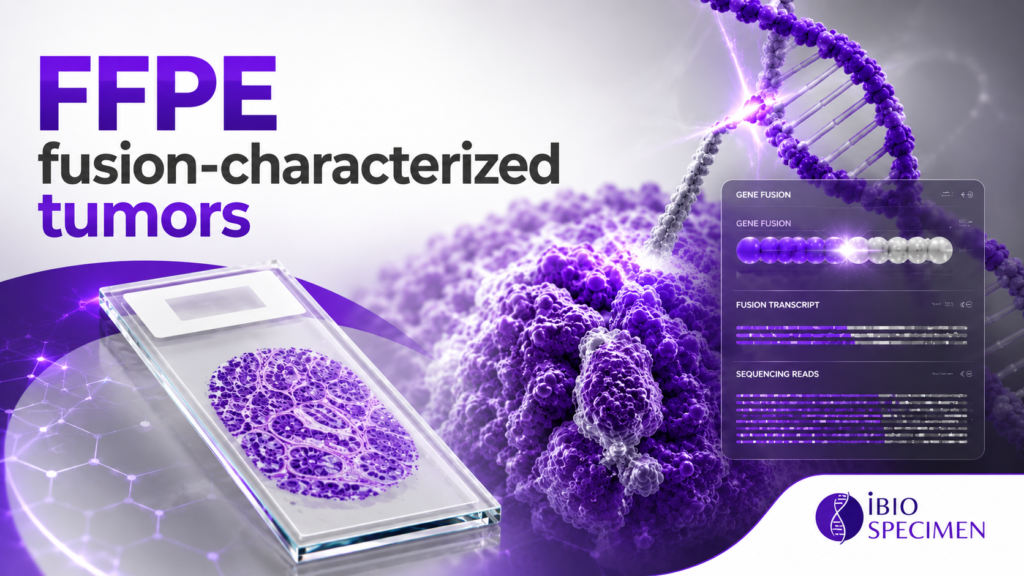
How FFPE fusion -characterized tumors Accelerate Translational Biomarker Research
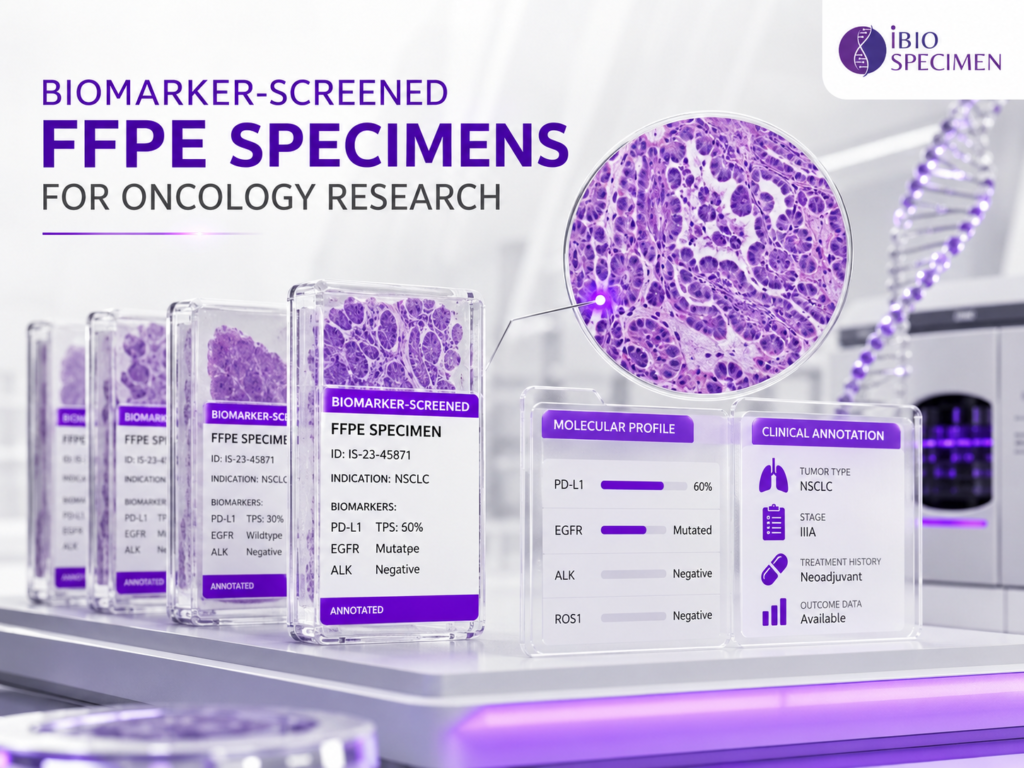
Translational teams often lose time screening archival tissue that lacks usable RNA or the molecular context needed for a focused study. Fusion-characterized FFPE tumors help reduce that uncertainty by linking preserved material with documented fusion status with histopathology and molecular context. Researchers can define eligibility around diagnosis, tumor content, collection period, specimen format and relevant molecular findings before laboratory work begins. This supports rare-event cohort building and targeted oncology studies while preserving the value of real-world FFPE archives. A well-curated offering should make clear which data were generated, which quality metrics are available and whether residual curls, unstained slides or whole blocks can be supplied.
Pathology review, de-identification, ethical provenance and permitted research use should also be documented. Buyers should still confirm compatibility with their extraction method, library-preparation chemistry and analytical pipeline because fixation, age and storage can affect RNA performance. When these elements are transparent, procurement becomes more efficient, avoidable assay failures decline and study teams can reserve confirmatory testing for the cases most likely to meet the protocol.
What to Evaluate Before Ordering FFPE fusion-characterized tumors
Selecting fusion-characterized FFPE tumors requires more than checking whether an RNA result exists. Start with the research question and define the disease subtype, specimen age, fixation history, tumor percentage, necrosis limit and minimum material required for testing. Then review how documented fusion status with histopathology and molecular context were produced, including extraction method, library strategy, sequencing platform, reference build, software version and quality thresholds where available.

Optimized for DNA Sequencing
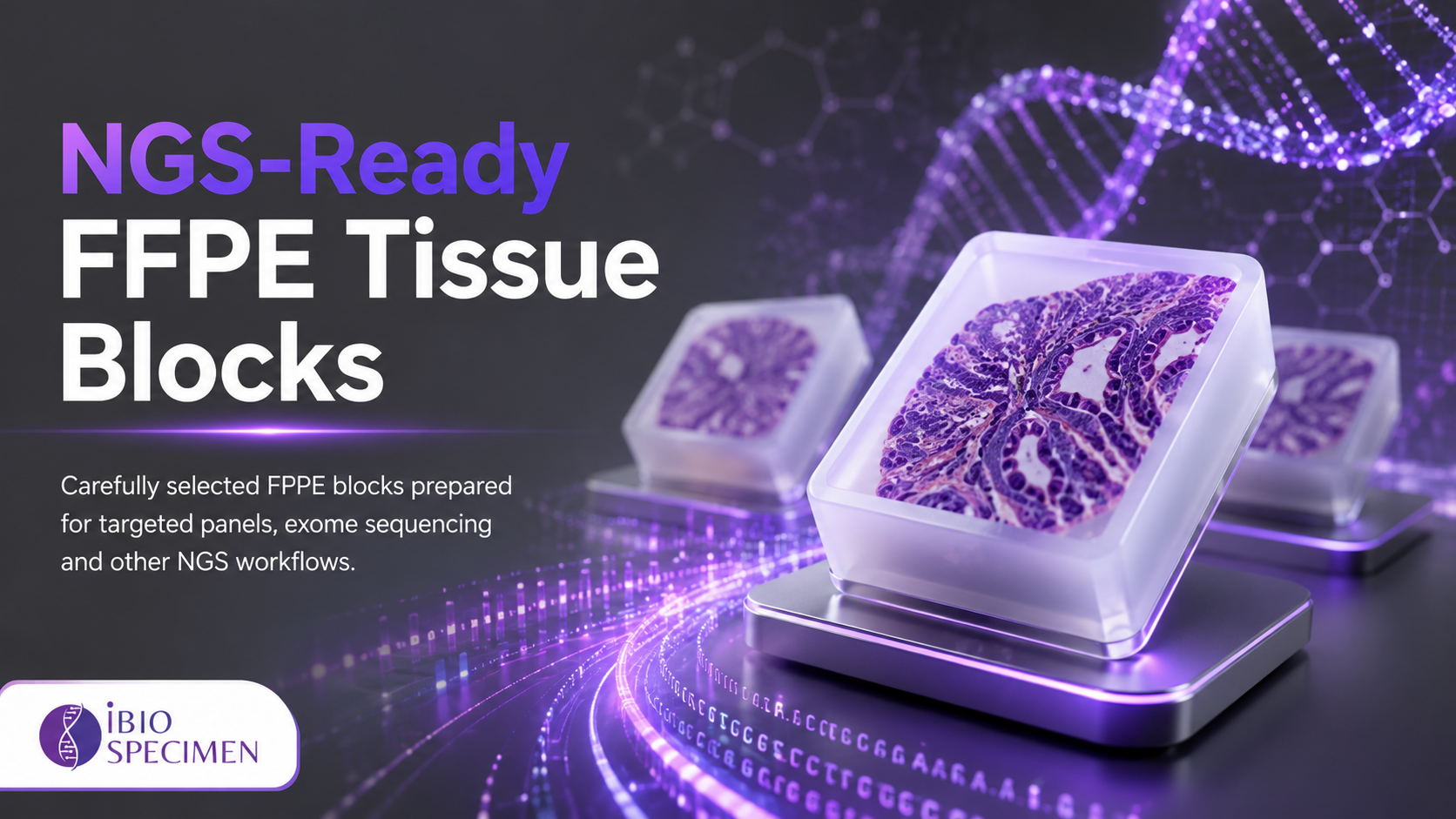
NGS-Ready FFPE Tissue Blocks
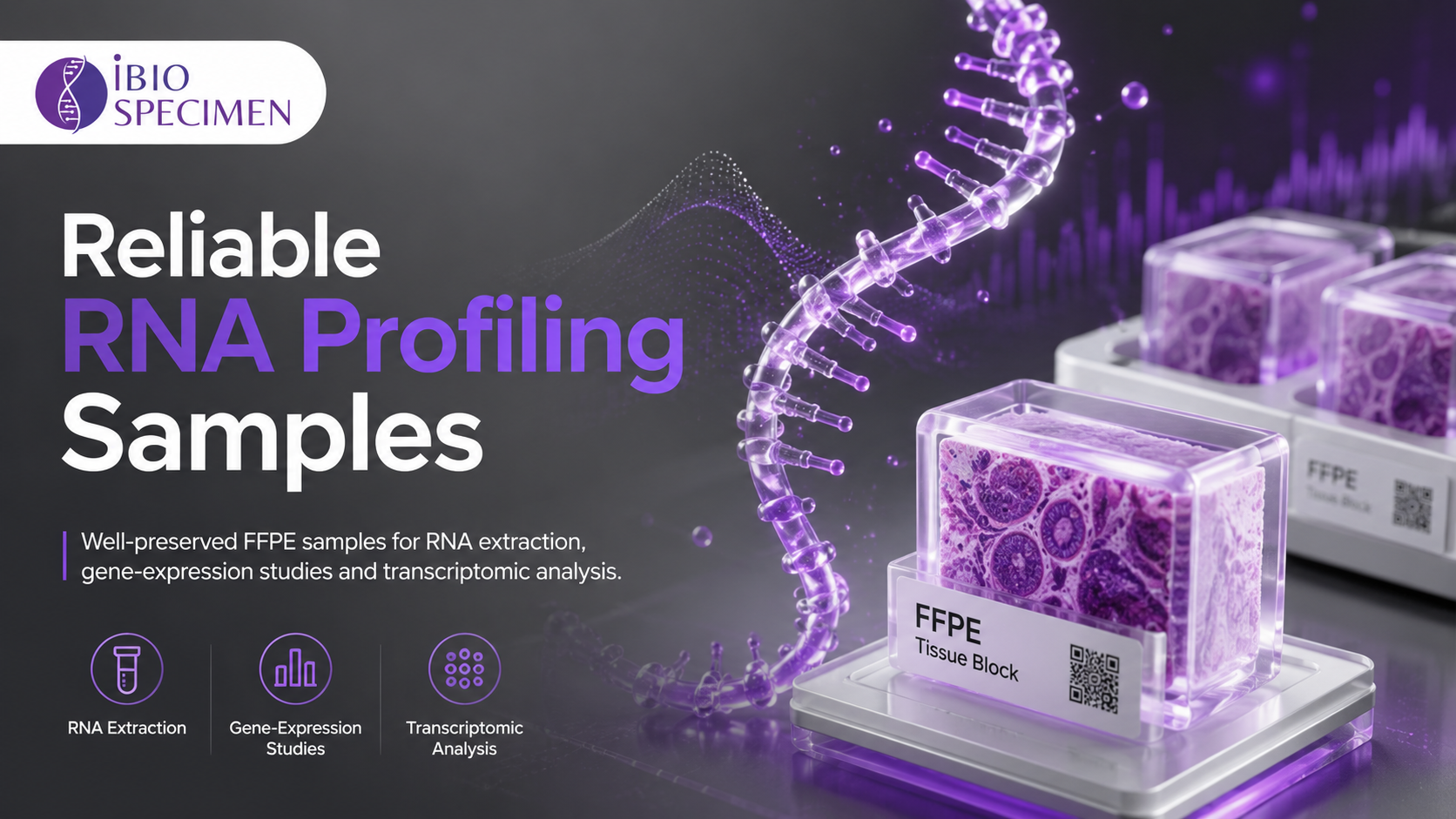
Reliable RNA Profiling Samples
Using FFPE fusion-characterized tumors for Assay Development and Validation
Fusion-characterized FFPE tumors can support early assay development by providing realistic preserved-tissue inputs rather than idealized fresh RNA alone. Because the associated evidence includes documented fusion status with histopathology and molecular context, developers can assemble discovery, training, challenge and verification sets aligned with the intended analytical claim. A useful cohort may include a range of RNA quality, tumor content, expression levels and relevant positive or negative molecular findings so that performance is tested across real laboratory conditions.
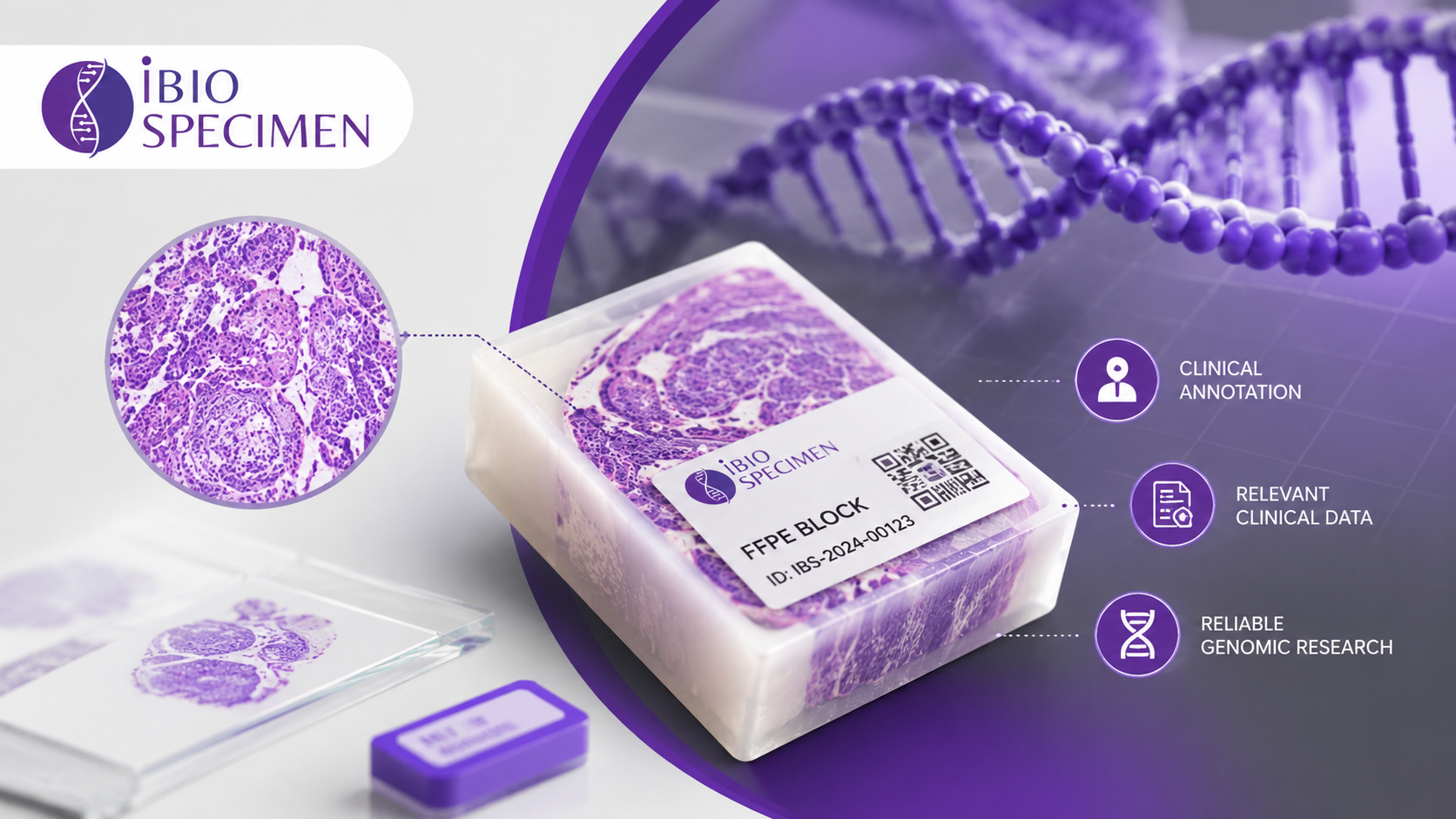
Clinically Annotated Tissue Samples
FFPE blocks supplied with relevant clinical details for reliable genomic research.

Comprehensive Pathology Data Included
Each sample includes diagnosis, grade, stage, tumor content, and pathology information.

Optimized for Genomic Analysis
Samples are suitable for DNA, RNA, NGS, mutation analysis, and molecular profiling.
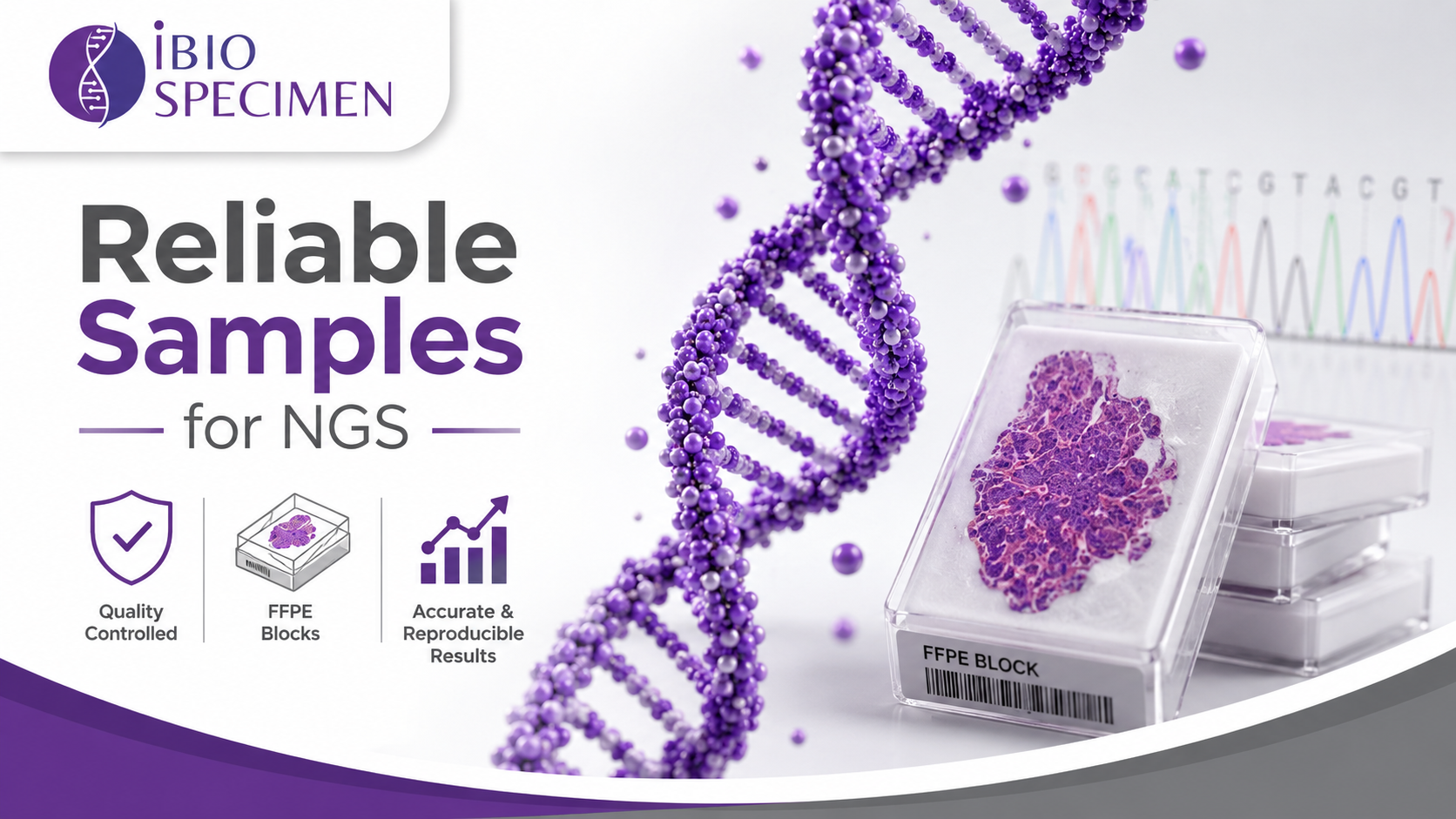
Reliable Samples for NGS
Quality-controlled FFPE blocks support accurate sequencing and reproducible genomic results.
Building Reliable Cohorts with FFPE fusion-characterized tumors
A reliable cohort begins with a protocol-driven sample matrix, not a simple request for any available tissue. For fusion-characterized FFPE tumors, define target diagnoses, stage or grade, demographic variables, treatment context when available, collection years and the required balance of molecular subgroups. The core value comes from connecting each case to documented fusion status with histopathology and molecular context, pathology review and usable specimen inventory. This enables more controlled rare-event cohort building and targeted oncology studies and reduces hidden heterogeneity. Cohort builders should distinguish mandatory variables from desirable variables so rare cases are not excluded unnecessarily.
They should also predefine missing-data rules, acceptable RNA quality ranges and whether re-sequencing is permitted. Data harmonization matters when results originate from different laboratories, panels or pipelines; raw data, processed matrices and summarized calls answer different questions and should not be treated as interchangeable. A transparent manifest should use de-identified specimen identifiers and state block availability, slide availability and any prior sectioning. When the provider and sponsor agree on acceptance criteria before shipment, the final cohort is easier to audit, analyze and expand in later study phases.
Quality and Data Standards for FFPE fusion-characterized tumors
The usefulness of fusion-characterized FFPE tumors depends on both tissue quality and data quality. Tissue review should confirm diagnosis, specimen type, tumor area, cellularity and major confounders such as necrosis or low lesional content. RNA documentation may include extraction yield, concentration, purity, fragment distribution, DV200, library metrics, mapped reads and gene-detection statistics, depending on what was originally generated. For the associated dataset, researchers should know whether documented fusion status with histopathology and molecular context are raw, normalized or interpreted outputs and should receive definitions for every field.
These controls are particularly important for rare-event cohort building and targeted oncology studies. File formats, reference genome, annotation release and processing pipeline should be stated so that downstream comparisons remain reproducible. Any fusion or biomarker label should identify the detection method and confidence criteria, and pre-existing calls may require confirmation in the sponsor’s workflow. Ethical provenance, de-identification and secure transfer are part of quality, not administrative extras. Clear standards allow teams to identify technical bias early, avoid overinterpreting degraded material and create an analysis-ready cohort with traceable limitations.
Where FFPE fusion-characterized tumors Add Value in Precision Oncology Research
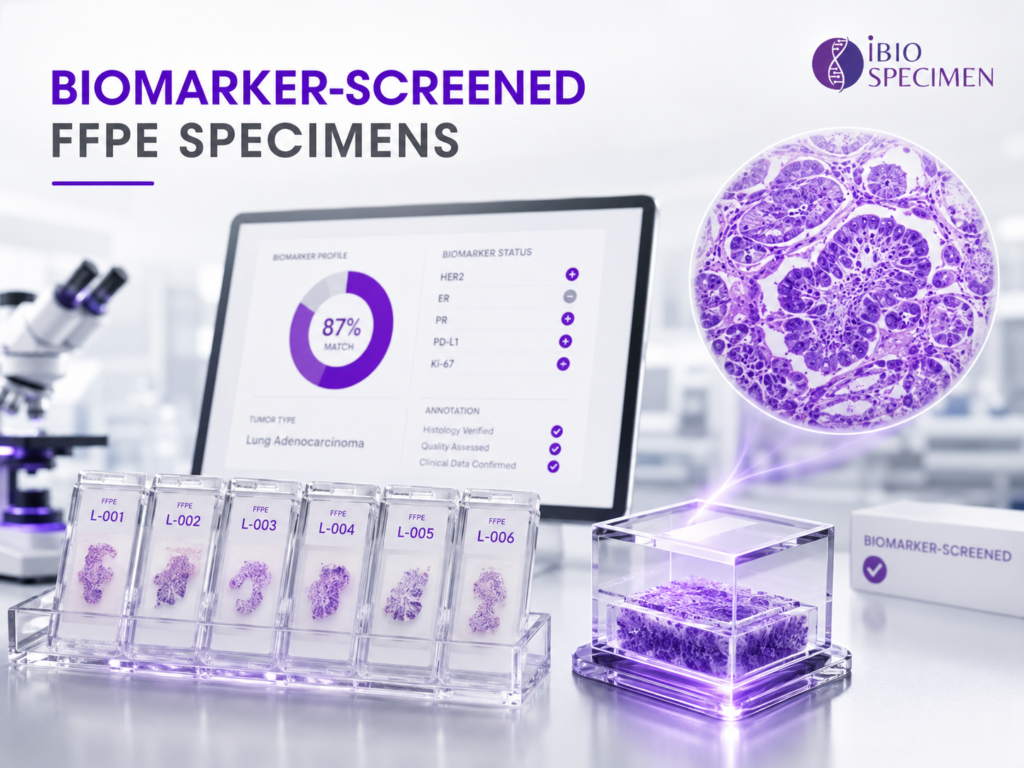
Precision-oncology programs increasingly need tissue resources that connect morphology with measurable molecular biology. Fusion-characterized FFPE tumors provide this bridge through documented fusion status with histopathology and molecular context, allowing researchers to explore expression signatures, pathway activity, tumor classification and candidate biomarkers in clinically representative preserved tissue. They can be useful for rare-event cohort building and targeted oncology studies, especially when prospective collection would be slow or rare molecular subsets are required. The strongest projects link the RNA information to expert pathology review and, where available, matched clinical, IHC, FISH or DNA results.
These layers can support hypothesis generation and improve biological interpretation, but they do not remove the need for independent validation. Study teams should guard against selection bias, variable fixation, uneven follow-up and confounding between collection site and molecular subgroup. A staged design works well: begin with a feasibility set, confirm RNA and metadata performance, then expand into a statistically planned cohort. When specimens, data dictionaries and analytical assumptions are aligned from the start, archival FFPE resources become a practical foundation for reproducible biomarker research rather than merely a source of tissue.
General Questions
Frequent Asked Questions!!
FFPE blocks for genomics are formalin-fixed, paraffin-embedded tissue samples used for DNA, RNA, and biomarker analysis. They are widely used in cancer genomics, molecular pathology, translational research, and retrospective studies.
FFPE tissue blocks are valuable because they preserve tissue architecture and molecular material for long-term storage. Researchers can use them for sequencing, mutation analysis, biomarker discovery, and validation studies.
Yes. DNA can be extracted from FFPE blocks using validated extraction kits and optimized laboratory protocols. DNA quality depends on fixation time, block age, tissue type, tumor content, and storage conditions.
Yes. RNA can be extracted from FFPE tissue, although it is often fragmented because of formalin fixation. Specialized FFPE RNA extraction methods can provide material suitable for targeted RNA sequencing, gene expression studies, and fusion analysis.
Yes. High-quality FFPE blocks are commonly used for next-generation sequencing, including targeted sequencing panels, whole-exome sequencing, RNA sequencing, and selected whole-genome applications.
Tumor content requirements depend on the study design and testing method. Many molecular and NGS studies require at least 20% tumor content, while some projects may require 30%, 50%, or higher tumor percentage. Pathologist review can be performed to confirm tumor content before shipment
FFPE blocks can support mutation testing, copy number analysis, gene fusion detection, microsatellite instability testing, tumor mutational burden analysis, methylation studies, and targeted DNA or RNA sequencing.
Yes. FFPE cancer tissue blocks are extensively used to study genomic alterations in lung, breast, colorectal, prostate, ovarian, pancreatic, liver, kidney, and other tumor types.
Researchers can purchase FFPE blocks from qualified biospecimen suppliers, biobanks, pathology laboratories, hospitals, and research networks that provide ethically sourced and clinically annotated human tissue samples.
Researchers should confirm diagnosis, tissue type, tumor percentage, necrosis percentage, fixation details, block age, specimen size, available clinical data, pathology review, consent status, and intended research-use permissions.
Yes. Clinically annotated FFPE blocks may include donor age, sex, diagnosis, grade, stage, TNM classification, treatment history, pathology report, mutation status, and clinical outcome data.