

Introduction to

FFPE Blocks with NGS Data

Buy FFPE Blocks With NGS Data for Cancer Research

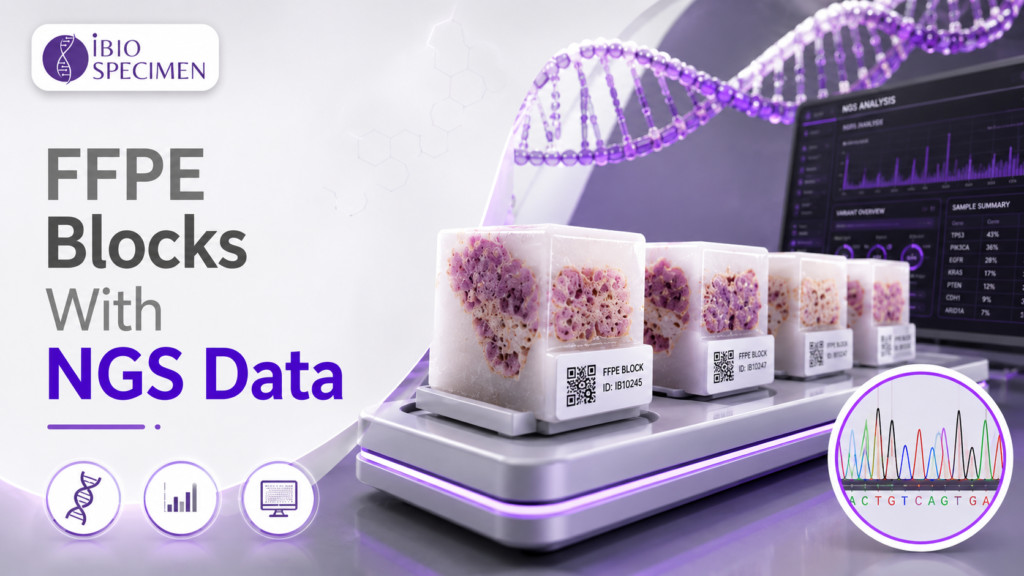
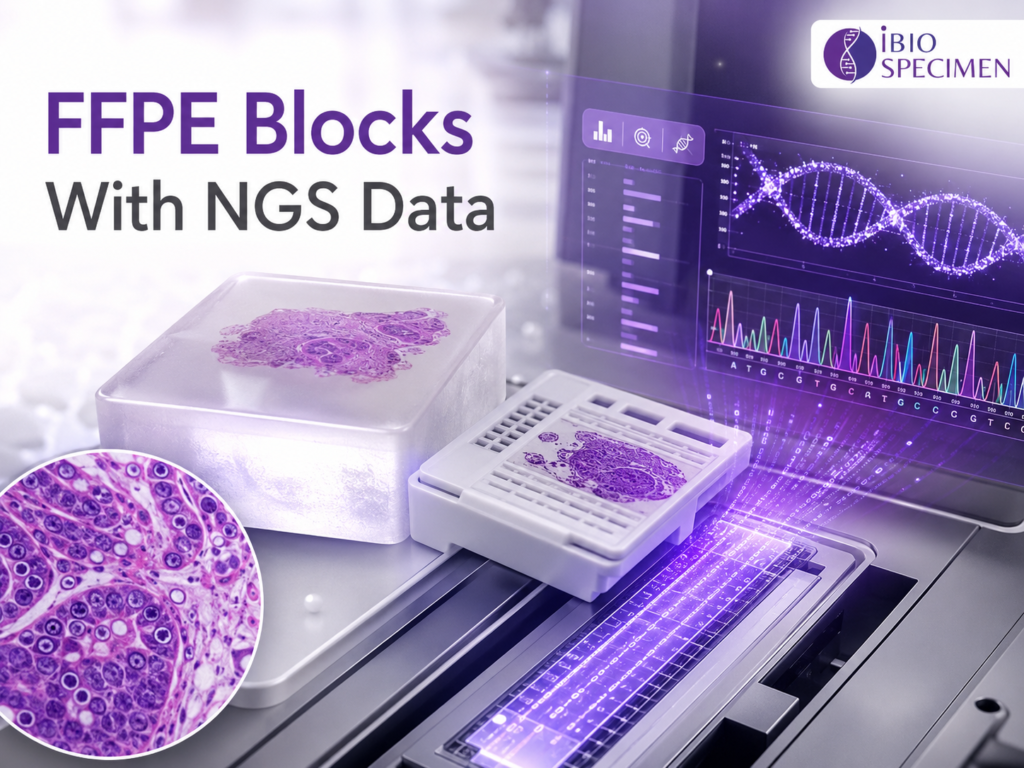
FFPE blocks with NGS data combine physical tumour tissue with sequencing results that can support cancer research and translational assay development. The associated data may come from targeted oncology panels, comprehensive genomic profiling, whole-exome sequencing or other next-generation sequencing approaches. Depending on the assay, results may include single-nucleotide variants, insertions and deletions, copy-number alterations, gene fusions and selected genomic signatures. Researchers can use the remaining block material for confirmatory testing, IHC, FISH, RNA analysis or additional sequencing.

Before purchasing, it is important to review the panel content, sequencing platform, coverage, quality metrics and interpretation of reported variants. A mutation reported as absent cannot be reliably evaluated unless the assay adequately covered that gene and alteration type. Pathologist review should confirm diagnosis, tumour percentage, necrosis and remaining tissue. Properly consented and de-identified FFPE blocks with NGS data can help create molecularly selected cancer cohorts while reducing the need for extensive prescreening.

FFPE Blocks With NGS Data for Biomarker Validation

FFPE blocks with NGS data are useful for biomarker-validation studies because they allow researchers to test a candidate assay against an existing molecular reference. The tissue can be analysed using IHC, PCR, FISH, digital pathology or another NGS method, and the new results can be compared with the previously reported genomic profile. Cohorts may be enriched for specific mutations, amplifications, deletions, fusions or genomic signatures.

Optimized for DNA Sequencing

High-quality FFPE tissue blocks suitable for DNA extraction, mutation analysis and genomic sequencing.
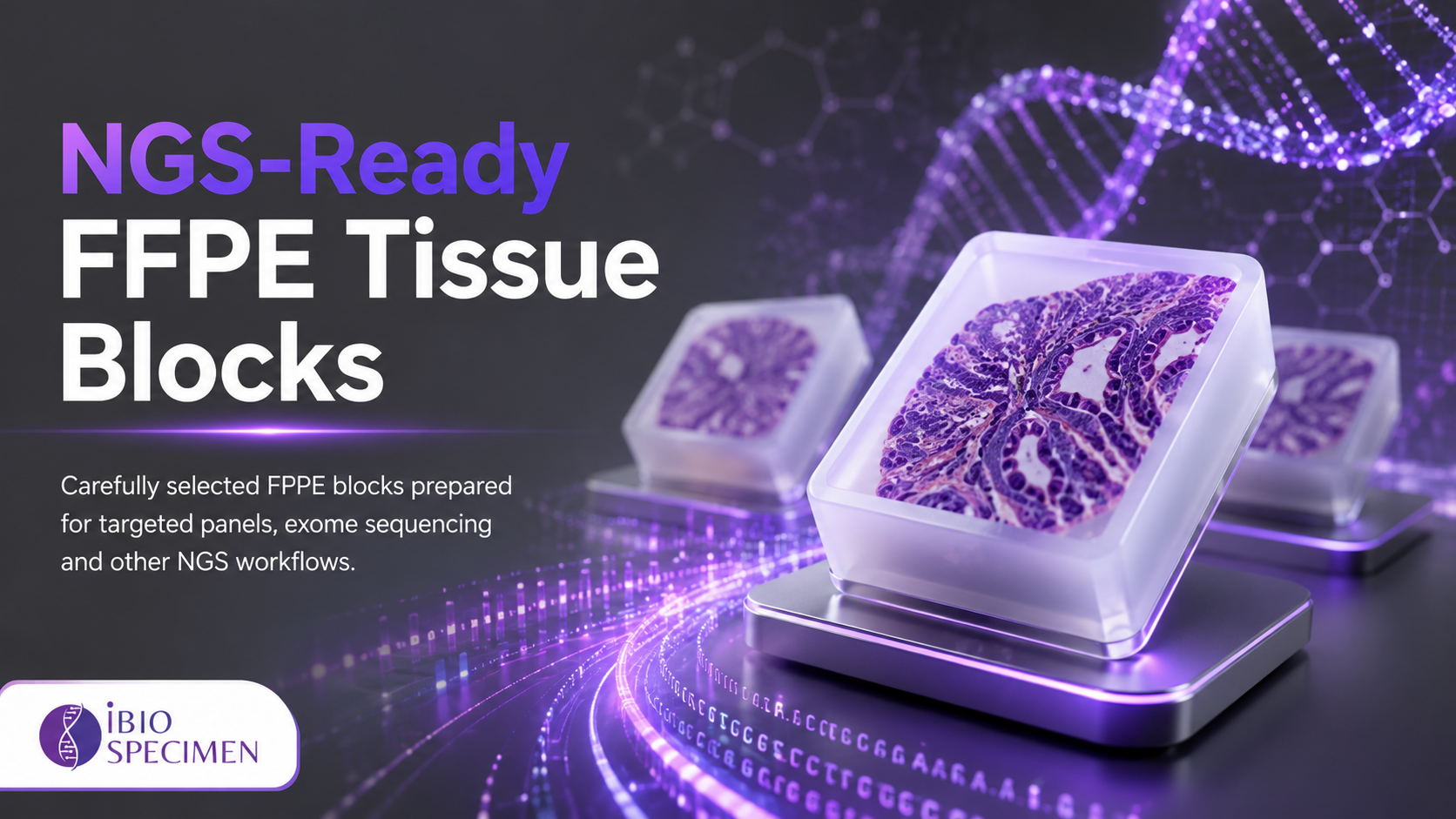
NGS-Ready FFPE Tissue Blocks

Carefully selected FFPE blocks prepared for targeted panels, exome sequencing and other NGS workflows.
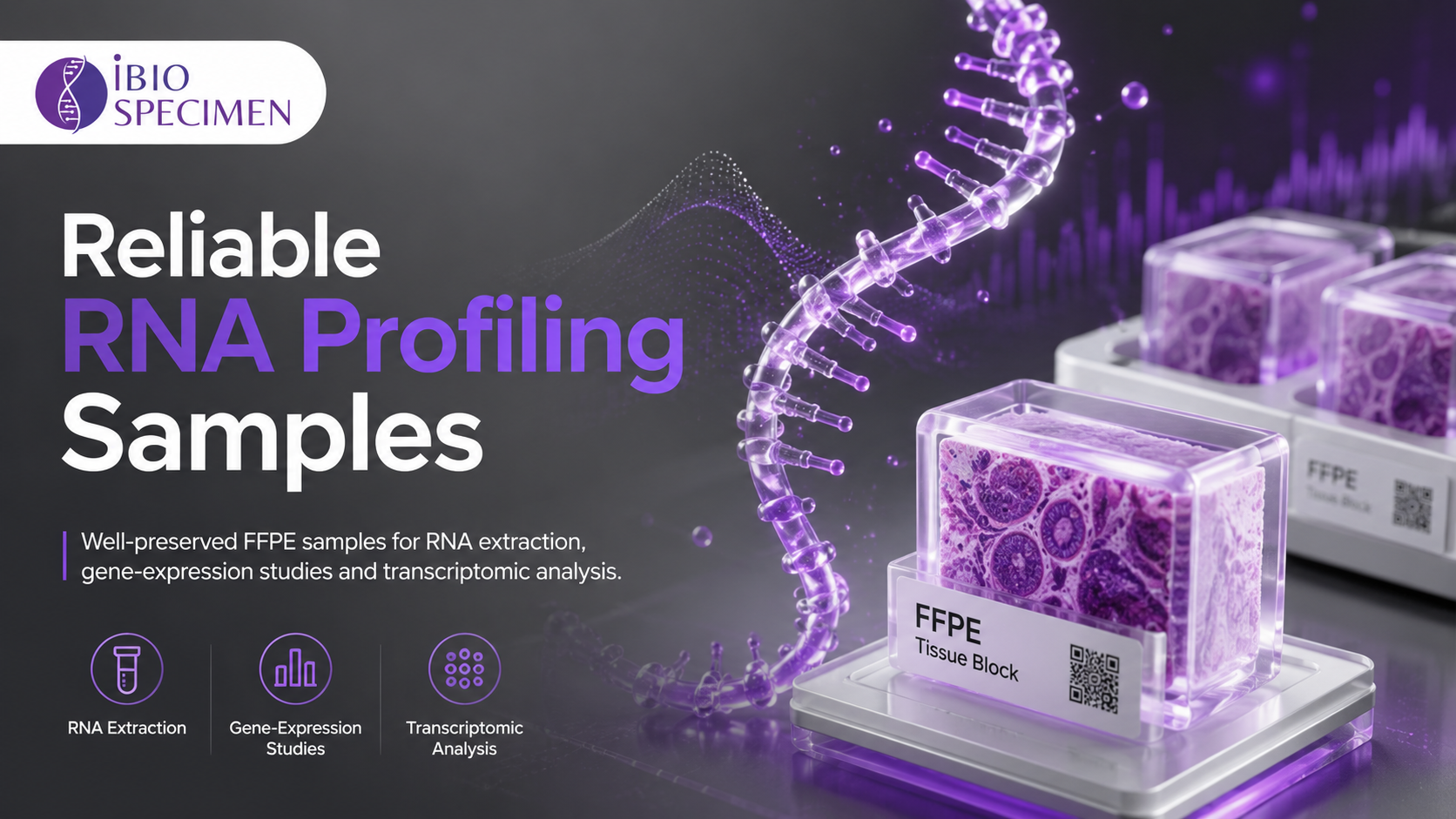
Reliable RNA Profiling Samples

Well-preserved FFPE samples supporting RNA extraction, gene-expression studies and transcriptomic analysis.
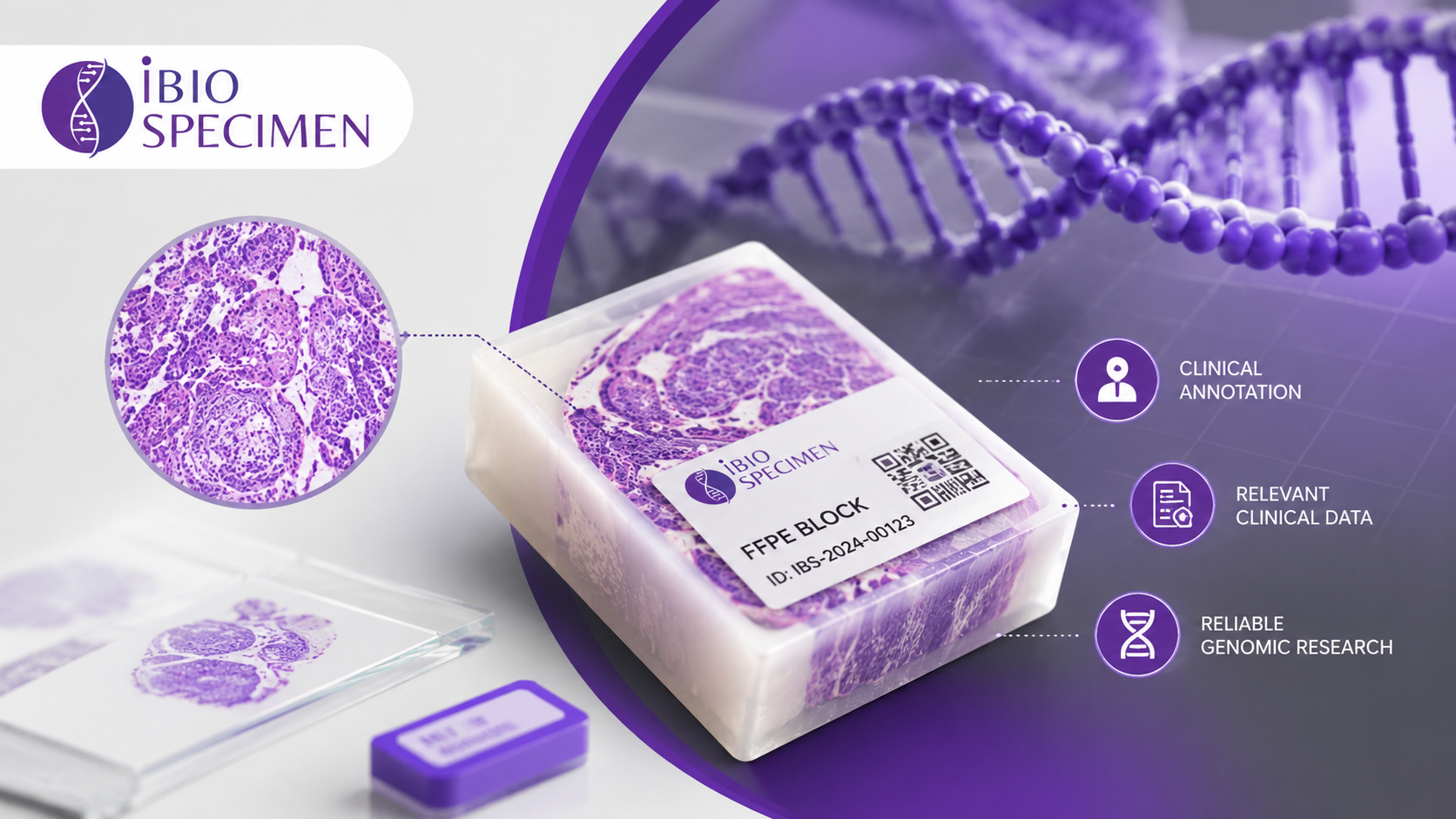
Clinically Annotated FFPE Blocks With NGS Data

Clinically annotated FFPE blocks with NGS data provide a research-ready combination of preserved tumour tissue, sequencing findings and patient-level clinical information. Available annotations may include demographic information, diagnosis, histological subtype, stage, grade, collection site, treatment exposure and outcome data. These integrated cohorts can support studies of actionable alterations, mechanisms of resistance, prognosis and potential predictors of treatment response.

Clinically Annotated Tissue Samples

FFPE blocks supplied with relevant clinical details for reliable genomic research.
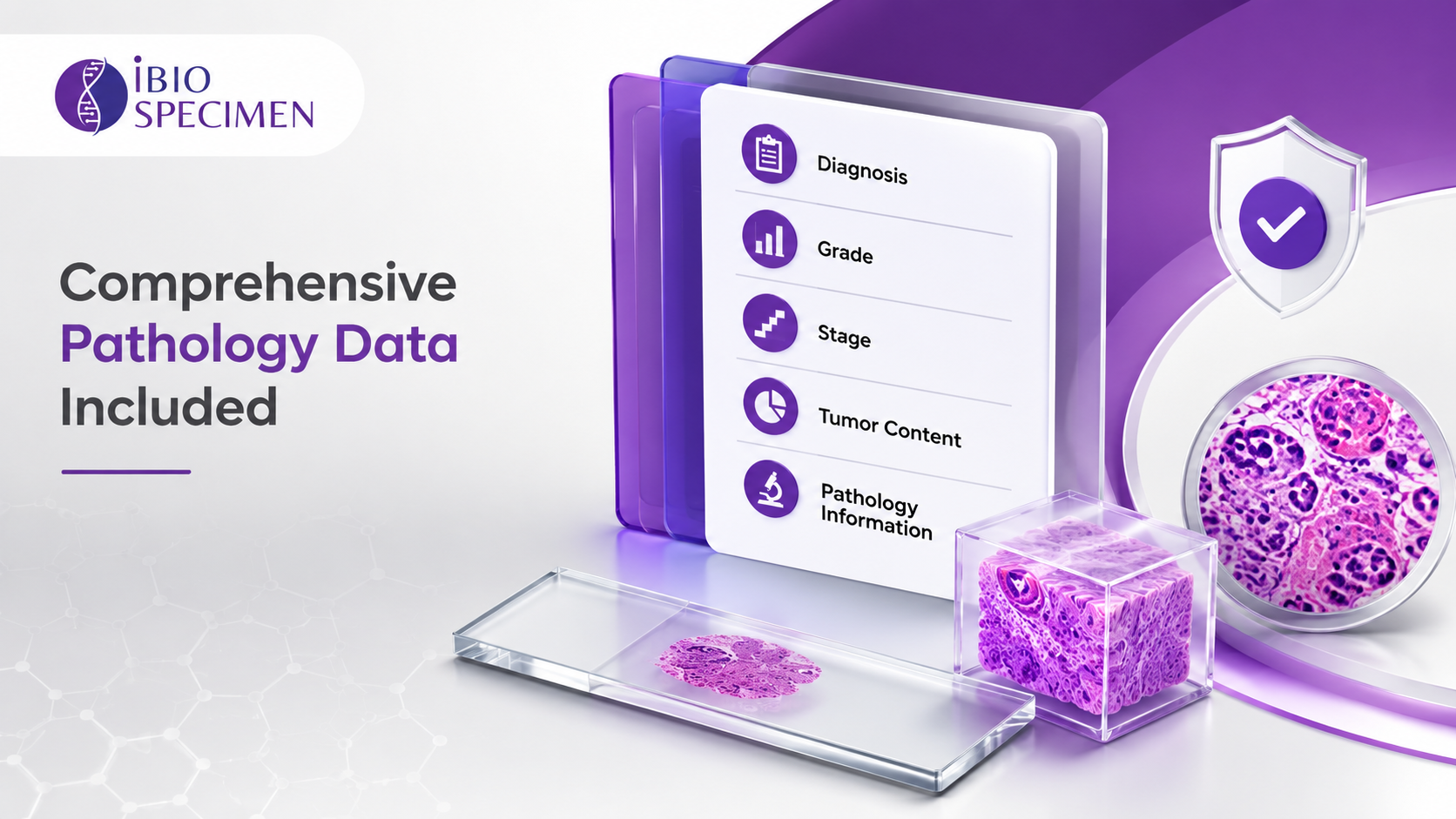
Comprehensive Pathology Data Included

Each sample includes diagnosis, grade, stage, tumor content, and pathology information.

Optimized for Genomic Analysis

Samples are suitable for DNA, RNA, NGS, mutation analysis, and molecular profiling.

Reliable Samples for NGS

Quality-controlled FFPE blocks support accurate sequencing and reproducible genomic results.
Source Mutation -Profiled FFPE Blocks With NGS Data

Mutation-profiled FFPE blocks can be sourced according to individual genes, alteration classes or broader genomic eligibility criteria. Researchers may request blocks carrying mutations in genes such as EGFR, KRAS, BRAF, PIK3CA, BRCA1 or BRCA2, depending on the cancer type and research objective. Other projects may require gene fusions, copy-number changes, microsatellite instability or tumour mutational burden. The sourcing request should state whether pathogenic variants only are acceptable and whether variants of uncertain significance should be excluded.

It should also specify minimum variant allele frequency, tumour percentage, tissue quantity and acceptable sequencing platforms when relevant. A detailed manifest and de-identified NGS report can help verify sample eligibility before procurement. Because genomic heterogeneity and tissue depletion can affect downstream testing, a fresh pathology assessment may be required. Properly curated mutation-profiled FFPE blocks with NGS data help researchers assemble focused cohorts for drug development, assay validation and comparative molecular studies.

FFPE Tumor Blocks With NGS Data for Precision Oncology

FFPE tumour blocks with NGS data provide a practical resource for investigating how genomic alterations may inform precision-oncology strategies. Researchers can select specimens according to actionable mutations, resistance markers, gene fusions, amplifications or molecular pathways relevant to a targeted therapy. The physical tissue enables additional testing to examine whether the genomic finding is associated with protein expression, histological features or spatial distribution within the tumour.

Selected blocks may also support repeat DNA or RNA extraction when sufficient material remains. Interpretation should consider tumour purity, sequencing depth, allele frequency and the analytical capabilities of the original NGS assay. When clinical data are available, the cohort may be used to explore associations with treatment selection, response or progression, although such studies require carefully defined endpoints and adequate follow-up. Ethically sourced, pathology-reviewed FFPE tumour blocks with NGS data can help connect molecular profiles with tissue-level evidence in precision-oncology research.

Order Quality -Controlled FFPE Blocks With Sequencing Data

Ordering quality-controlled FFPE blocks with sequencing data begins with a clear specification of the required cancer type, specimen format, biomarker profile and data package. Researchers should define minimum tumour content, maximum necrosis, acceptable block age, remaining tissue requirements and permitted sequencing methods. Quality control may include pathology confirmation using a recent H&E slide, review of tissue dimensions and evaluation of block integrity. The sequencing information should identify the assay, panel, platform, variant nomenclature and available analytical metrics. When a particular genomic alteration is mandatory, confirmatory testing can be requested before shipment. The supporting manifest may contain diagnosis, stage, grade, collection site, genomic findings and available clinical annotations. Specimens should be supplied under appropriate consent, ethical approval, material-transfer terms and privacy protections. Agreeing on acceptance criteria and a replacement policy before procurement helps manage samples that fail pathology review, yield insufficient nucleic acid or do not reproduce the expected sequencing result.

General Questions

Frequent Asked Questions!!

FFPE blocks for genomics are formalin-fixed, paraffin-embedded tissue samples used for DNA, RNA, and biomarker analysis. They are widely used in cancer genomics, molecular pathology, translational research, and retrospective studies.

FFPE tissue blocks are valuable because they preserve tissue architecture and molecular material for long-term storage. Researchers can use them for sequencing, mutation analysis, biomarker discovery, and validation studies.

Yes. DNA can be extracted from FFPE blocks using validated extraction kits and optimized laboratory protocols. DNA quality depends on fixation time, block age, tissue type, tumor content, and storage conditions.

Yes. RNA can be extracted from FFPE tissue, although it is often fragmented because of formalin fixation. Specialized FFPE RNA extraction methods can provide material suitable for targeted RNA sequencing, gene expression studies, and fusion analysis.

Yes. High-quality FFPE blocks are commonly used for next-generation sequencing, including targeted sequencing panels, whole-exome sequencing, RNA sequencing, and selected whole-genome applications.

Tumor content requirements depend on the study design and testing method. Many molecular and NGS studies require at least 20% tumor content, while some projects may require 30%, 50%, or higher tumor percentage. Pathologist review can be performed to confirm tumor content before shipment

FFPE blocks can support mutation testing, copy number analysis, gene fusion detection, microsatellite instability testing, tumor mutational burden analysis, methylation studies, and targeted DNA or RNA sequencing.

Yes. FFPE cancer tissue blocks are extensively used to study genomic alterations in lung, breast, colorectal, prostate, ovarian, pancreatic, liver, kidney, and other tumor types.

Researchers can purchase FFPE blocks from qualified biospecimen suppliers, biobanks, pathology laboratories, hospitals, and research networks that provide ethically sourced and clinically annotated human tissue samples.

Researchers should confirm diagnosis, tissue type, tumor percentage, necrosis percentage, fixation details, block age, specimen size, available clinical data, pathology review, consent status, and intended research-use permissions.

Yes. Clinically annotated FFPE blocks may include donor age, sex, diagnosis, grade, stage, TNM classification, treatment history, pathology report, mutation status, and clinical outcome data.

Like this blog?

FFPE Blocks for Genomics Research