
FFPE blocks for research
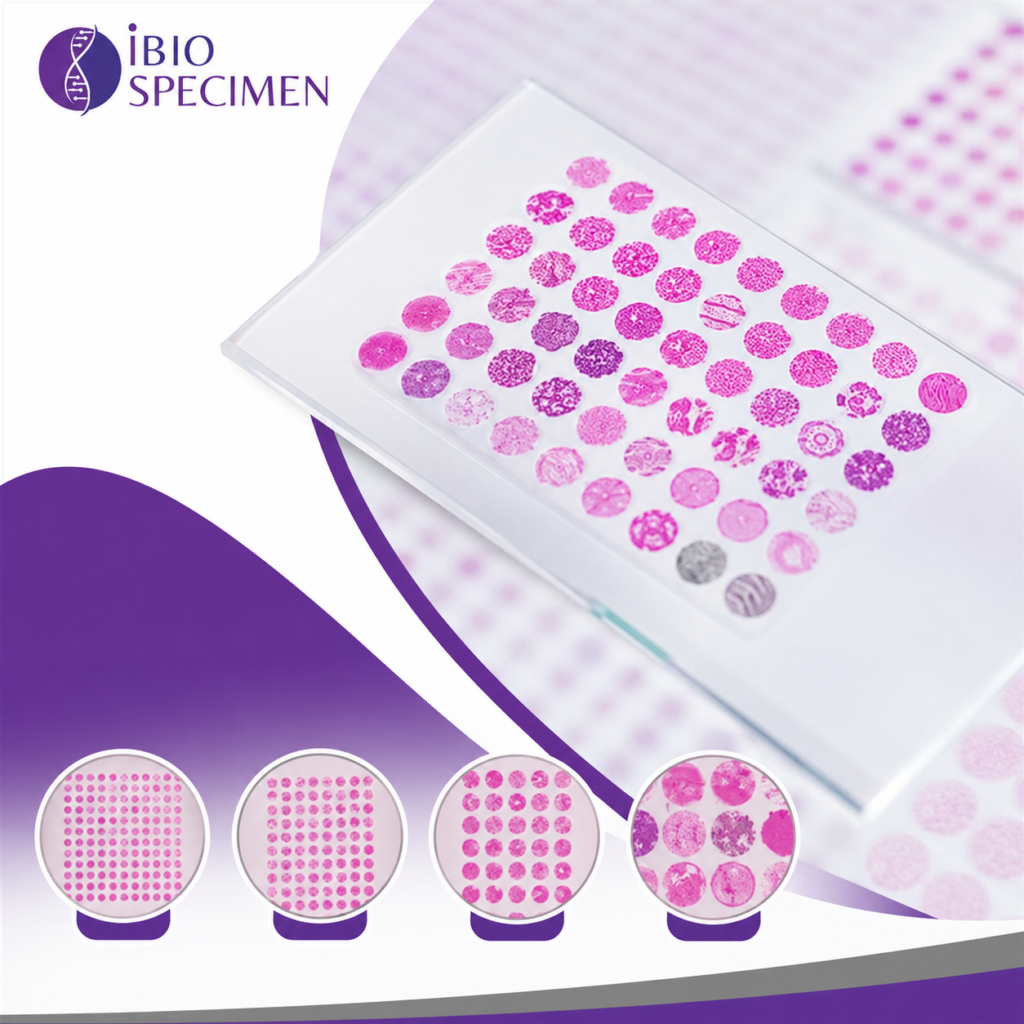
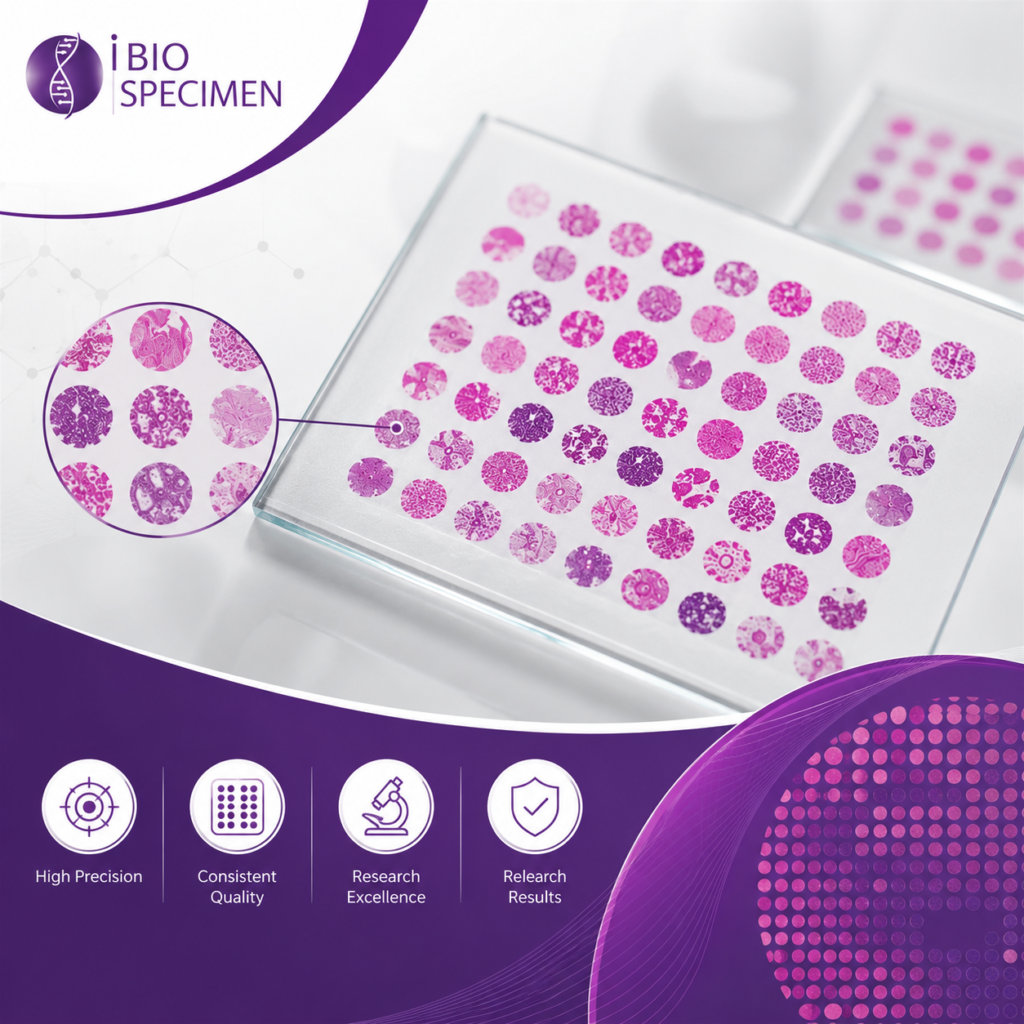
A tissue microarray (TMA) is an innovative technique that can be used to analyze multiple tissue samples simultaneously. This cost-effective method has been used extensively across mediums in diagnosis, treatment, and research, proving its efficiency and versatility.
A tissue microarray (TMA) is an innovative technique that can be used to analyze multiple tissue samples simultaneously. This cost-effective method has been used extensively across mediums in diagnosis, treatment, and research, proving its efficiency and versatility.
A tissue microarray (TMA) is an innovative technique that can be used to analyze multiple tissue samples simultaneously.
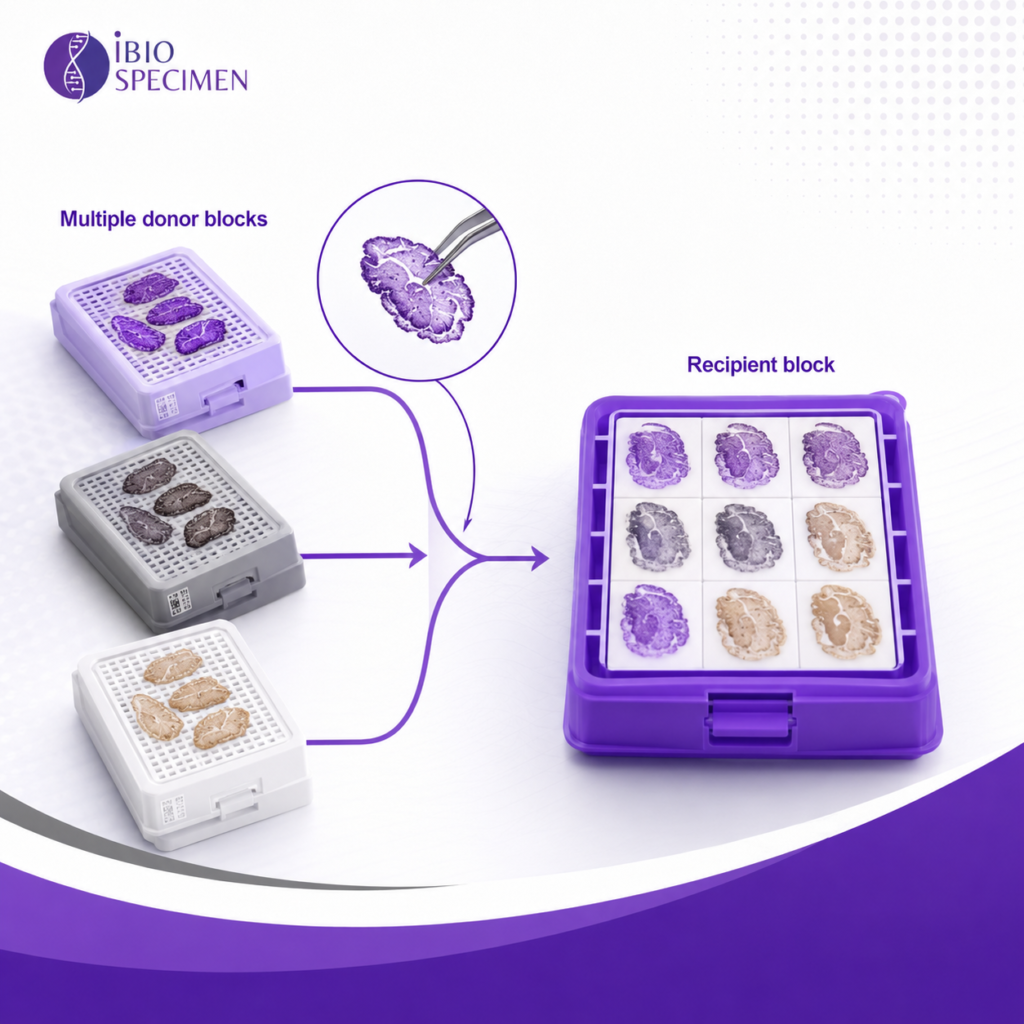
When the tissue sections are ready to join the final array, they will be transferred into another block called the “recipient” block. The sections can come from multiple donor blocks. The recipient block must contain paraffin with a low melting point, and during the embedding process, care must be taken that no bubbles form within the block, or it will disrupt the array. Additionally, recipient block holes must be made immediately before the transfer occurs, otherwise the elasticity of the paraffin will cause the holes to lose their shape. Once the sections are transferred in the block, the array must be allowed to set by incubating and cooling it, making the sections firm and easier to handle. Finally, the entire array is stained, such as with immunoflourescent staining using hematoxylin and eosin, for optimal representation.
The array is organized such that X-Y coordinates are used to keep track of the tissues.
The array is organized such that X-Y coordinates are used to keep track of the tissues.
Research often gets hindered due to issues with reproducibility and consistency, impacting scientific progress profoundly.
To overcome these challenges, formalin fixed paraffin embedded blocks offer a robust solution.
By preserving the architecture and cellular details of tissue samples, they ensure reliable and reproducible results in various research endeavors.
Formalin fixed paraffin embedded blocks are indispensable in research due to their unparalleled ability to maintain tissue integrity and morphology. This preservation method allows for seamless integration into numerous experimental protocols, ensuring high reproducibility. Researchers benefit from the fidelity of genomic, proteomic, and histological data extracted from these meticulously preserved blocks. Additionally, the extended longevity of samples facilitates long-term studies and retrospective analyses. Ultimately, formalin fixed paraffin embedded blocks propel scientific discovery by providing a consistent and reliable foundation for cutting-edge research initiatives.
Formalin fixed paraffin embedded blocks provide an unparalleled solution to the challenge of preserving tissue samples for research. These blocks not only retain the original architecture and cellular details but also enable consistent and reproducible results across various scientific investigations.
The fidelity of the genomic, proteomic, and histological data extracted from these blocks stands as a testament to their reliability. Researchers can confidently utilize these samples in complex experimental protocols without the concern of data degradation over time. This reliability lays a robust foundation for longitudinal studies.
Additionally, the extended longevity of formalin fixed paraffin embedded blocks proves invaluable for retrospective analyses. Scientists can revisit old samples with the assurance that their integrity remains intact, thereby unlocking new insights and hypotheses from past data. This extended usability fosters a rich archive of biological information for future explorations.
Incorporating formalin fixed paraffin embedded blocks into research workflows enhances the reproducibility of findings, a cornerstone of scientific progress. They serve as a critical asset for researchers aiming to push the boundaries of biomedical knowledge.
Ultimately, these blocks catalyze advancements by supporting rigorous and innovative research.
Research often gets hindered due to issues with reproducibility and consistency, impacting scientific progress profoundly.
To overcome these challenges, formalin fixed paraffin embedded blocks offer a robust solution.
By preserving the architecture and cellular details of tissue samples, they ensure reliable and reproducible results in various research endeavors.
Formalin fixed paraffin embedded blocks are indispensable in research due to their unparalleled ability to maintain tissue integrity and morphology. This preservation method allows for seamless integration into numerous experimental protocols, ensuring high reproducibility. Researchers benefit from the fidelity of genomic, proteomic, and histological data extracted from these meticulously preserved blocks. Additionally, the extended longevity of samples facilitates long-term studies and retrospective analyses. Ultimately, formalin fixed paraffin embedded blocks propel scientific discovery by providing a consistent and reliable foundation for cutting-edge research initiatives.
Formalin fixed paraffin embedded blocks provide an unparalleled solution to the challenge of preserving tissue samples for research. These blocks not only retain the original architecture and cellular details but also enable consistent and reproducible results across various scientific investigations.
The fidelity of the genomic, proteomic, and histological data extracted from these blocks stands as a testament to their reliability. Researchers can confidently utilize these samples in complex experimental protocols without the concern of data degradation over time. This reliability lays a robust foundation for longitudinal studies.
Additionally, the extended longevity of formalin fixed paraffin embedded blocks proves invaluable for retrospective analyses. Scientists can revisit old samples with the assurance that their integrity remains intact, thereby unlocking new insights and hypotheses from past data. This extended usability fosters a rich archive of biological information for future explorations.
Incorporating formalin fixed paraffin embedded blocks into research workflows enhances the reproducibility of findings, a cornerstone of scientific progress. They serve as a critical asset for researchers aiming to push the boundaries of biomedical knowledge.
Ultimately, these blocks catalyze advancements by supporting rigorous and innovative research.
Research often gets hindered due to issues with reproducibility and consistency, impacting scientific progress profoundly.
To overcome these challenges, formalin fixed paraffin embedded blocks offer a robust solution.
By preserving the architecture and cellular details of tissue samples, they ensure reliable and reproducible results in various research endeavors.
Formalin fixed paraffin embedded blocks are indispensable in research due to their unparalleled ability to maintain tissue integrity and morphology. This preservation method allows for seamless integration into numerous experimental protocols, ensuring high reproducibility. Researchers benefit from the fidelity of genomic, proteomic, and histological data extracted from these meticulously preserved blocks. Additionally, the extended longevity of samples facilitates long-term studies and retrospective analyses. Ultimately, formalin fixed paraffin embedded blocks propel scientific discovery by providing a consistent and reliable foundation for cutting-edge research initiatives.
Formalin fixed paraffin embedded blocks provide an unparalleled solution to the challenge of preserving tissue samples for research. These blocks not only retain the original architecture and cellular details but also enable consistent and reproducible results across various scientific investigations.
The fidelity of the genomic, proteomic, and histological data extracted from these blocks stands as a testament to their reliability. Researchers can confidently utilize these samples in complex experimental protocols without the concern of data degradation over time. This reliability lays a robust foundation for longitudinal studies.
Additionally, the extended longevity of formalin fixed paraffin embedded blocks proves invaluable for retrospective analyses. Scientists can revisit old samples with the assurance that their integrity remains intact, thereby unlocking new insights and hypotheses from past data. This extended usability fosters a rich archive of biological information for future explorations.
Incorporating formalin fixed paraffin embedded blocks into research workflows enhances the reproducibility of findings, a cornerstone of scientific progress. They serve as a critical asset for researchers aiming to push the boundaries of biomedical knowledge.
Ultimately, these blocks catalyze advancements by supporting rigorous and innovative research.
Research often gets hindered due to issues with reproducibility and consistency, impacting scientific progress profoundly.
To overcome these challenges, formalin fixed paraffin embedded blocks offer a robust solution.
By preserving the architecture and cellular details of tissue samples, they ensure reliable and reproducible results in various research endeavors.
Formalin fixed paraffin embedded blocks are indispensable in research due to their unparalleled ability to maintain tissue integrity and morphology. This preservation method allows for seamless integration into numerous experimental protocols, ensuring high reproducibility. Researchers benefit from the fidelity of genomic, proteomic, and histological data extracted from these meticulously preserved blocks. Additionally, the extended longevity of samples facilitates long-term studies and retrospective analyses. Ultimately, formalin fixed paraffin embedded blocks propel scientific discovery by providing a consistent and reliable foundation for cutting-edge research initiatives.
Formalin fixed paraffin embedded blocks provide an unparalleled solution to the challenge of preserving tissue samples for research. These blocks not only retain the original architecture and cellular details but also enable consistent and reproducible results across various scientific investigations.
The fidelity of the genomic, proteomic, and histological data extracted from these blocks stands as a testament to their reliability. Researchers can confidently utilize these samples in complex experimental protocols without the concern of data degradation over time. This reliability lays a robust foundation for longitudinal studies.
Additionally, the extended longevity of formalin fixed paraffin embedded blocks proves invaluable for retrospective analyses. Scientists can revisit old samples with the assurance that their integrity remains intact, thereby unlocking new insights and hypotheses from past data. This extended usability fosters a rich archive of biological information for future explorations.
Incorporating formalin fixed paraffin embedded blocks into research workflows enhances the reproducibility of findings, a cornerstone of scientific progress. They serve as a critical asset for researchers aiming to push the boundaries of biomedical knowledge.
Ultimately, these blocks catalyze advancements by supporting rigorous and innovative research.