
Digital Pathology Dataset Licensing
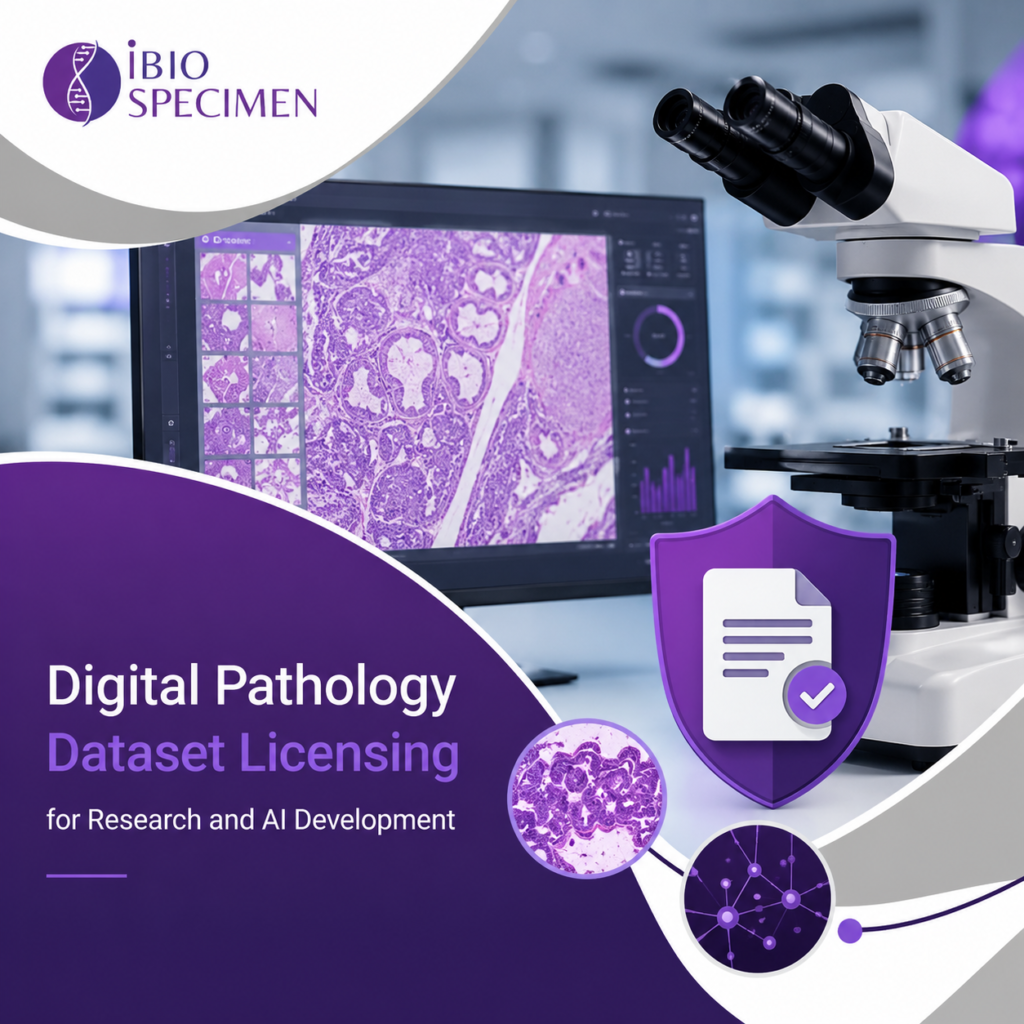

Digital pathology dataset licensing plays a critical role in advancing biomedical research, artificial intelligence development, and computational pathology innovations. Researchers, healthcare organizations, and technology companies rely on licensed digital pathology datasets to train, validate, and optimize machine learning algorithms for disease detection, classification, and prognosis prediction. These datasets typically include high-resolution whole slide images (WSIs), histopathology scans, tissue annotations, and associated clinical metadata that support robust AI model development. Access to well-curated digital pathology data enables scientists to improve diagnostic accuracy, automate image analysis workflows, and accelerate the discovery of novel biomarkers across various therapeutic areas.
Licensed digital pathology datasets provide a secure and compliant pathway for organizations seeking high-quality pathology images for research and product development. Whether supporting cancer research, immunology studies, rare disease investigations, or precision medicine initiatives, comprehensive pathology image collections help generate reliable and reproducible outcomes. Flexible licensing models allow researchers to access datasets tailored to specific project requirements while maintaining ethical standards and regulatory compliance. By leveraging expertly curated digital pathology datasets, organizations can reduce development timelines, enhance AI performance, and drive innovation in diagnostic technologies, ultimately contributing to improved patient outcomes and more efficient healthcare delivery.
High-Quality Digital Pathology Dataset Licensing Services
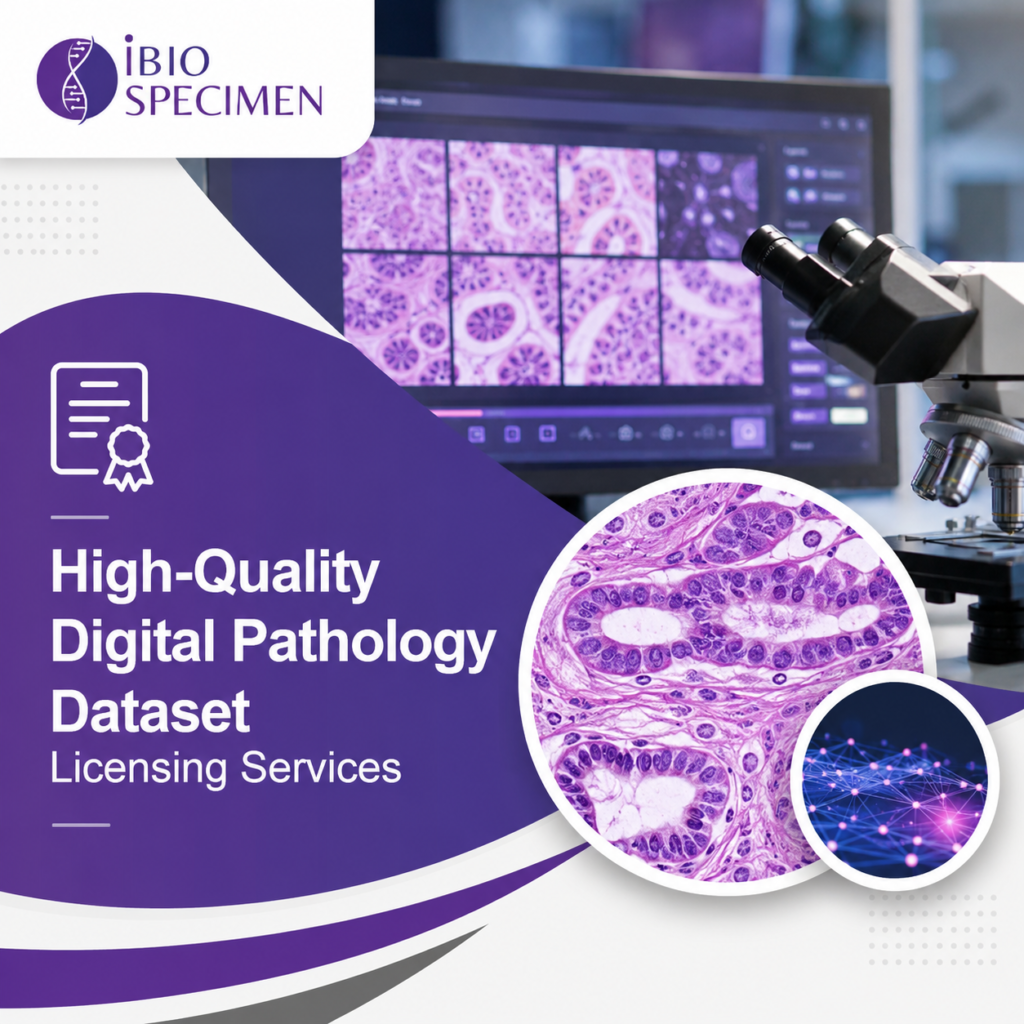
High-quality digital pathology dataset licensing services provide researchers and organizations with access to expertly curated pathology image collections designed for scientific discovery and AI innovation. These datasets often include whole slide images, histological tissue scans, annotated pathology slides, and relevant clinical information sourced from diverse patient populations. Quality-controlled datasets are essential for developing accurate machine learning models, validating diagnostic algorithms, and conducting large-scale biomedical studies. Reliable pathology datasets ensure consistency, reproducibility, and data integrity, helping researchers generate meaningful insights across oncology, immunology, neurology, and other disease-focused research areas.
Professional digital pathology dataset licensing services offer customizable access options that support both academic and commercial research projects. Organizations can obtain datasets based on specific disease indications, tissue types, biomarker profiles, or research objectives. Comprehensive quality assurance processes, expert pathology review, and detailed metadata enhance the value of licensed datasets and improve the performance of downstream analytical applications. With growing demand for AI-powered healthcare solutions, access to high-quality pathology datasets has become increasingly important for developing next-generation diagnostic tools, advancing translational research, and supporting regulatory submissions. Licensing trusted digital pathology datasets enables organizations to accelerate innovation while maintaining compliance with privacy, ethical, and data governance requirements.
Digital Pathology Dataset Provider for Clinical and Translational Research
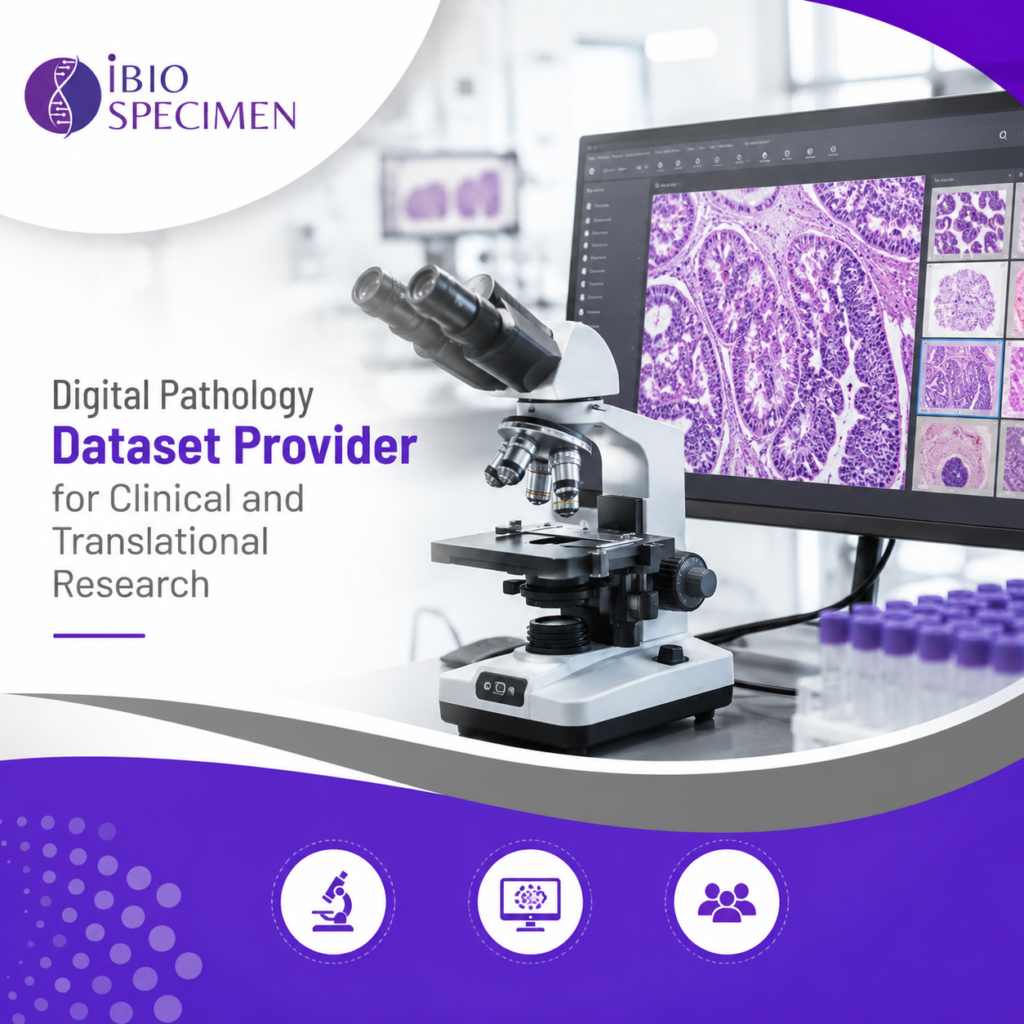
A trusted digital pathology dataset provider supports clinical and translational research by delivering access to comprehensive pathology image collections and associated research data. These datasets help bridge the gap between laboratory discoveries and clinical applications by providing researchers with valuable insights into disease mechanisms, treatment responses, and patient outcomes. Digital pathology datasets typically include whole slide images, tissue microarrays, pathology annotations, and de-identified clinical information that facilitate advanced image analysis and biomarker discovery. Researchers use these resources to investigate disease progression, identify therapeutic targets, and develop precision medicine strategies across multiple therapeutic areas.
Clinical and translational research programs benefit significantly from access to diverse and well-characterized pathology datasets. A reliable dataset provider ensures data quality, standardization, and regulatory compliance while offering flexible licensing options tailored to specific research needs. Digital pathology data supports the validation of diagnostic assays, evaluation of treatment efficacy, and development of predictive models that can improve patient care. By providing access to large-scale pathology image repositories, dataset providers empower pharmaceutical companies, academic institutions, contract research organizations, and biotechnology firms to conduct high-impact research. These resources accelerate scientific discovery and facilitate the translation of research findings into real-world clinical solutions.
Digital Pathology Data Licensing for Pharmaceutical and Biotech Research
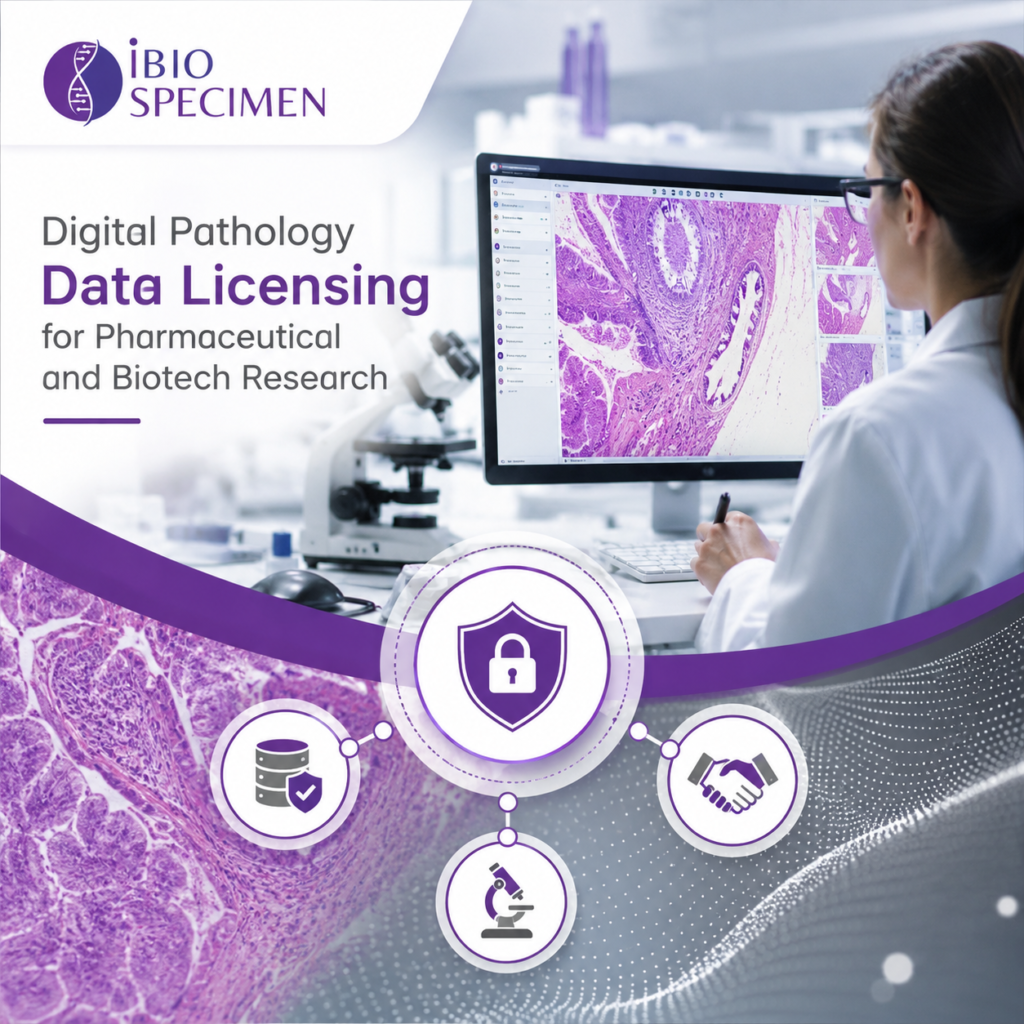
Digital pathology data licensing is becoming increasingly important for pharmaceutical and biotechnology research organizations seeking to accelerate drug development and precision medicine initiatives. Licensed pathology datasets provide access to high-resolution tissue images, histopathological evaluations, biomarker information, and associated clinical metadata that support a wide range of research applications. Pharmaceutical companies utilize these datasets for target identification, biomarker validation, patient stratification, and therapeutic response assessment. The integration of digital pathology data into research workflows enhances the ability to analyze disease pathology, identify treatment opportunities, and optimize clinical trial strategies.
For biotechnology companies developing AI-powered diagnostic tools and advanced analytical platforms, access to licensed digital pathology data is essential for algorithm training and validation. Comprehensive datasets enable researchers to build accurate predictive models, evaluate disease patterns, and improve image-based diagnostic performance. Flexible licensing solutions allow organizations to obtain disease-specific or project-specific datasets while ensuring compliance with privacy regulations and ethical standards. As the demand for data-driven healthcare innovation continues to grow, digital pathology data licensing provides pharmaceutical and biotech researchers with the resources needed to support scientific breakthroughs, reduce development costs, and bring innovative therapies and diagnostic solutions to market more efficiently.
The rapid advancement of artificial intelligence, machine learning, and computational pathology has significantly increased the demand for high-quality digital pathology datasets. Research institutions, biotechnology companies, pharmaceutical organizations, and AI developers require access to well-curated pathology image repositories to train, validate, and optimize predictive algorithms. Digital pathology dataset licensing provides a legal and efficient pathway for accessing large-scale pathology data while ensuring compliance with ethical, regulatory, and research requirements. Licensed pathology datasets enable researchers to accelerate biomarker discovery, disease classification, drug development, and diagnostic innovation. Whether supporting cancer research, rare disease studies, or AI-powered pathology solutions, professionally licensed datasets deliver reliable and scalable resources for modern scientific advancement.
Pathology image dataset licensing offers organizations access to comprehensive collections of digitized pathology images for research and commercial use. These datasets often include whole slide images (WSIs), tissue microarrays, histology scans, and pathology annotations generated by experienced pathologists. By utilizing licensed pathology image collections, organizations can reduce the time and cost associated with independent data acquisition. Researchers gain access to standardized, high- quality datasets that support reproducible studies, algorithm validation, and multicenter research initiatives. Proper licensing agreements also ensure ethical data usage, intellectual property protection, and compliance with applicable regulations.
Artificial intelligence systems require vast amounts of training data to achieve high levels of diagnostic accuracy. Digital pathology datasets for AI provide structured image repositories that support the development of advanced computational models capable of identifying disease patterns, tissue abnormalities, and cellular characteristics. AI developers rely on pathology datasets for machine learning to build predictive algorithms for cancer detection, tumor grading, biomarker analysis, and treatment response prediction. Access to diverse and representative datasets helps reduce bias while improving model generalizability across different patient populations and clinical environments. High-quality pathology AI development datasets are becoming essential resources for organizations seeking to commercialize AI-driven diagnostic tools and precision medicine solutions.
Licensed pathology datasets provide valuable insights into disease mechanisms, therapeutic targets, and treatment outcomes. These datasets enable researchers to evaluate tissue morphology, monitor disease progression, and identify predictive biomarkers that may influence clinical trial success. Pathology data licensing services also facilitate access to specialized disease cohorts, enabling targeted investigations across oncology, immunology, neurology, and infectious disease research. By partnering with trusted providers, organizations gain secure access to high-quality pathology data while maintaining compliance with research governance standards.
Histopathology image datasets are critical components of modern precision medicine initiatives. These datasets contain digitized microscopic images of tissue samples collected from various disease conditions, including cancer, inflammatory disorders, and rare diseases. Researchers use licensed histopathology images to investigate disease biology, validate biomarkers, and develop personalized treatment strategies. Advanced image analysis techniques can extract valuable information from histopathology datasets, helping scientists uncover subtle tissue characteristics that may not be readily visible through conventional examination methods. The growing availability of large-scale histopathology image datasets is accelerating innovation across diagnostic pathology and personalized healthcare.
Annotated pathology datasets provide exceptional value for machine learning and deep learning projects. These datasets include expert-reviewed labels, segmentation masks, region-of-interest annotations, and diagnostic classifications that enhance algorithm training performance. The quality of annotations directly influences AI model accuracy. Detailed pathology annotations help machine learning systems recognize tissue structures, identify pathological abnormalities, and classify disease states with greater precision. Organizations developing computer vision models for pathology frequently prioritize annotated pathology datasets because they reduce manual labeling requirements and accelerate development timelines.
Pathology image licensing supports both commercial innovation and academic research by providing authorized access to digital pathology resources. Organizations can license images for algorithm training, software validation, educational programs, publication support, and scientific investigations.
Proper pathology image licensing agreements clearly define permitted uses, data security requirements, and intellectual property considerations. This structured approach ensures that pathology images can be used responsibly while protecting patient privacy and institutional interests.
As digital pathology adoption continues to expand globally, image licensing remains a foundational component of ethical data sharing practices.
AI training pathology datasets serve as the foundation for computational pathology development. These datasets enable machine learning models to learn complex relationships between tissue morphology and disease outcomes.
Developers use AI training pathology datasets to build systems capable of automating tissue classification, tumor detection, biomarker quantification, and prognostic assessment. Access to large and diverse datasets improves algorithm robustness while supporting regulatory validation efforts.
Organizations seeking to develop clinically relevant AI tools require carefully curated datasets that accurately represent real-world pathology scenarios and diagnostic challenges.
Whole slide image datasets provide high-resolution digital representations of complete pathology slides. These datasets preserve detailed tissue architecture, enabling researchers to conduct comprehensive image analysis without physical slide handling.
Whole slide images are widely used for AI development, pathology education, telepathology, and collaborative research initiatives. Their ability to capture extensive tissue information makes them ideal for training sophisticated machine learning models and supporting large-scale computational studies.
Licensed whole slide image datasets often include multiple disease categories, staining techniques, and clinical metadata that enhance research value.
Pathology datasets for machine learning support a wide range of research applications, from disease classification to predictive analytics. These datasets provide the structured data necessary for training supervised, unsupervised, and deep learning algorithms.
Machine learning models developed using pathology datasets can assist pathologists in diagnostic decision-making, improve workflow efficiency, and enhance clinical outcomes. Access to diverse pathology datasets helps developers create robust systems capable of performing effectively across various healthcare environments.
As machine learning adoption increases, demand for high-quality pathology datasets continues to grow across research and commercial sectors.
A trusted digital pathology data provider plays a crucial role in connecting researchers with high-quality pathology resources. Reliable providers offer access to curated datasets, pathology images, clinical metadata, and annotation services tailored to specific research requirements.
Working with an experienced digital pathology data provider helps organizations streamline procurement processes, ensure regulatory compliance, and obtain datasets that align with project objectives. Providers often support customized dataset creation, enabling researchers to access disease-specific cohorts and specialized image collections.
Quality, transparency, and scientific integrity remain key considerations when selecting a pathology data partner.
Pathology research datasets contribute significantly to biomedical innovation by supporting exploratory studies, biomarker discovery, and translational research initiatives. These datasets provide researchers with access to valuable tissue-based information that can generate new insights into disease mechanisms.
Pathology research datasets are commonly used in oncology, immunology, neuroscience, cardiovascular research, and infectious disease investigations. Access to diverse datasets enables scientists to perform comprehensive analyses while validating findings across multiple patient populations.
The increasing availability of licensed pathology datasets is accelerating the pace of scientific discovery worldwide.
Licensed pathology image collections offer comprehensive repositories of digital pathology images that support healthcare innovation. These collections may include thousands of images spanning multiple disease indications, tissue types, and staining protocols.
Researchers utilize licensed pathology image collections for algorithm training, pathology education, image analysis validation, and multicenter studies. Access to extensive image repositories helps improve research efficiency while supporting reproducibility and data standardization.
As healthcare becomes increasingly data-driven, licensed pathology image collections provide essential resources for next-generation diagnostic development.
Pathology AI development datasets enable organizations to create intelligent diagnostic solutions capable of transforming patient care. These datasets provide the foundational training material required for developing advanced image analysis algorithms and predictive models.
AI-powered pathology systems can assist with cancer detection, grading, classification, and workflow optimization. High-quality development datasets improve model performance while supporting regulatory submissions and clinical implementation efforts.
Organizations investing in pathology AI development rely heavily on comprehensive datasets that reflect real-world clinical diversity and diagnostic complexity.
Digital pathology data procurement involves the strategic acquisition of pathology datasets that meet specific research and development requirements. A trusted pathology dataset supplier can provide access to curated image repositories, annotated datasets, and specialized disease cohorts.
Efficient pathology dataset procurement ensures organizations obtain the necessary resources without delays, enabling faster project execution and improved research outcomes. Suppliers often offer flexible licensing models that accommodate academic, commercial, and collaborative research initiatives.
Selecting an experienced pathology dataset supplier helps maximize data quality, regulatory compliance, and scientific value.
A professional pathology image data provider offers access to licensed histopathology images that support a wide range of biomedical research applications. These images can be used for AI development, pathology education, biomarker studies, and diagnostic validation projects.
Licensed histopathology images provide researchers with legally authorized access to valuable pathology resources while ensuring compliance with privacy and ethical standards. High-resolution images, expert annotations, and associated metadata significantly enhance dataset utility and research outcomes.
Organizations seeking to buy pathology datasets should prioritize quality, annotation accuracy, disease diversity, and licensing transparency when selecting a pathology image data provider.
Organizations looking to buy pathology datasets require reliable partners capable of delivering high-quality, research-ready resources. Trusted providers offer curated datasets, comprehensive annotations, pathology image licensing options, and customized procurement services tailored to project objectives.
Whether supporting pharmaceutical development, academic research, or AI innovation, licensed pathology datasets provide the foundation for data-driven scientific progress. By investing in quality pathology resources, organizations can accelerate discoveries, improve diagnostic capabilities, and contribute to the future of precision medicine.
Digital pathology dataset licensing continues to play a critical role in advancing healthcare innovation, enabling researchers and AI developers to unlock new possibilities in disease detection, treatment development, and patient care.